Comparison
Tennis vs pickleball: what a tennis background is actually worth
The first pickleball session flatters a tennis player and the second one does not. Here is why, and which habits you have to unlearn.
By Janet H.Updated
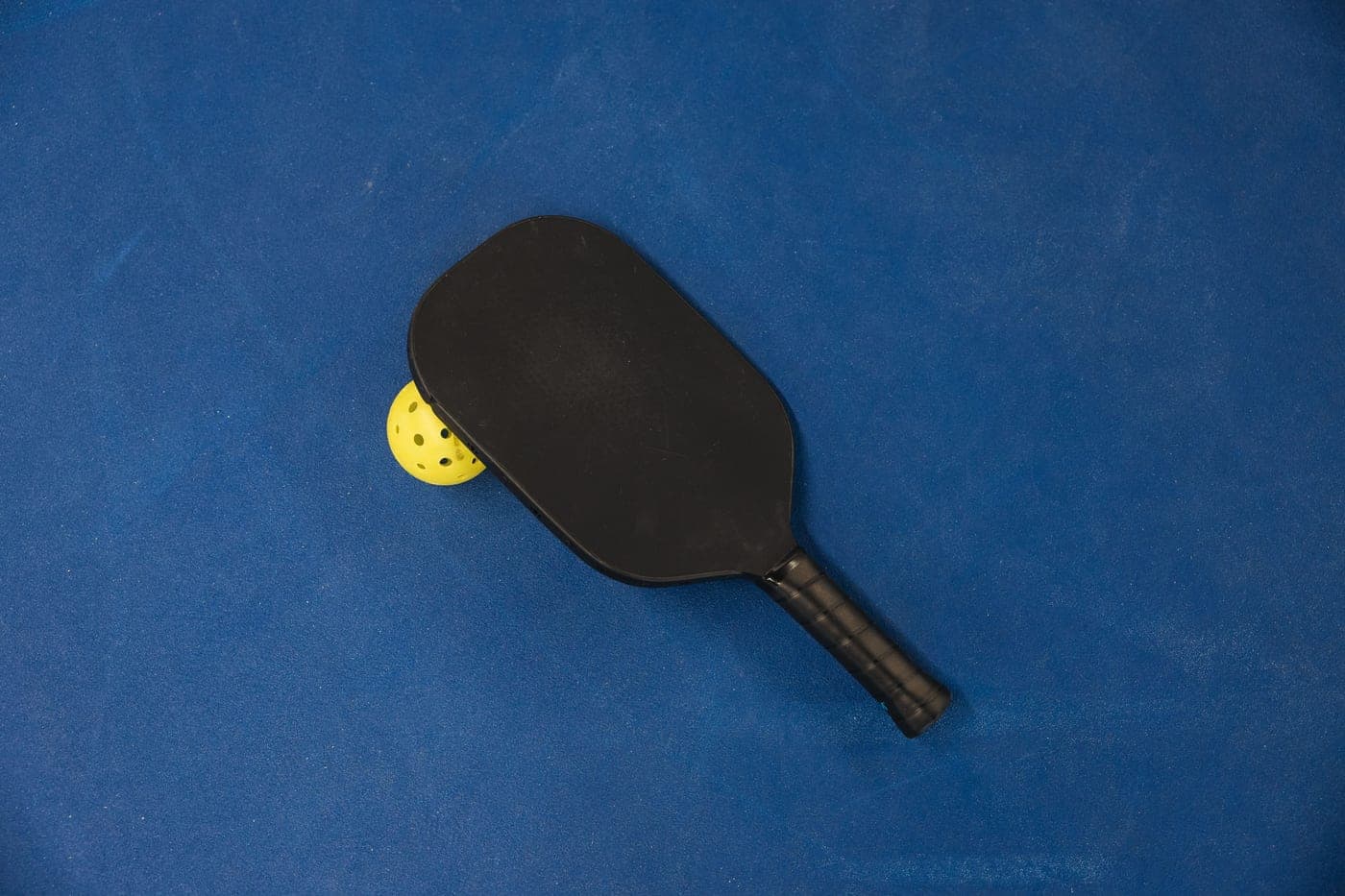
The short answer
A pickleball court is 20 ft by 44 ft against a tennis singles court's 23.77 m by 8.23 m, and pickleball adds a seven-foot no-volley zone at the net. Your tennis volley, overhead and court sense transfer directly; your full groundstroke swing does not, and unlearning it is what takes months.
Disclosure — we earn a commission on qualifying purchases made through links on this page, at no extra cost to you. It never changes which product we rank first. How this site is funded.
Our picks
| # | Product | Best for | Score | Price |
|---|---|---|---|---|
| 1 |  HEAD Radical EliteBest for converts | A tennis player's first paddle | 8.44 criteria | |
| 2 | JOOLA Ben Johns Hyperion CFS 16Best elongated option | Two-handed backhands | 8.54 criteria | |
| 3 | 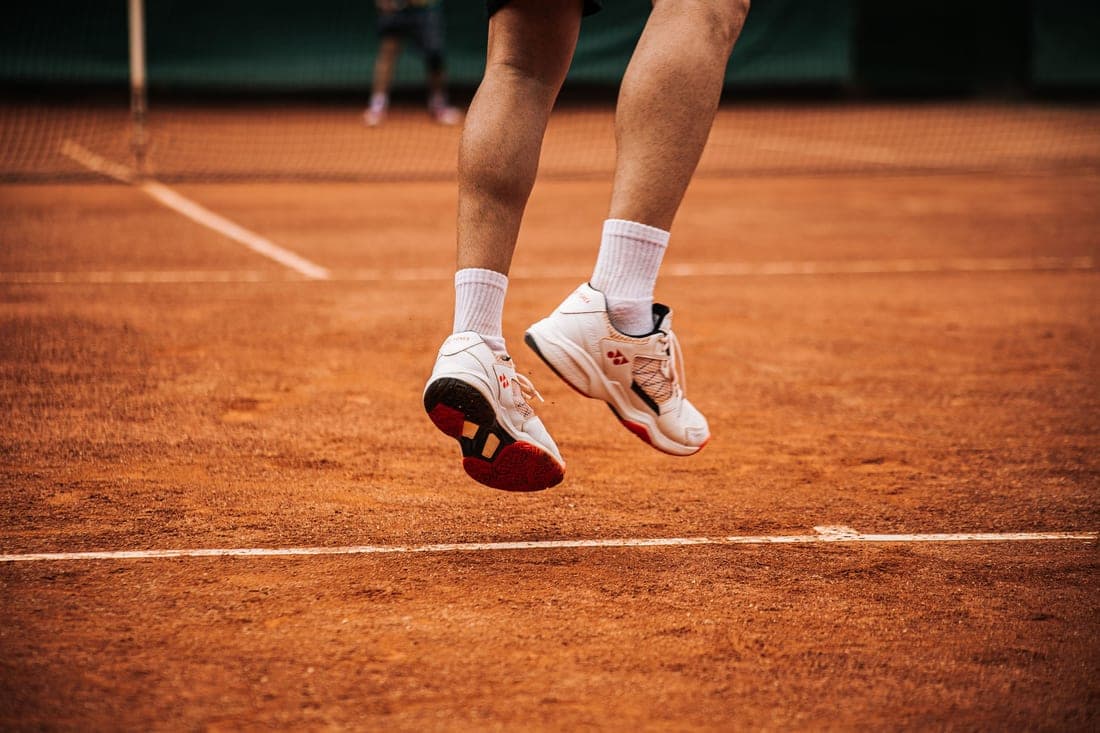 ASICS Court FF 3Best shoes for both | Footwear for both sports | 8.74 criteria |
The picks in detail
01HEAD Radical Elite
Best for convertsBest for: A tennis player's first paddle
PickleballUS name this the best starter paddle for anyone bringing racquet-sport experience to pickleball, describing its graphite face as a familiar feel coming off a tennis racket.
At 7.8 oz with a 13 mm core it is firm and direct. That is deliberate: a thick 16 mm control core absorbs pace, which feels dead to a player who already knows how to swing.
It is a standard shape, so you do not get extra reach. If reach is what you miss, the JOOLA below is the elongated answer.
Our score
- Performance
- 8.5
- Comfort
- 7.5
- Durability
- 8.0
- Value
- 9.0
- Overall
- 8.4
Verified specs
- PickleballUS award
- Best for Tennis Players Converting
- Weight
- 7.8 oz
- Core
- 13 mm
- Face
- Graphite
- Shape
- Standard
Specs as published by PickleballUS, checked September 2026.
Buy if
- You have a developed tennis swing
- You want a firm, direct response
- You want a low-cost entry
Pass if
- You hit a two-handed backhand
- You want maximum control
- You want an elongated shape
02JOOLA Ben Johns Hyperion CFS 16
Best elongated optionBest for: Two-handed backhands
An elongated shape with a 5.5-inch handle on a 16 mm core, with a Carbon Friction face, at 8.0 to 8.4 oz.
The handle length is the whole reason it is here. A two-handed backhand is the single thing tennis players miss most in pickleball, and most budget paddles ship 4.25-inch handles that make it impossible.
The 16 mm core is softer than the HEAD, so your drives will feel less immediate — which is the correct medicine for a tennis player whose problem is hitting out.
Our score
- Performance
- 9.0
- Comfort
- 8.0
- Durability
- 8.5
- Value
- 7.5
- Overall
- 8.5
Verified specs
- PickleballUS award
- Best Overall for beginners moving up
- Weight
- 8.0-8.4 oz
- Core
- 16 mm
- Face
- Carbon Friction
- Handle
- 5.5 in
- Shape
- Elongated
Specs as published by PickleballUS, checked September 2026.
Buy if
- You hit a two-handed backhand
- You want reach on the stretch
- You are committed to the sport
Pass if
- You want the cheapest entry
- You want a firm, immediate response
- You want maximum forgiveness
03ASICS Court FF 3
Best shoes for bothBest for: Footwear for both sports
Here is the good news on gear: your tennis shoes are the correct pickleball shoes. Both sports are played on hard courts with short, sharp lateral movement and hard stops.
RunRepeat score the Court FF 3 at 93, the highest in their hard-court set, with an 85.3 HC outsole and the widest forefoot they have measured at 101.8 mm.
Do not switch to running shoes because the court is smaller. A smaller court means more direction changes per minute, not fewer.
Our score
- Performance
- 9.0
- Comfort
- 8.5
- Durability
- 8.5
- Value
- 8.0
- Overall
- 8.7
Verified specs
- RunRepeat score
- 93 — Best Overall, hard court
- Heel stack
- 28.8 mm
- Forefoot stack
- 20.6 mm
- Toebox width (widest)
- 101.8 mm
- Outsole hardness
- 85.3 HC
- Dremel wear
- 0.4 mm cavity
Specs as published by RunRepeat, checked September 2026.
Buy if
- You play both sports
- You want one shoe that covers both
- You have a wider forefoot
Pass if
- You want an outsole warranty
- You want the lightest shoe
- You play padel too — that needs a different sole
The numbers
| Tennis | Pickleball | |
|---|---|---|
| Court (doubles) | 23.77 m x 10.97 m | 20 ft x 44 ft (6.1 m x 13.4 m) |
| Court (singles) | 23.77 m x 8.23 m | Same as doubles |
| Net height (center) | 0.914 m at posts, lower at center | 34 in (86 cm) |
| No-volley zone | None | 7 ft from the net, each side |
| Scoring | Games, sets, 15/30/40 | To 11, win by 2, side-out |
| Serve | Overhead, two attempts | Underhand, one attempt |
| Implement | Strung racket, roughly 250-350 g | Solid paddle, max 24 in combined |
The court area comparison is the one to hold onto: a pickleball court is about a third of the area of a tennis doubles court, and both players on a side cover it. There is very little running.
What transfers
- The volley. Almost completely. A pickleball volley is a tennis volley over a shorter distance, and tennis players arrive with better hands than almost anyone else at a club level.
- The overhead. A pickleball smash is a compressed overhead. If you can hit one, you can hit the other.
- Doubles positioning. The geometry of covering a court in pairs is broadly the same, and tennis players read it faster than newcomers.
- Reaction and footwork. Split-stepping and reacting to a struck ball is a general racquet-sport skill and it comes with you.
What actively works against you
- 01The full swing. The court is a third the size and the ball is hard perforated plastic that does not compress like a felt ball. A committed tennis groundstroke lands beyond the baseline.
- 02Wanting to finish points. In tennis, a short ball is an invitation. In pickleball, driving a ball at a team standing at the kitchen line usually gives them a volley they can put away.
- 03Staying back. The baseline is a viable home in tennis. In pickleball the team at the net wins, and getting there is the entire strategic objective.
- 04The serve. Underhand only, one attempt, contact below the waist. A tennis serve is not merely unhelpful here — it is a fault.
- 05Volleying in the kitchen. The no-volley zone has no tennis equivalent and it takes a month to become automatic.
Gear consequences
Shoes carry over completely: hard-court or all-court tennis shoes are the standard recommendation for pickleball, and RunRepeat's measured data applies directly.
The paddle does not carry over from anything — you have to buy one. The specifications worth filtering on as a tennis player are a 5.5-inch handle if you hit a two-handed backhand, an elongated shape for reach, and a grippy carbon or textured face so your existing brushing motion produces spin. Best paddles for tennis players has the full list.
Balls do not carry over at all. Pickleball uses a hard perforated plastic ball with between 26 and 40 holes weighing under an ounce — nothing like a tennis ball.
Will pickleball ruin your tennis?
The common complaint is that the shortened pickleball stroke bleeds into the tennis forehand, which is plausible enough that plenty of players who take both seriously keep sessions on separate days rather than alternating within one.
What genuinely improves is hands and reaction at the net. Pickleball's kitchen exchanges are a volley drill you happen to enjoy, and tennis players who play both usually volley better for it.
Common questions
Is pickleball easier than tennis?
Considerably. A pickleball court is about a third of the area of a tennis doubles court, the ball moves slowly, the paddle is light, and the serve is underhand. Most people can rally in their first session.
Do tennis skills transfer to pickleball?
The volley, the overhead, doubles positioning and reaction speed transfer almost directly. The full groundstroke swing does not — the court is too small and the ball does not compress the way a tennis ball does.
What is the kitchen in pickleball?
The non-volley zone: a strip seven feet from the net on each side, inside which you cannot volley the ball. It forces play into a soft dinking exchange and has no tennis equivalent.
Can I use my tennis shoes for pickleball?
Yes, and you should. Both sports involve short lateral bursts with hard stops on hard courts. Hard-court or all-court tennis shoes are the standard pickleball recommendation.
Will playing pickleball hurt my tennis?
The usual complaint is the shortened pickleball stroke bleeding into the tennis forehand. What improves is net play — pickleball's kitchen exchanges are effectively a volley drill.
Read next
Sources
- 01Wikipedia — Pickleball
- 02the LTA — Tennis vs badminton (tennis court dimensions)
- 03PickleballUS — Best Pickleball Paddles for Beginners
- 04RunRepeat — Best Hard Court Tennis Shoes
Every source above was retrieved while writing this page. Specifications are quoted from the listing or manufacturer page cited, not from memory.