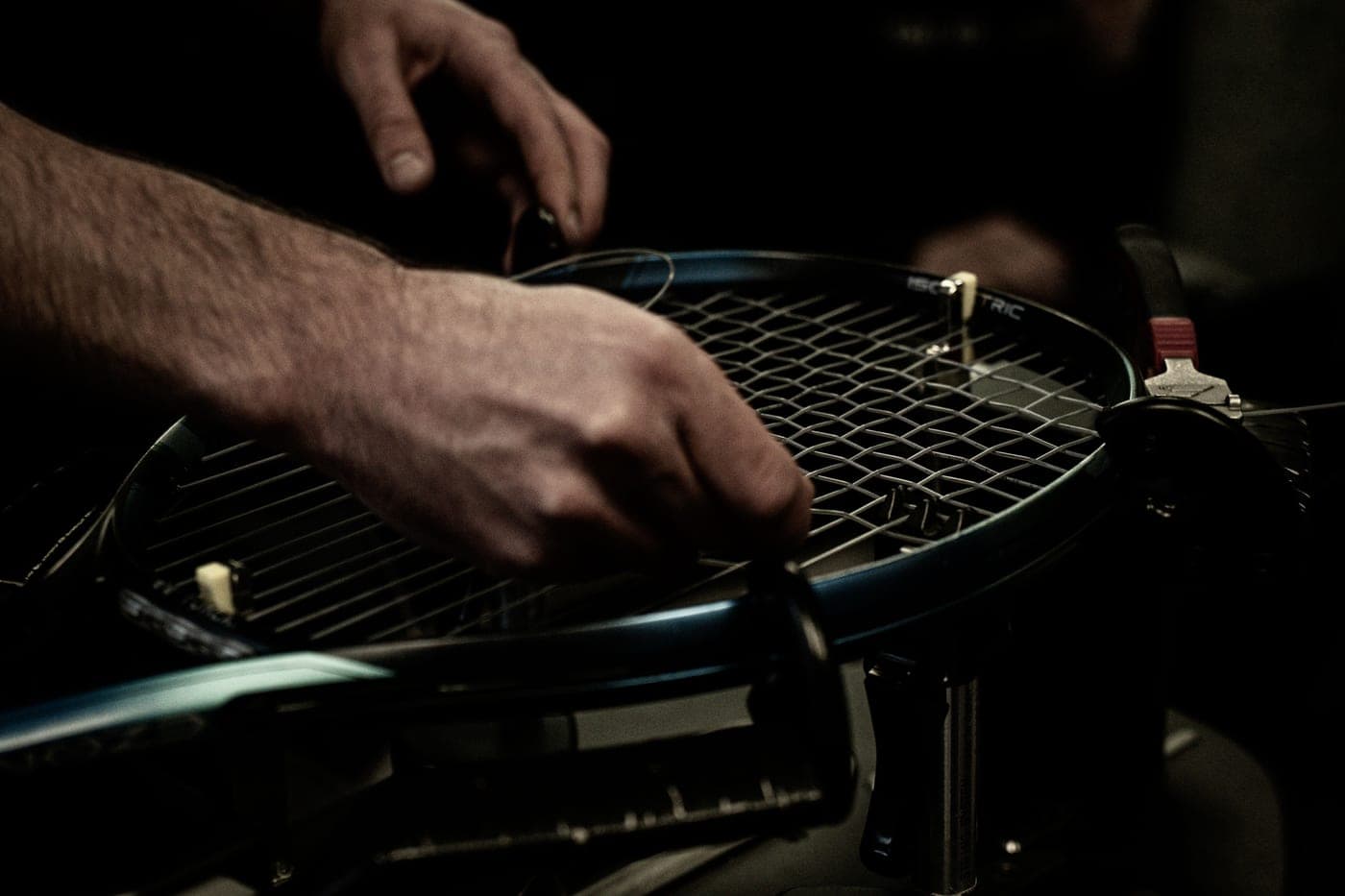
Best strings for beginners
Best tennis strings for beginners in 2026
Synthetic gut, multifilament, and the one string type a beginner should not buy yet.
Top pick: Prince Synthetic Gut Duraflex
Strings, Grips & Bags
A $20 string change alters how your racket plays more than a $300 frame change does. This is the part of the sport where small money buys real difference.
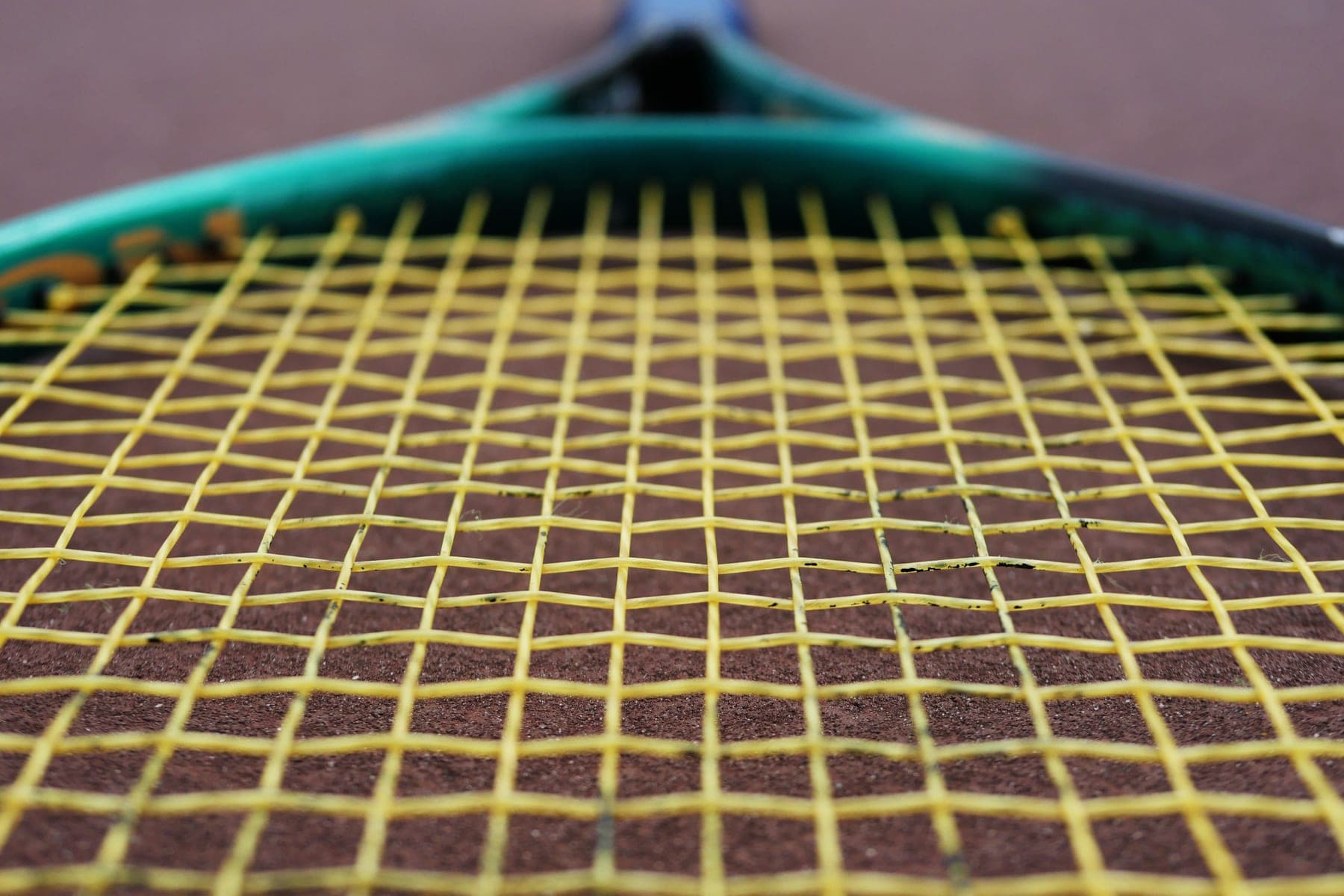
Here is the thing almost nobody tells a club player: the string in your racket has more influence on how the frame plays than the frame does. Swap a stiff polyester for a soft multifilament at the same tension and the same racket becomes a different racket — more power, more comfort, less control, noticeably kinder to your elbow.
String is also the cheapest thing in the sport to experiment with. Tennis Warehouse lists their value pick, Prince Synthetic Gut Duraflex, at $4.76 a set. You can try four completely different setups for less than the cost of one overgrip habit.
Best strings for beginners
Synthetic gut, multifilament, and the one string type a beginner should not buy yet.
Top pick: Prince Synthetic Gut Duraflex

Best strings for intermediate
Choose by how fast you break strings, not by your level — with the hybrid that suits most players.
Top pick: Solinco Hyper-G
Best strings for tennis elbow
The cheapest comfort intervention in the sport, in the right order — string, tension, grip, frame.
Top pick: Wilson NXT

Best tennis balls
Extra duty or regular duty, which balls hold bounce, and the surface rule people get backward.
Top pick: Wilson US Open
Best overgrips
Tacky or dry is the whole decision — and it is decided by your hands, not your level.
Top pick: Yonex Super Grap
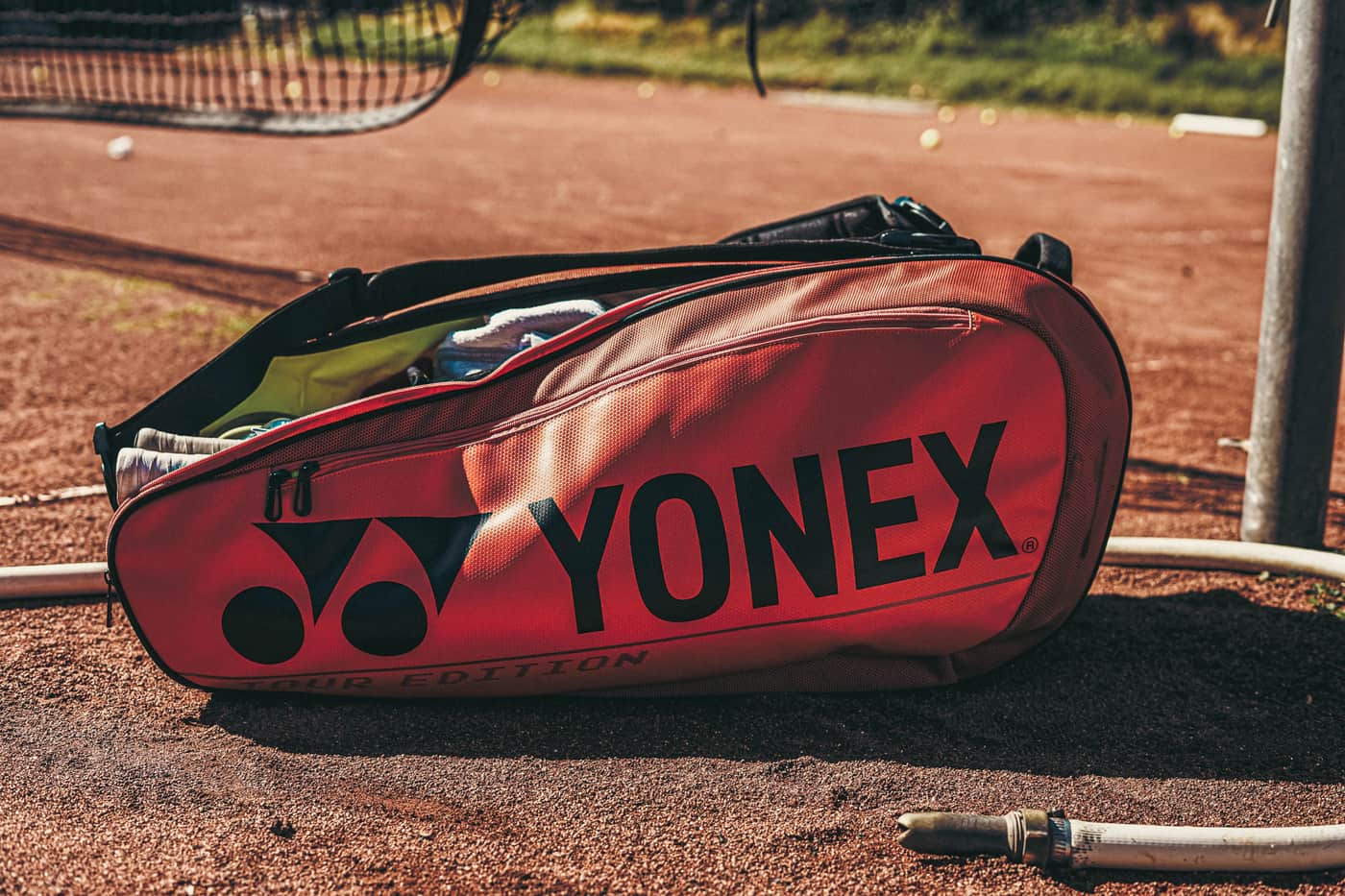
Best tennis bags
What each size actually holds, where the price difference goes, and when thermal lining matters.
Top pick: Wilson Tour 6-Pack

Best gifts for tennis players
Written for people who do not play — buy consumables, not equipment, and here is why.
Top pick: Yonex Super Grap

Best gifts under $50
Consumables only, so nothing can be the wrong size — grips, balls and string under $50.
Top pick: Yonex Super Grap
| Type | Feel | Buy it for | Trade-off |
|---|---|---|---|
| Synthetic gut | Neutral, springy | A first restring, value | Loses tension quickly |
| Multifilament | Soft, powerful | Comfort and arm health | Frays and breaks sooner |
| Polyester | Firm, controlled | Heavy spin, big swings | Harsh on the arm |
| Natural gut | Best of everything | Feel, at a price | Expensive, weather sensitive |
Tennis Warehouse's category picks map cleanly onto that: Prince Synthetic Gut Duraflex for all-around value, Wilson NXT as the comfort multifilament, Solinco Hyper-G for control polyester, Luxilon ALU Power as the reference polyester. Our own recommendation for anyone under about a 4.0 level is simple — do not use a full polyester bed yet. It rewards a swing you may not have built, and it punishes the elbow if you have not.
Roundups: strings for beginners, strings for intermediate players, and strings for tennis elbow. If you want to understand the numbers first, read string tension and string gauge.
Extra duty felt is woven more densely to survive abrasive hard courts; regular duty is thinner and is the right choice on clay and indoors, where extra duty fluffs up and slows down. Getting this backward is the most common equipment error in club tennis and it costs you a can every session.
The Tennis Tribe rates the Wilson US Open as best overall on bounce retention and Penn Championship as the value option, while noting plainly that the Championship goes flat faster. That trade is fine for basket feeding and wrong for a match. Details on the tennis balls page.
Overgrips split into two families and the right one depends on your hands, not on your level. Tacky grips — Wilson Pro Overgrip, Yonex Super Grap — stick to dry skin and are the default in cool or indoor conditions. Dry grips — Tourna Grip Original — absorb sweat and get better as your hand gets wetter, which is why they are ubiquitous in humid outdoor play.
If you are between grip sizes, note that Tennis Warehouse describes the Wilson Pro Overgrip as thin specifically to keep grip size minimal. That is a real consideration — see grip size. All the options are on the overgrips page.
Bag capacity is quoted in racquets and it is optimistic. A six-pack realistically carries two frames, a pair of shoes, a towel and a change of clothes — which is what a club player actually needs. Tennis Warehouse's six-pack range runs from $49.99 to about $149. The tennis bags page explains where the price difference goes.
Buying for someone else? Gear is the safest category to gift because it does not depend on getting their level right. We wrote gifts for tennis players and racquet sports gifts under $50 specifically for people who do not play and are shopping for someone who does.
The standard rule of thumb is as many times a year as you play in a week. It is rough but directionally right: strings lose tension continuously, not only when they break.
For how the ball comes off the face, frequently yes. A racket sets the mass and stability; the string sets the power, comfort and spin response. Changing string is also about a tenth of the cost.
A replacement grip is the thicker base layer wrapped directly onto the handle. An overgrip goes on top of it, adds roughly half a size, and is meant to be changed often.
Extra duty on hard courts, regular duty on clay and indoors. Extra duty felt is denser to survive abrasion; on clay that same felt picks up material and fluffs up quickly.
Every source above was retrieved while writing this page. Specifications are quoted from the listing or manufacturer page cited, not from memory.