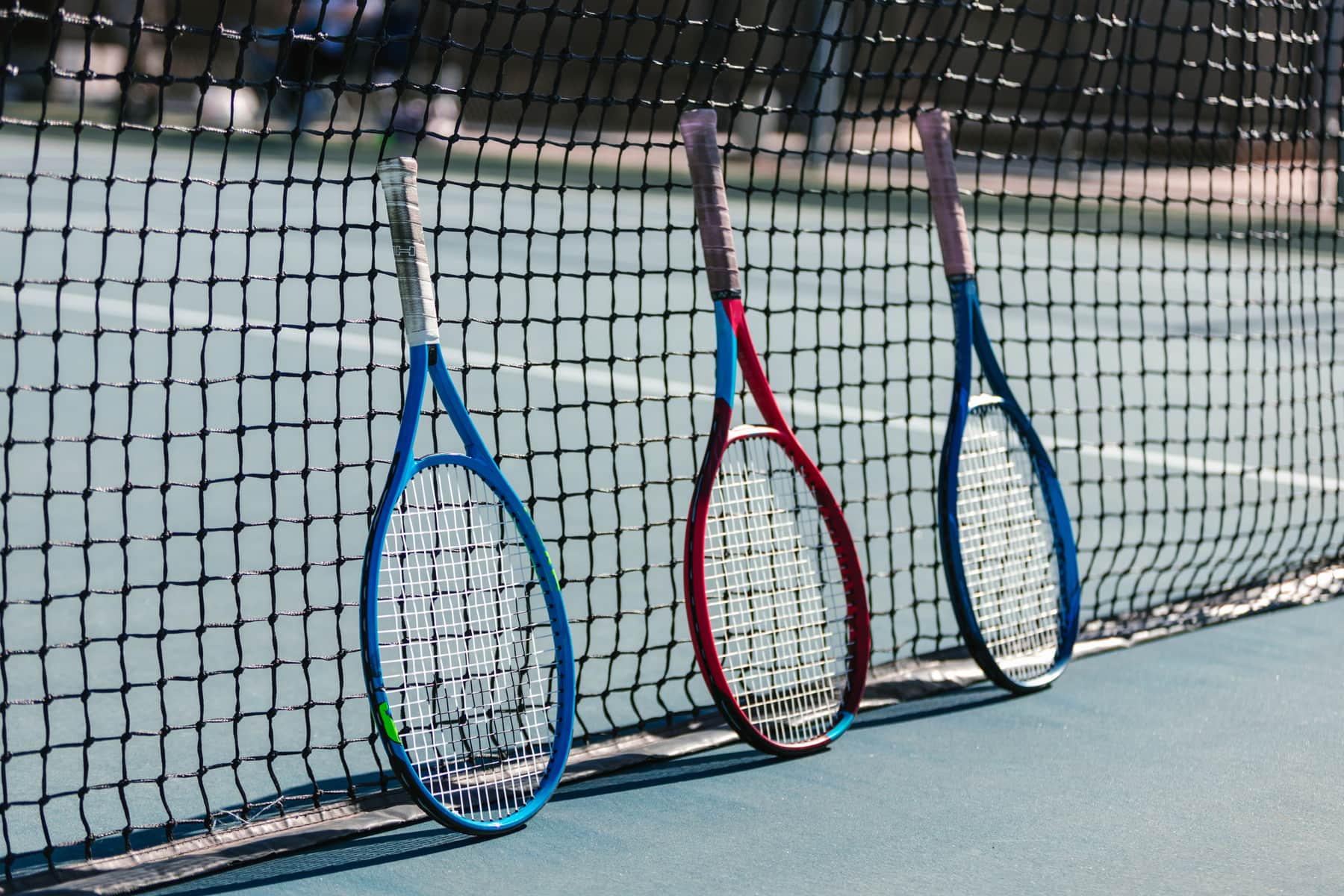
Best for beginners
Best tennis rackets for beginners in 2026
Large heads, low swingweights and soft beams — the five frames that make a first year easier.
Top pick: Wilson Clash 100 v3
Tennis Rackets
Head size, weight and swingweight decide whether a frame helps you or fights you. Here is how those three numbers map onto beginner, intermediate and club play — and which frames sit in each band.
Almost every racket guide online is organized by brand or by what the professionals endorse. That is a useful way to sell frames and a bad way to buy one. The single biggest predictor of whether a racket will improve your tennis is not the logo on the throat — it is whether its swingweight matches the racket-head speed you can currently generate, and whether its head size gives you enough margin for the contact point you actually hit.
So we sort by level first. Below you will find a roundup for each band, plus the constraint pages — elbow pain, a hard budget ceiling, lighter frames, junior lengths — that cut across all three. If you are not sure which band you are in, start with our skill levels page; it defines the bands in terms of what happens in your rallies, not in terms of a rating you may not have.
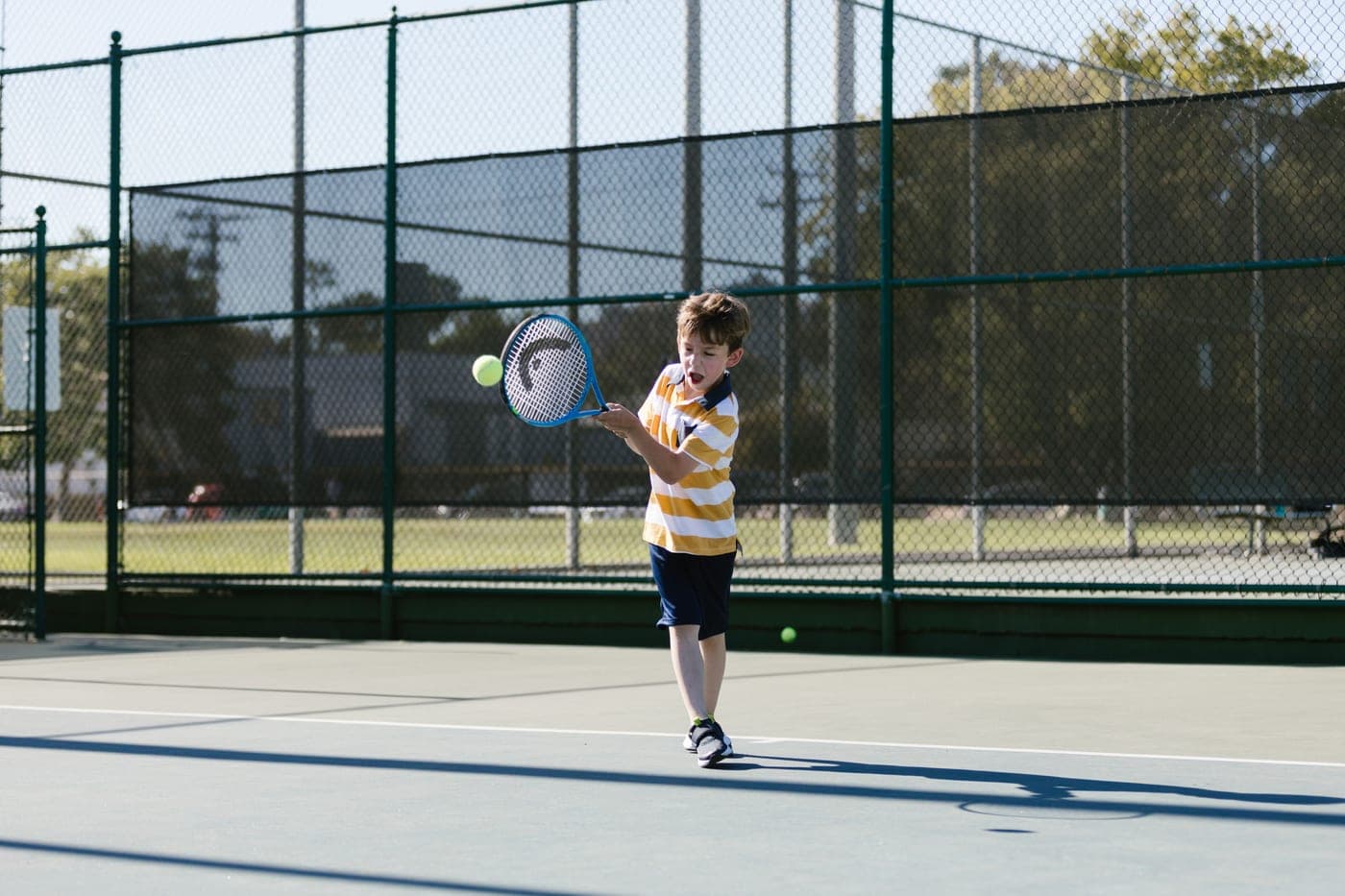
Best for beginners
Large heads, low swingweights and soft beams — the five frames that make a first year easier.
Top pick: Wilson Clash 100 v3
Best for intermediate
The 300-320 g band, sorted by the problem each frame solves — depth, control, spin or comfort.
Top pick: Yonex EZONE 100 (2025)

Best for advanced & club
Thin beams, tight patterns and high swingweights — the competitive-club band, explained.
Top pick: Wilson Blade 98 16x19 v10
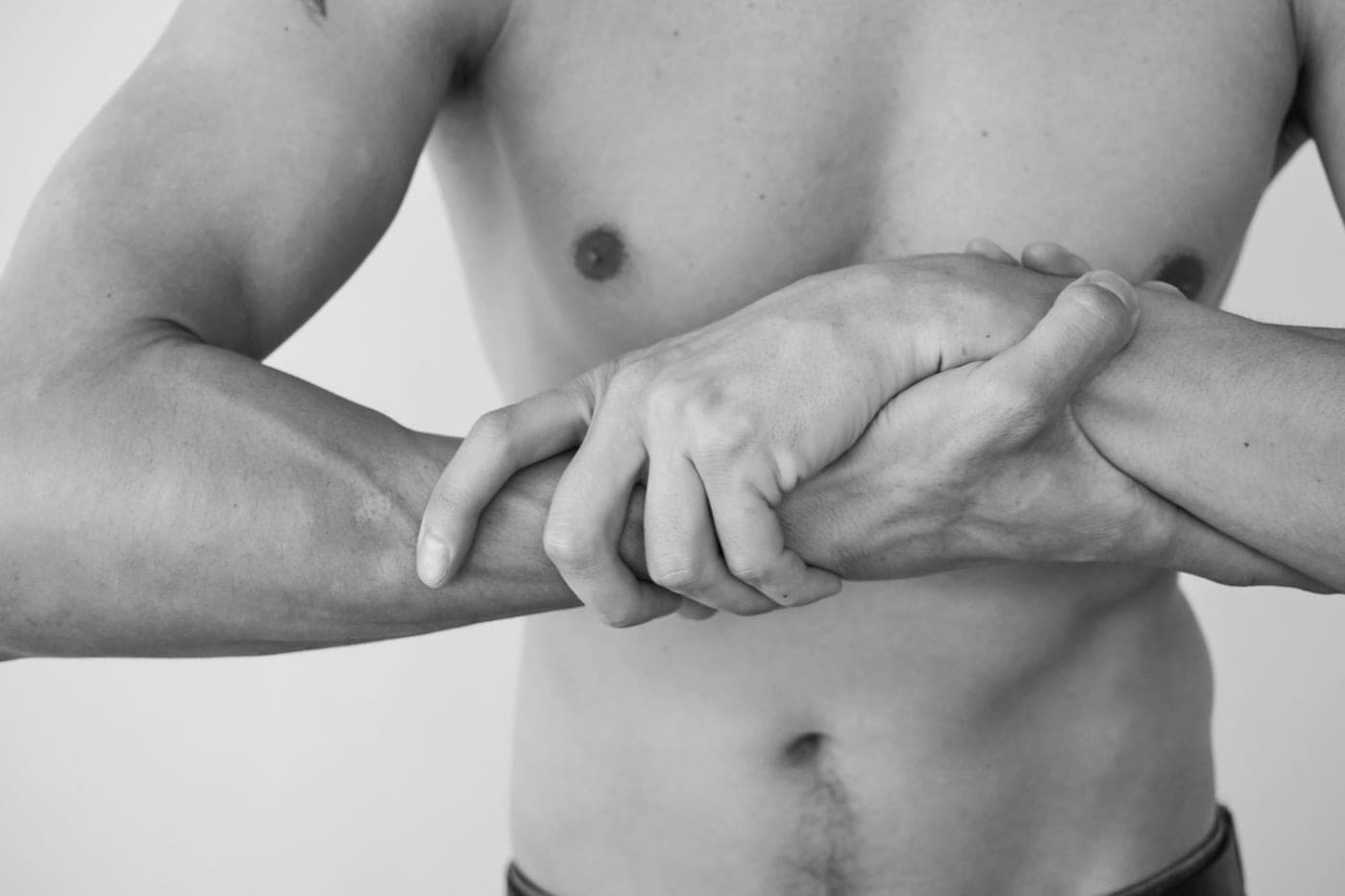
Best for tennis elbow
Flex, damping, isolation and ports — four engineering routes to a frame your arm tolerates.
Top pick: Wilson Clash 100 v3
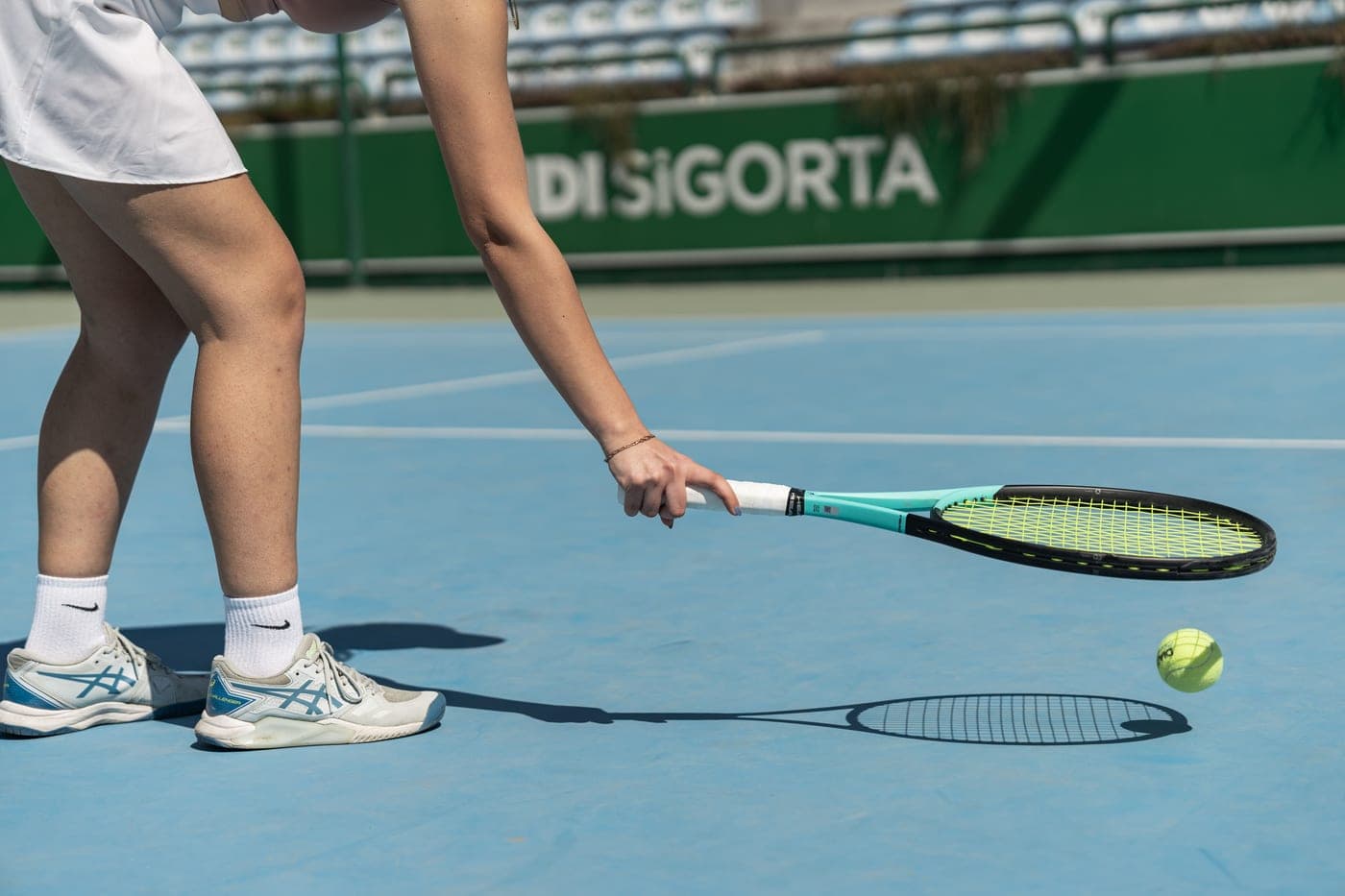
Best lightweight frames
Lighter frames that are still real rackets — plus why grip size matters more than the weight.
Top pick: HEAD Speed MP UL 2026
Best for juniors & teens
Length is the whole decision. The height chart, the frames at each rung, and the jump to adult.
Top pick: Babolat Pure Drive Junior 26 in
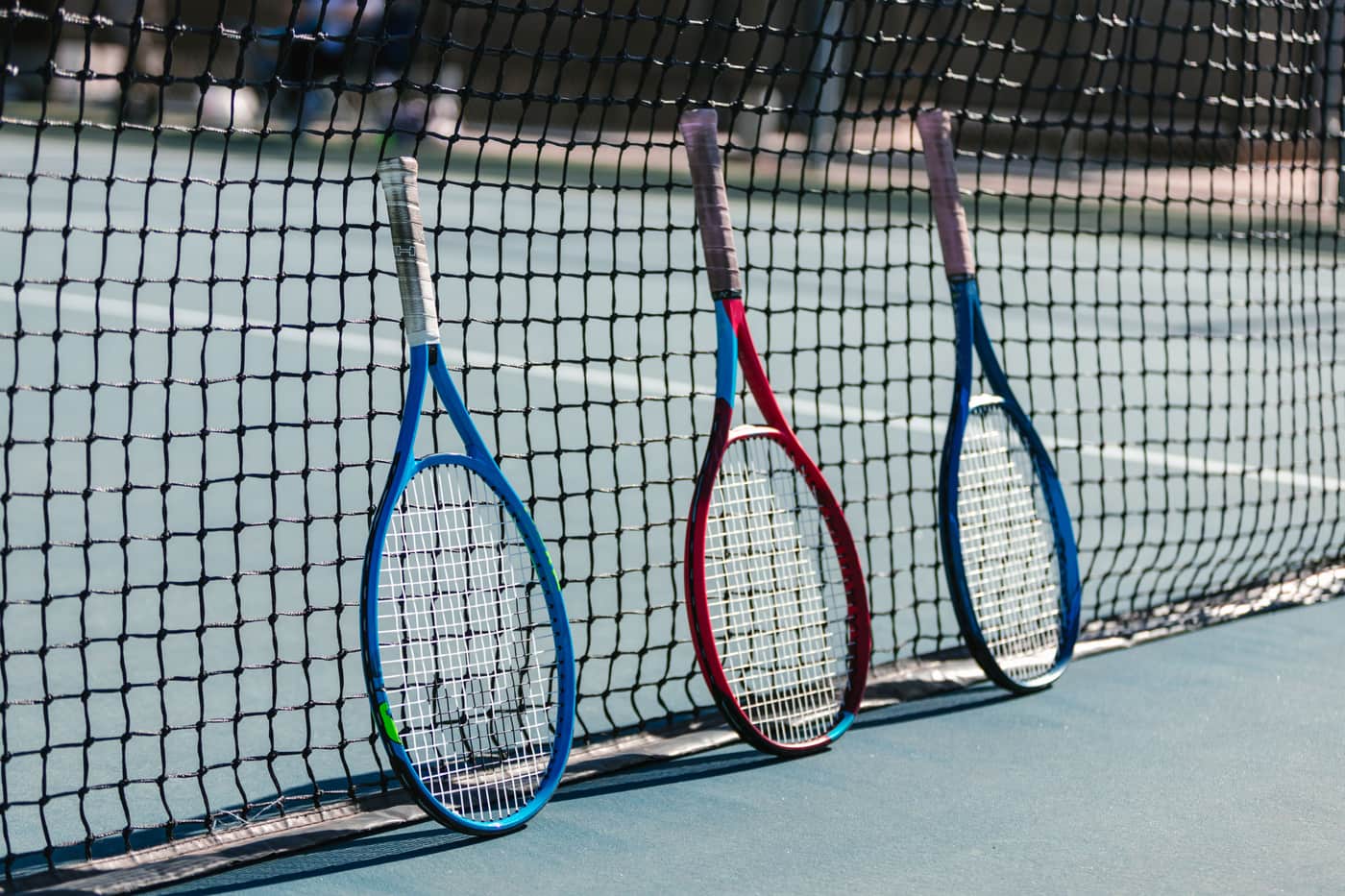
Best under $100
Real graphite frames at $99, how to spot the aluminum ones, and where the saved money should go.
Top pick: HEAD Titanium Ti.S6
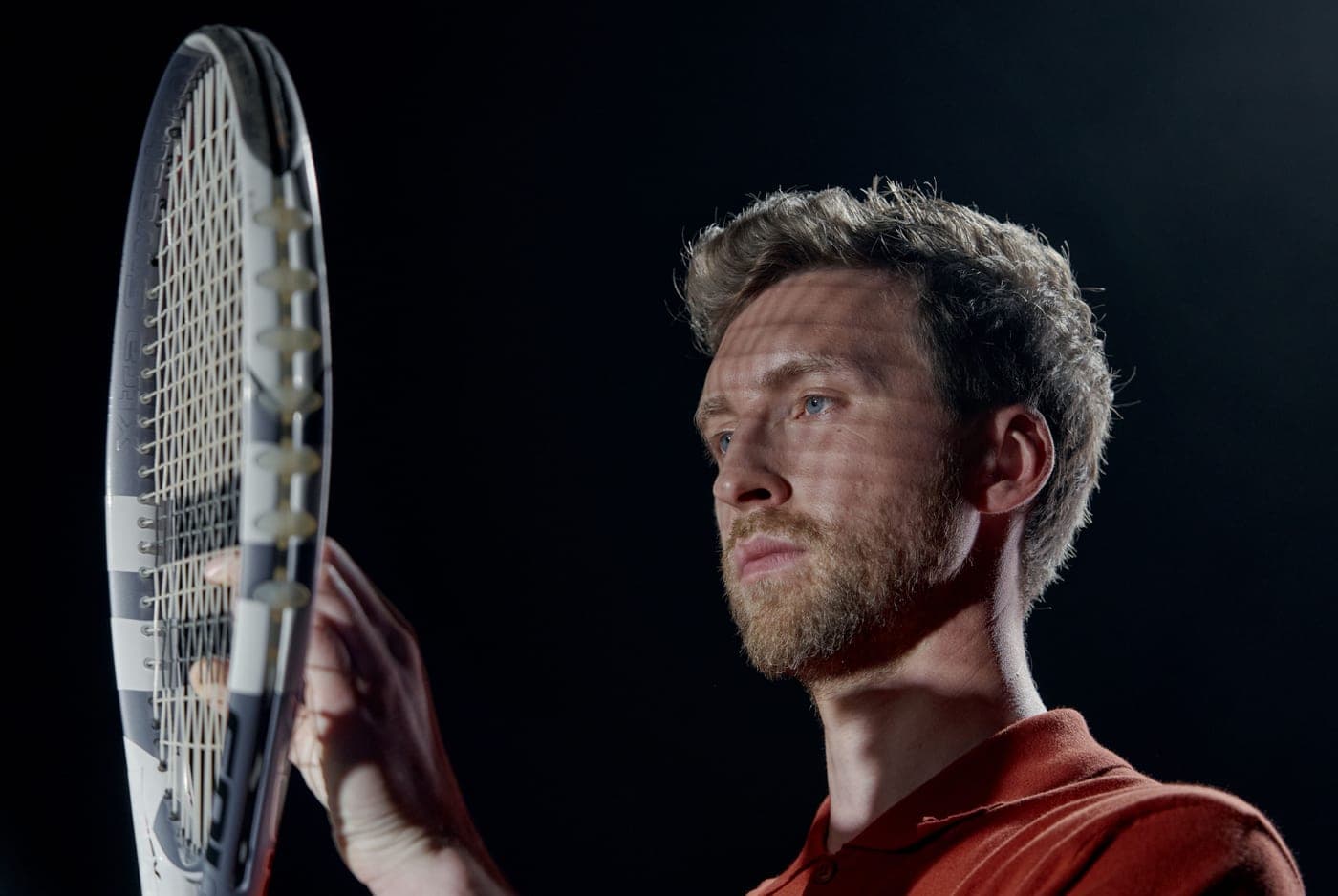
Best for control
Thin beams and tight patterns for players whose misses go long — and the spin cost of each.
Top pick: Wilson Blade 98 16x19 v10
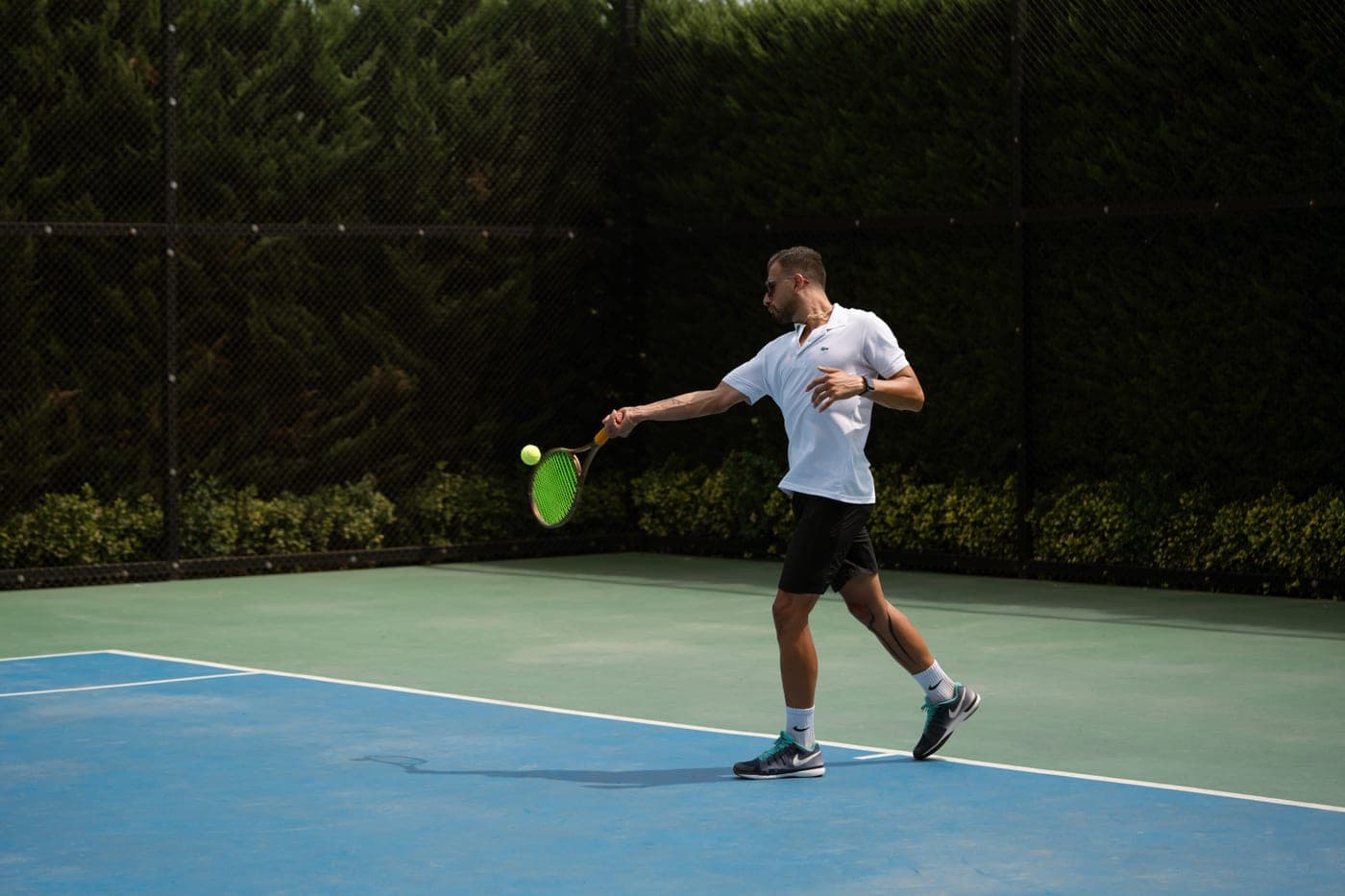
Best for power & spin
Thick beams for depth, open patterns for topspin — and why they are not the same purchase.
Top pick: Babolat Pure Drive 2025
A racket spec sheet has a dozen fields. Three of them do most of the work, and the rest are refinements once those three are right.
| Spec | What it controls | Where beginners sit | Where club players sit |
|---|---|---|---|
| Head size | Sweet-spot area and forgiveness on off-center hits | 100-115 sq in | 98-100 sq in |
| Strung weight | Stability against incoming pace, and arm load | 244-285 g | 310-330 g |
| Swingweight | How hard the frame is to accelerate | 290-312 | 318-330 |
Swingweight is the one most guides skip, and it is the one most players feel. It measures resistance to rotation around the handle, which is what you are fighting when you are late on a return. Two rackets can both weigh 300 g and feel completely different because one carries its mass further up the hoop. Balance and swingweight explained walks through how to read it.
You are still finding the center of the string bed, so the racket has to make off-center contact survivable. That means a larger head, a lower swingweight, and — this matters more than most guides admit — a soft frame. Shock through a stiff frame on a mishit is exactly the load pattern that produces elbow pain in new players. The beginner roundup prioritizes that.
You can rally, you are starting to generate your own pace, and now you need a frame that holds up when someone hits hard at you. This is where strung weight climbs to roughly 300-318 g and head size settles at 100 sq in. See the intermediate roundup.
You have the swing speed to create pace, so the frame's job flips: it needs to control what you produce. That means tighter string patterns, smaller heads and higher swingweights. The advanced roundup covers it.
We do not run a test lab, so nothing on this site claims we hit with a frame for forty hours. What you get instead is the published specification from the retailer or manufacturer listing, cited on the page, plus the reasoning that connects those numbers to a level. You can check the working, which is the point.
We also will not print a price. There is no live price feed on this site, and a stale number is worse than no number — you would plan around it and then find something different at checkout. Every buy link goes straight to the current Amazon listing.
Tennis Warehouse's own beginner guide groups usable frames from about $99 upward, and there are genuine graphite options at that price. Below roughly $50 you are usually buying an aluminum frame, which is heavier at the tip, harsher through the arm and harder to swing — the opposite of what a beginner needs.
A heavier racket gives more stability and more plow-through against incoming pace, which feels like power on a return. It gives less power on your own serve if it slows your swing down. That is why swingweight matters more than static weight — see our balance and swingweight guide.
Only if you swing like your coach. Frames are matched to swing speed and contact consistency, not to loyalty. A coach's frame is usually heavier and lower-powered than a developing player can use well.
Graphite frames lose stiffness slowly and there is no fixed expiry. Most club players change frames because their game outgrew the spec, not because the racket failed. Strings are the consumable — see string tension explained.
Every source above was retrieved while writing this page. Specifications are quoted from the listing or manufacturer page cited, not from memory.