Guide
How long does a padel racket last?
Padel rackets rarely break. What happens instead is that the core softens and the racket quietly stops doing what it used to — which is harder to notice and easier to ignore.
By Janet H.Updated

The short answer
Played twice a week, expect one to two years before a soft-core racket feels noticeably duller. Soft cores fatigue faster than hard ones, face texture wears before anything breaks, and the most common early death is a wall or floor strike rather than normal use.
Disclosure — we earn a commission on qualifying purchases made through links on this page, at no extra cost to you. It never changes which product we rank first. How this site is funded.
What actually wears out
- 01The core. EVA foam fatigues with repeated compression. It gets less springy, the racket feels duller, and the sweet spot effectively shrinks. This is the normal death of a padel racket.
- 02The face texture. Rough or sandblasted surfaces smooth out with use, which quietly reduces the spin you can put on a vibora or a bandeja.
- 03The frame. Carbon and fiberglass frames can delaminate after repeated impacts, usually against a wall or the floor rather than against balls.
- 04The grip. Consumable, and the one thing you should replace routinely rather than waiting for.
Notice what is not on that list: string. Padel rackets have none, which removes the main ongoing maintenance cost that tennis players are used to.
Realistic timelines
| How often you play | Soft core | Medium or hard core |
|---|---|---|
| Once a week | Two to three years | Three years or more |
| Twice a week | One to two years | Two to three years |
| Three or more times a week | Under a year | One to two years |
These are directional rather than precise — core fatigue depends on how hard you hit as well as how often. A competitive player who smashes heavily will go through soft cores faster than the table suggests.
How to tell it has gone
- The ball comes off slower for the same swing. The clearest signal, and the easiest to miss because it happens gradually.
- The sweet spot feels smaller. Mishits that used to be playable now feel dead.
- Your lobs are falling short. A soft-core racket that has fatigued loses depth before it loses anything else.
- A borrowed racket feels transformative. The most reliable test available. If someone else's identical model feels dramatically livelier, yours is done.
Cracks, rattles and dead spots
These are damage rather than wear, and they usually come from a specific incident rather than accumulation.
- A visible crack in the frame — the racket is finished. Do not play it; a failing frame near a glass wall is a hazard.
- A rattle — the core has separated from the face internally. Terminal.
- A dead spot — an area of the face that feels noticeably flatter. Internal delamination. Terminal.
- Chipped paint at the tip — cosmetic, and the sign of floor strikes. Check for structural damage, but paint alone is not a problem.
Making one last
- 01Stop hitting the wall and the floor. By a wide margin the largest cause of early death. A protector strip on the frame head costs very little and absorbs the strikes that would otherwise crack it.
- 02Do not leave it in a hot car. Heat cycling degrades both the EVA core and the adhesive bonds.
- 03Use the wrist tether. It is required by the rules anyway, and a released racket finds glass.
- 04Rotate two rackets if you play frequently. Cores recover slightly between sessions, and the wear spreads.
- 05Change the overgrip regularly. A slippery grip makes you squeeze, which is both worse for your elbow and a cause of the drops that crack frames.
When to replace versus when to upgrade
If your racket has gone dull but your game has not changed much, replace like with like — it is the cheapest way back to the feel you liked.
If two years of padel have moved your game on, replacement is the natural moment to change shape or core hardness, because you are spending the money anyway. How to choose a padel racket covers the five decisions, and padel racket shapes covers the most consequential one.
Now pick yours
The specs above are only useful once they resolve into something you can buy. These are the products that match what this page has just explained.
Our picks
| # | Product | Best for | Score | Price |
|---|---|---|---|---|
| 1 | 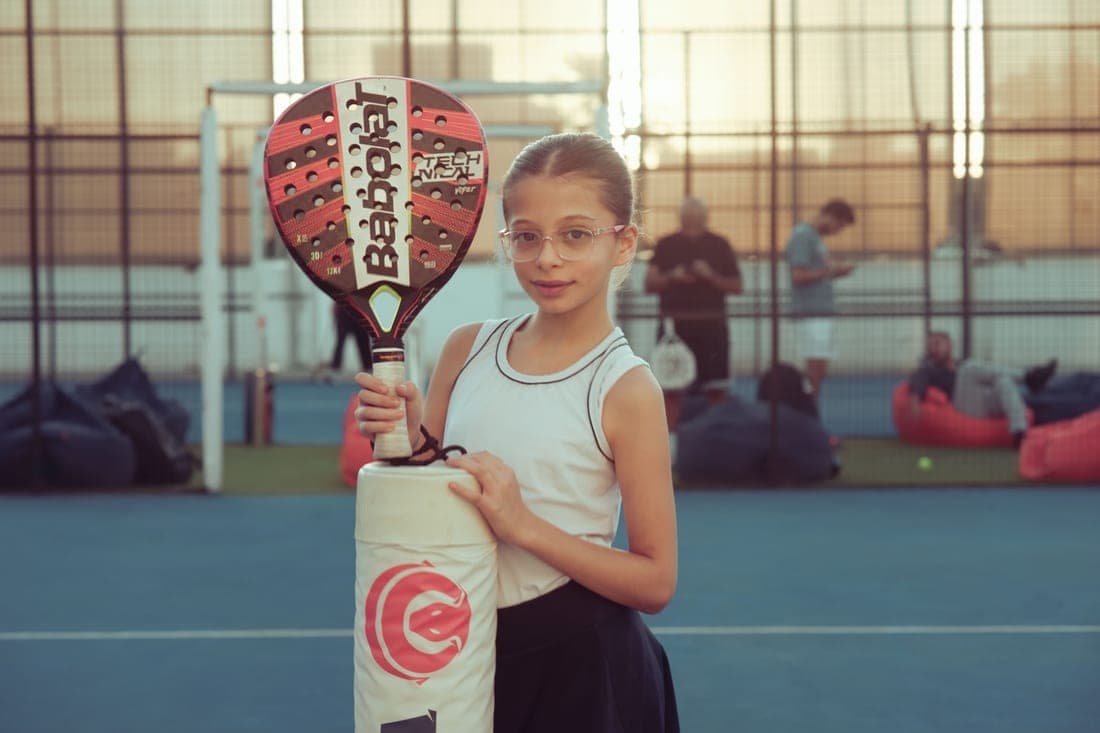 Babolat ContactBest value replacement | Replacing a worn beginner frame | 8.55 criteria | |
| 2 | 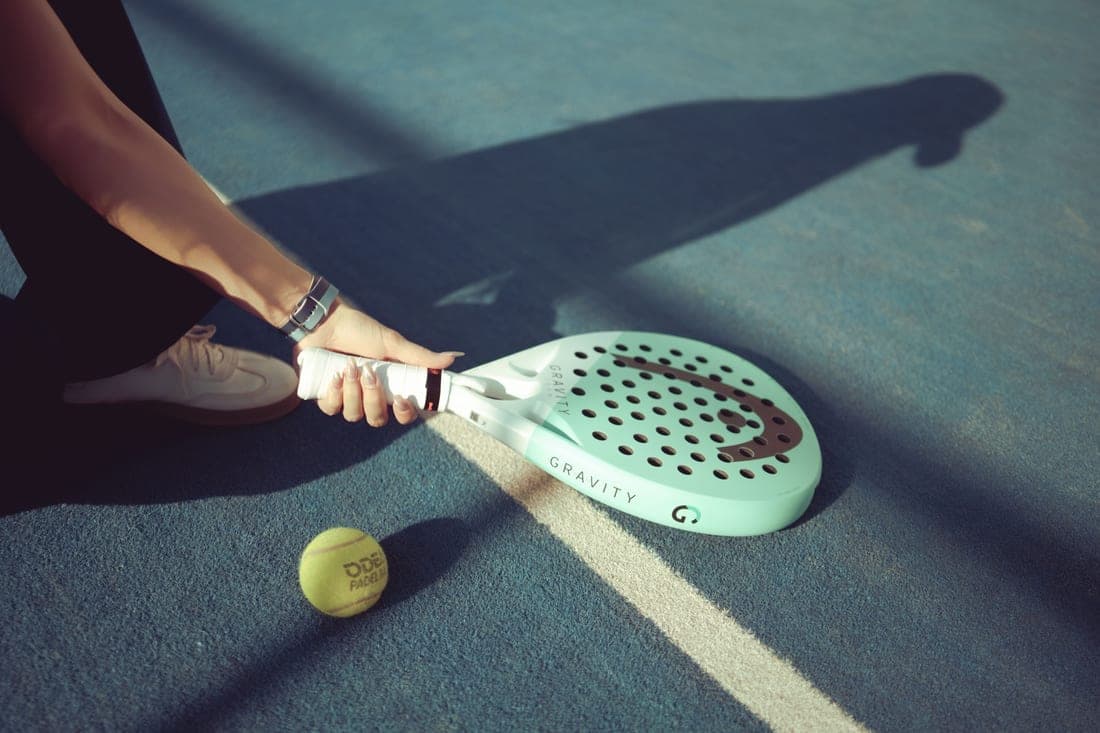 HEAD Evo SpeedBest upgrade on replacement | Replacing and upgrading at once | 8.35 criteria |
01Babolat Contact
Best value replacementBest for: Replacing a worn beginner frame
If your first racket has gone soft and your game has not yet changed, replacing like with like is the honest answer — and at this price it is a cheap decision.
A round head with a soft EVA core at 340 g is the same specification most players start on, and a new one will feel substantially livelier than a two-year-old one.
Soft cores are the ones that fatigue fastest, which is the trade you accept for comfort and control.
Our score
- Control
- 9.0
- Power
- 5.5
- Sweet spot
- 9.5
- Arm comfort
- 9.0
- Maneuverability
- 8.5
- Overall
- 8.5
Verified specs
- Shape
- Round
- Weight
- 340 g
- Core
- Soft EVA
- Face
- Composite
- Frame
- Composite
Specs as published by Padel Padel, checked September 2026.
Buy if
- Your first racket has gone dull
- Your game has not changed much
- You want a cheap like-for-like replacement
Pass if
- Your game has moved on
- You want more power
- You want a carbon face
02HEAD Evo Speed
Best upgrade on replacementBest for: Replacing and upgrading at once
Replacement is the natural moment to move up a step, because you are spending the money anyway. An oversize teardrop with a carbon frame at $99.95 is the sensible next rung from a round beginner frame.
The soft foam core and fiberglass face keep it forgiving, so you are changing shape and mass without changing everything at once.
If two years of padel have moved your game on, this is a better purchase than another round frame.
Our score
- Control
- 8.0
- Power
- 7.0
- Sweet spot
- 8.5
- Arm comfort
- 8.5
- Maneuverability
- 7.5
- Overall
- 8.3
Verified specs
- Shape
- Teardrop (oversize)
- Weight
- 360-370 g
- Balance
- 270 mm (medium)
- Core
- Soft foam
- Face
- Fiberglass
- Frame
- Carbon
- Profile
- 38 mm
Specs as published by Padel USA, checked September 2026.
Buy if
- Your game has developed since your first racket
- You want a step up on replacement
- You want a carbon frame
Pass if
- You are happy with a round frame
- You want the lightest option
- Budget is the binding constraint
Common questions
How long does a padel racket last?
Played twice a week, one to two years for a soft-core racket and two to three for a firmer one before it feels noticeably duller. Frequency and how hard you hit both matter more than calendar age.
Do padel rackets lose their bounce?
Yes. The EVA foam core fatigues with repeated compression, so the racket gets less springy and the effective sweet spot shrinks. It is gradual, which is why most players do not notice until they borrow a new one.
How do I know if my padel racket is dead?
The ball comes off slower for the same swing, your lobs fall short, and mishits feel deader than they used to. The most reliable test is borrowing someone's newer version of the same model.
What kills a padel racket early?
Hitting the wall or the floor. A protector strip on the frame head is inexpensive and absorbs the strikes that would otherwise crack the frame. Heat in a car is the second most common cause.
Does a padel racket need restringing?
No — padel rackets have no strings. The consumables are the overgrip and, eventually, the racket itself.
Read next
Sources
- 01Padel Market — Best Padel Racket for Beginners 2026
- 02Padel Padel — Babolat Contact listing
- 03Padel USA — HEAD Evo Speed listing
Every source above was retrieved while writing this page. Specifications are quoted from the listing or manufacturer page cited, not from memory.