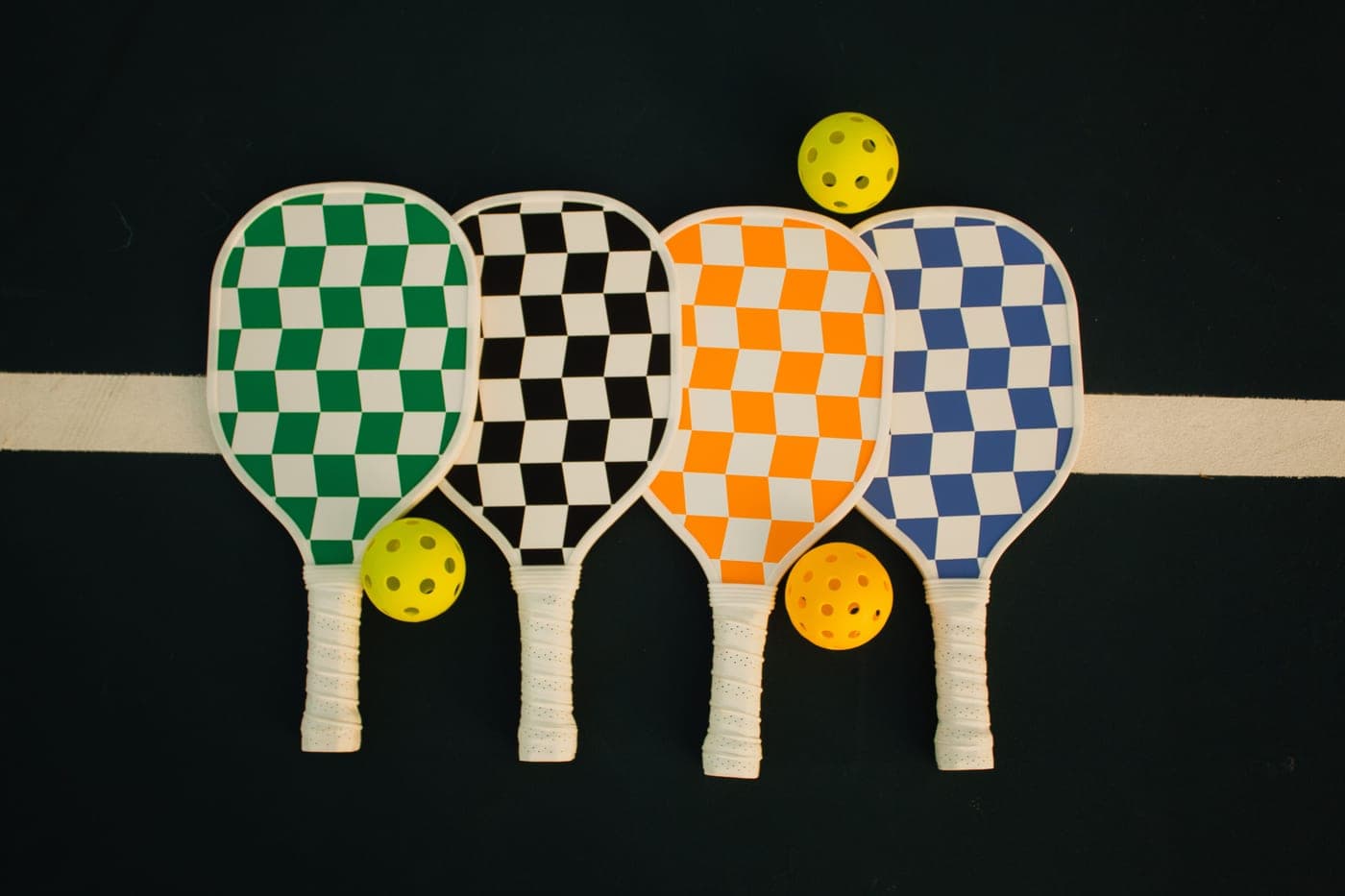
Best paddles for beginners
Best pickleball paddles for beginners in 2026
Core thickness, face material and handle length — the three numbers that explain every paddle.
Top pick: Vatic Pro Prism Flash
Pickleball
Core thickness, face material and handle length explain almost everything about how a paddle plays. Once you can read those three, the price ladder starts making sense.
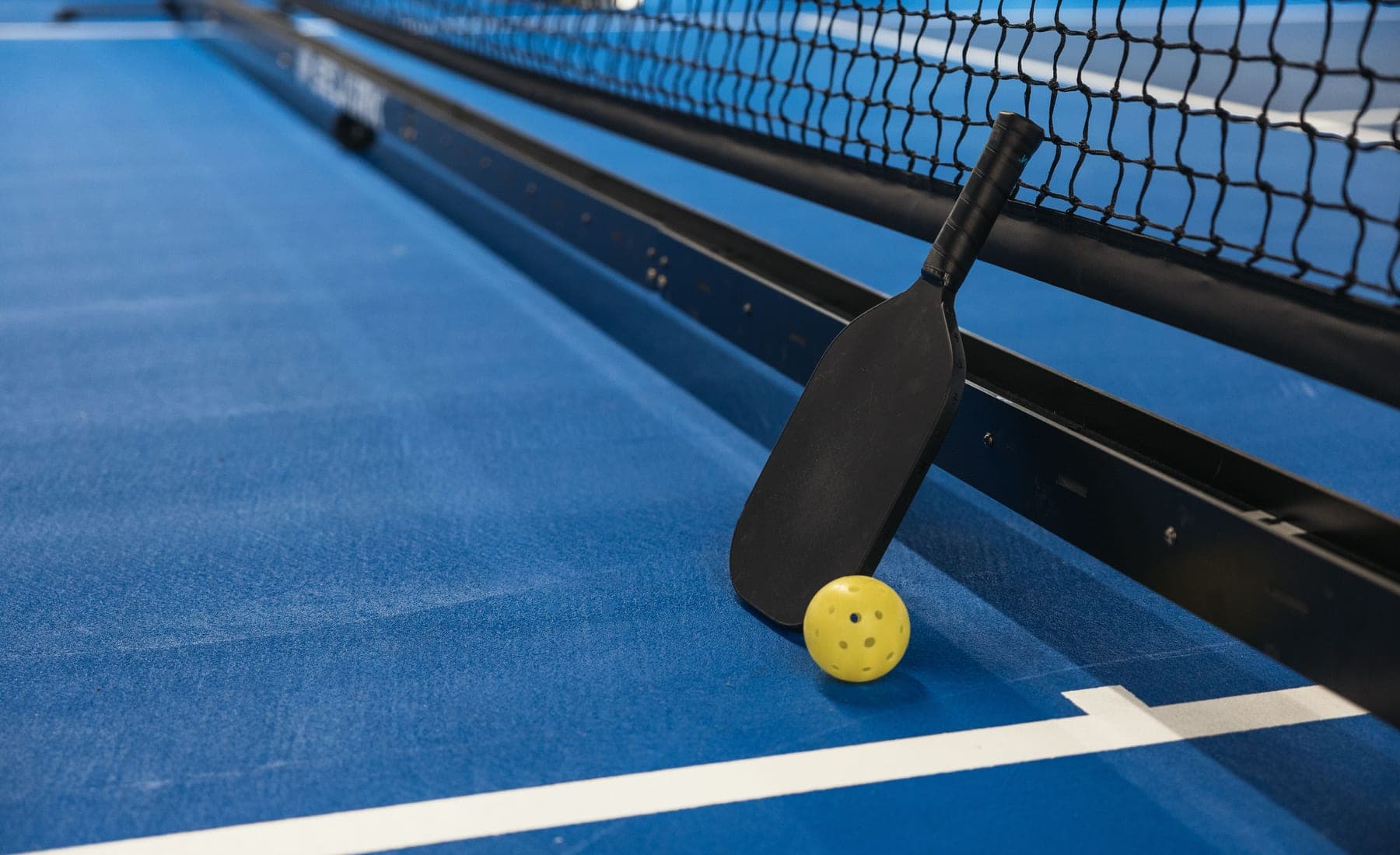
Pickleball paddle marketing has gone the way of golf driver marketing: proprietary names for things that are, underneath, a slab of polymer with a sheet of carbon or fiberglass on each side. The good news is that the specs that matter are all published, and they explain most of the differences that cost you $200.
Three numbers do the work. Core thickness (usually 13 mm or 16 mm) trades power for control. Face material — raw T700 carbon, textured fiberglass, graphite — decides how much the paddle grips the ball for spin. Handle length (roughly 4.25 in to 5.5 in) decides whether a two-handed backhand fits.
Best paddles for beginners
Core thickness, face material and handle length — the three numbers that explain every paddle.
Top pick: Vatic Pro Prism Flash
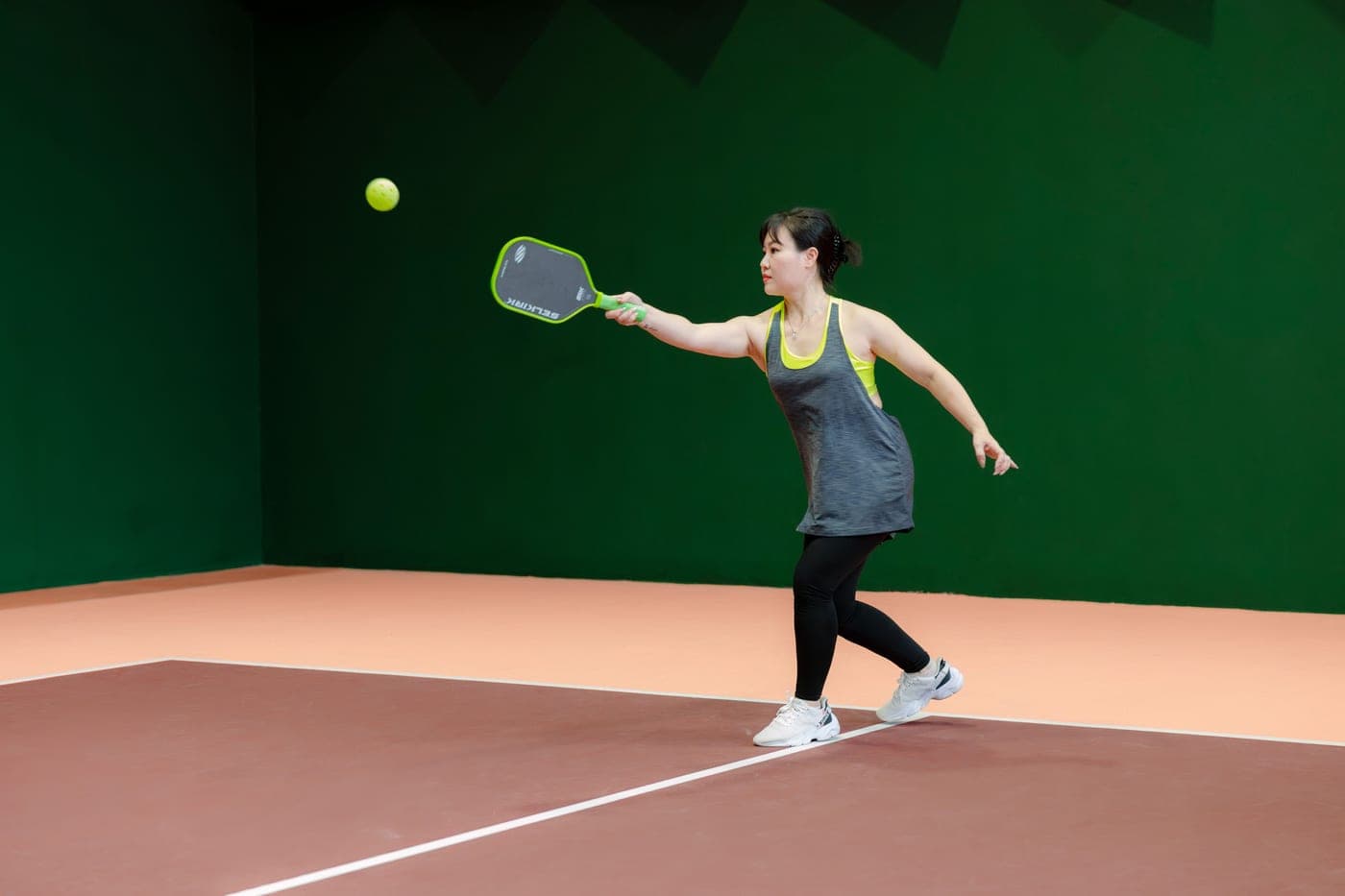
Best paddles for tennis players
Long handles, elongated shapes and grippy faces — plus the tennis habits that cost you points.
Top pick: HEAD Radical Elite
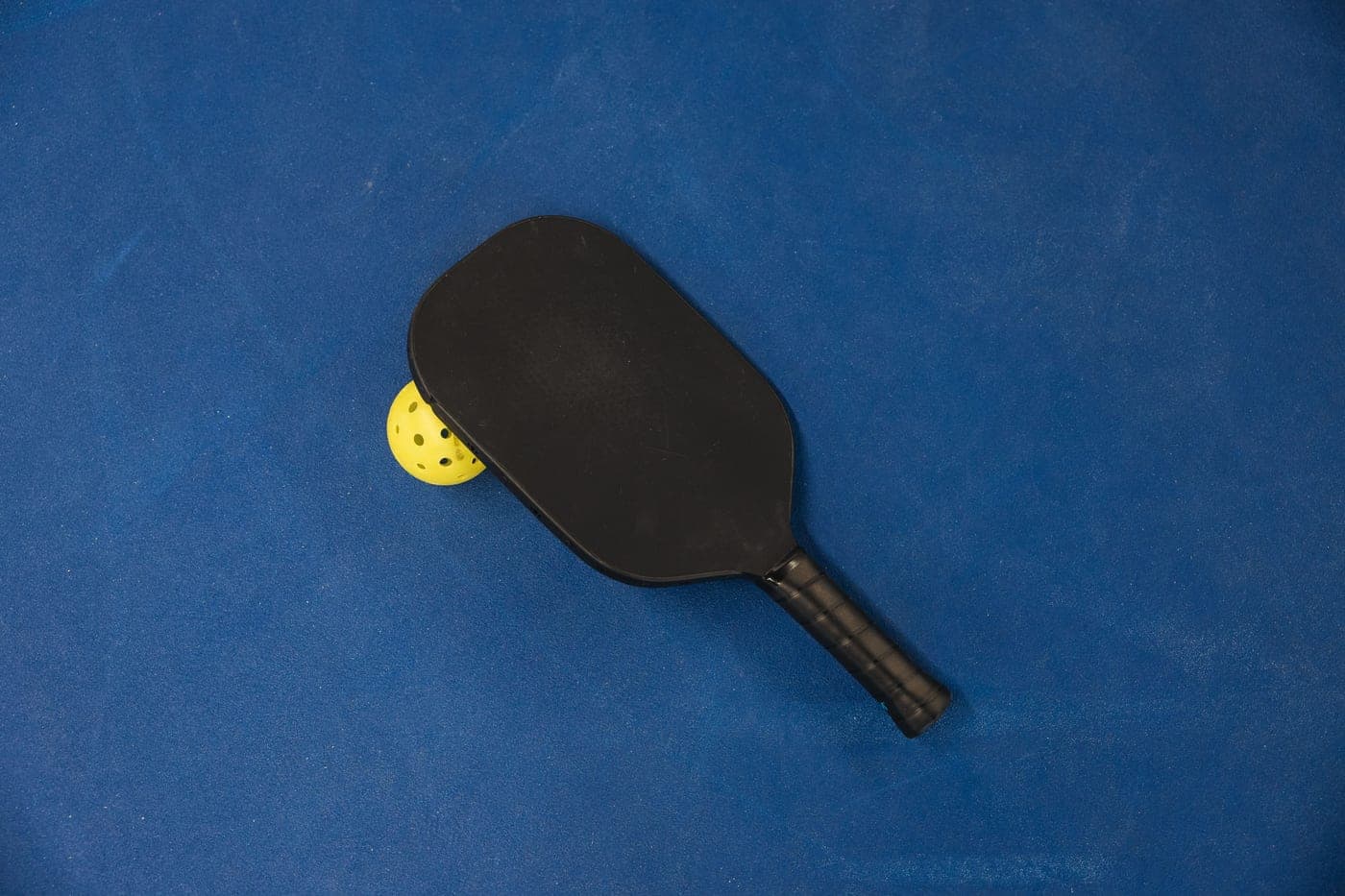
Best paddles for control
Thick cores, damped faces and the weight to resist a drive — control, decomposed.
Top pick: Six Zero Coral
Best paddles under $100
Raw T700 carbon on a 16 mm core is now a sub-$100 spec — here is who does it best.
Top pick: Vatic Pro V-SOL Pro
| Core | Feel | Best at | Weakest at |
|---|---|---|---|
| 13 mm | Firm, poppy | Driving, putting away | Soft resets at the kitchen |
| 14 mm | Balanced | All-court play | Nothing in particular |
| 16 mm | Soft, absorbent | Dinks, blocks, resets | Raw put-away power |
The pattern across the paddles Pickleheads and PickleballUS recommend is clear: 16 mm dominates the beginner and control categories, and 13-14 mm shows up where power is the point. If you are unsure, 16 mm is the safer first purchase — pickleball is won at the kitchen line, and the shot you need there is a soft one.
Raw T700 carbon is the current default on serious paddles: the Vatic Pro V-SOL Pro (16 mm, 8-8.5 oz, $99.99 as listed by Pickleheads) and the Ronbus Quanta Pro (16 mm, 7.9 oz, $99.99) both use it under $100, which would have been a $200 spec two years ago.
Textured fiberglass — the GAMMA Hellbender, the Engage Pursuit MX 6.0 — is livelier and cheaper, with a bit more pop and slightly less bite on the ball. Graphite, as on the HEAD Radical Elite, sits firmer and more direct, which is why PickleballUS names that paddle specifically for players arriving from tennis.
The instinct to swing full is the thing that costs tennis players the first six months of pickleball. The court is a fraction of the size, the ball is a hard perforated plastic that does not compress the way a tennis ball does, and the volley-restricted kitchen means the winning shot is frequently the softest one available.
Equipment-wise, two things carry across: an elongated shape gives you reach that feels familiar, and a 5.5-inch handle lets a two-handed backhand survive. The paddles for tennis players roundup is built around exactly that, and tennis vs pickleball covers what changes in the game itself.
Pickleheads' current set runs from $99.99 for their budget and under-$100 picks up to $300 for the most customizable option. The honest read is that the sub-$100 tier now delivers the same core construction and face material as paddles at twice the price; what you buy above that is shape refinement, weight distribution and, at the very top, adjustability. The under $100 roundup is where most players should start.
A 16 mm core with a carbon or textured fiberglass face, in the 7.8-8.3 oz range. That combination is forgiving on mishits and soft enough to control a dink. Specific models are on the beginner paddles page.
Heavier paddles are more stable and hit deeper, lighter paddles react faster at the net. Most recommended paddles cluster between 7.6 oz and 8.4 oz because that range balances the two. Outside it you are trading hard.
Only if you want reach and are willing to give up some sweet-spot width for it. Elongated shapes suit singles players and tennis converts. Standard shapes are more forgiving.
The face texture wears before anything breaks, which quietly reduces spin. Players who compete typically replace a paddle within a year or two; recreational players get considerably longer.
Every source above was retrieved while writing this page. Specifications are quoted from the listing or manufacturer page cited, not from memory.