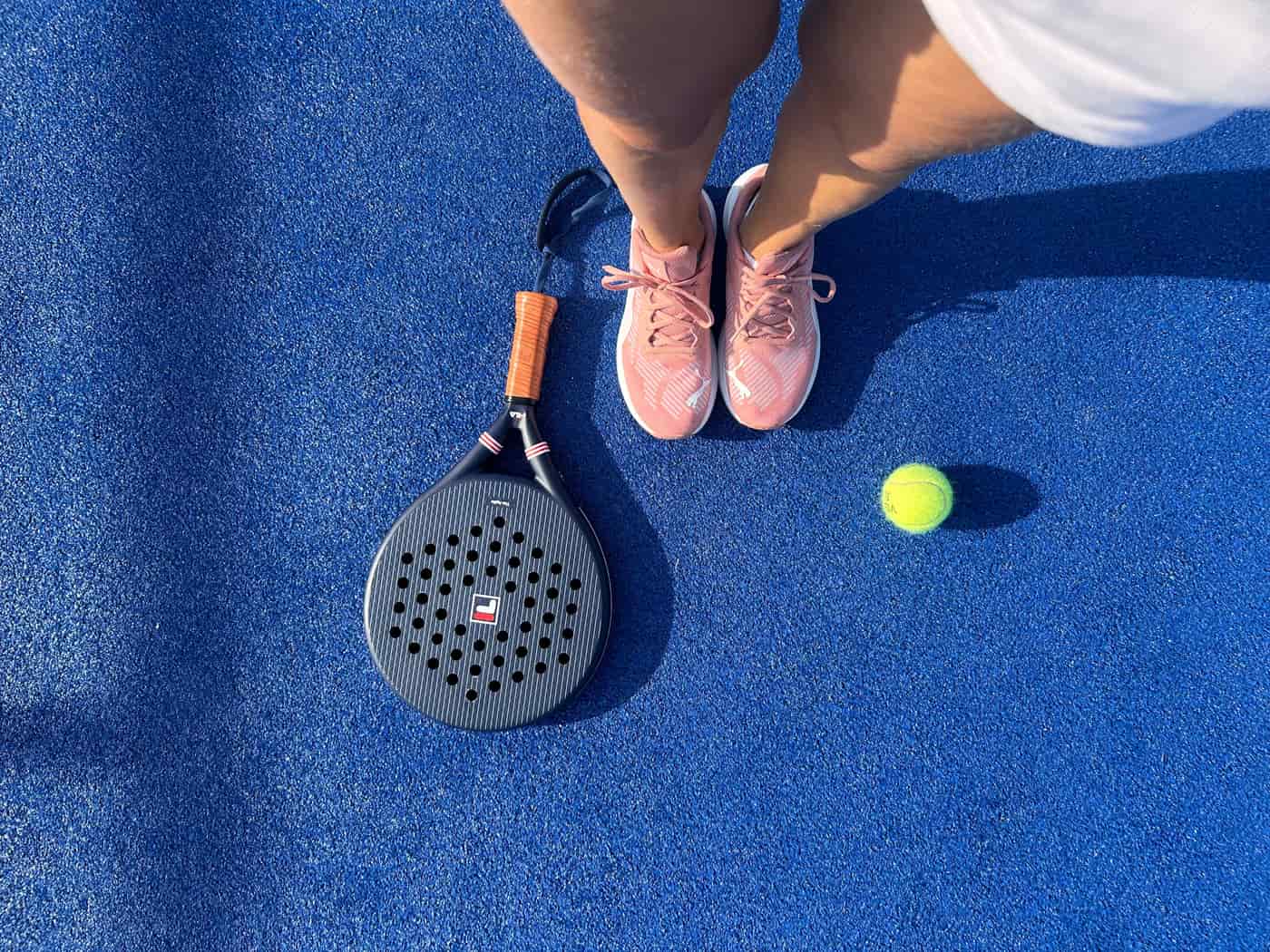
Best padel rackets for beginners
Best padel rackets for beginners in 2026
Round, soft, 350-360 g, head light — the narrow spec band that makes padel learnable.
Top pick: Babolat Contact
Padel
Padel rewards control long before it rewards power, and the equipment market does a poor job of saying so. Shape, core hardness and balance matter more than the carbon grade on the sticker.
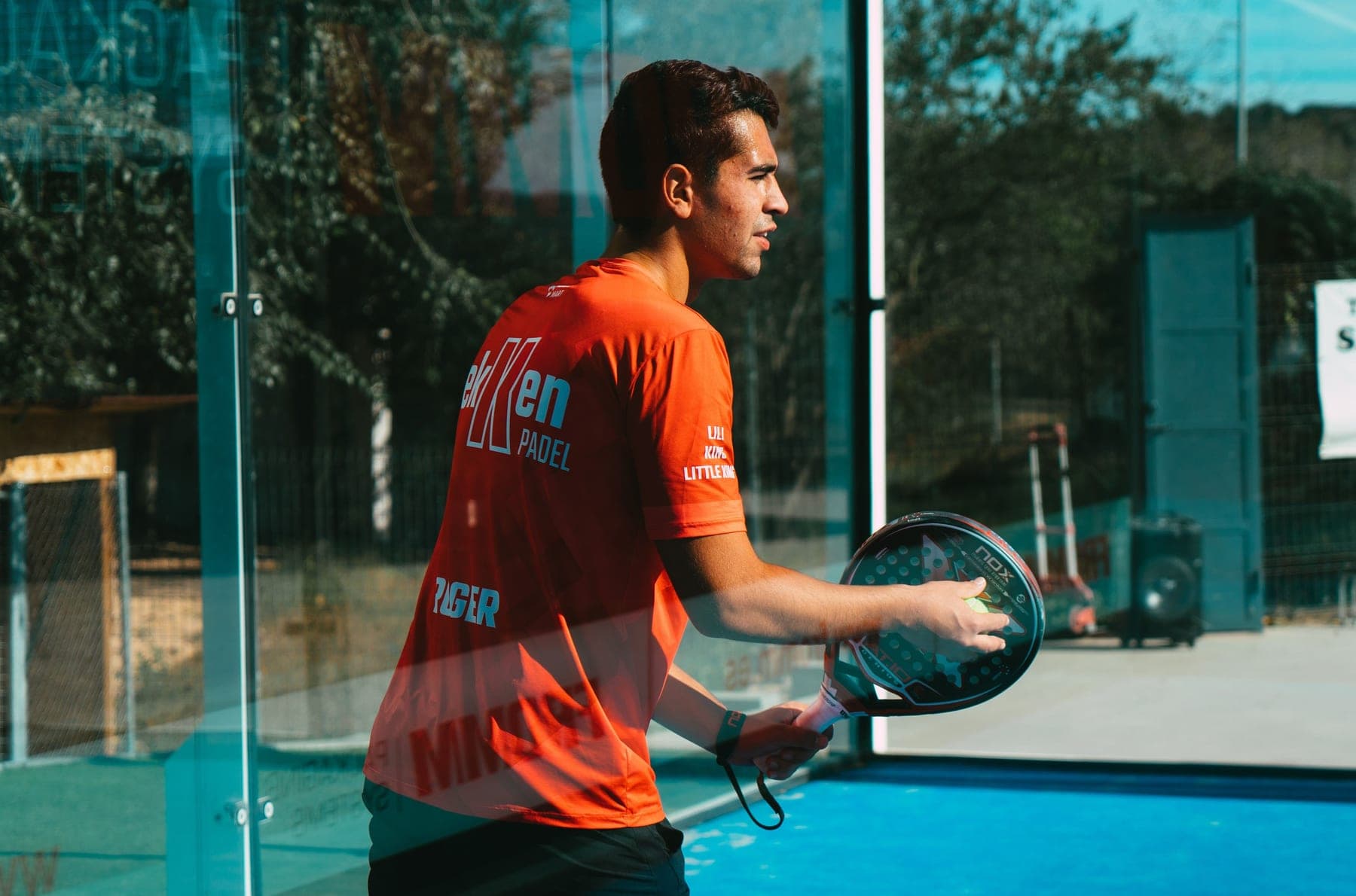
Padel is the fastest-growing racquet sport in Europe and Latin America and it is arriving in the US now. If you have played tennis, the transition feels natural for about ten minutes and then stops feeling natural, because the walls change everything: the ball stays in play after it passes you, and the winning shot is usually the one that is hardest to attack rather than the one that is hardest to reach.
Equipment follows from that. A padel racket is solid, perforated and stringless, and its shape — round, teardrop or diamond — moves the sweet spot up or down the face. That single variable decides most of how a racket plays. Padel racket shapes explained is the page to read before you shop.
Best padel rackets for beginners
Round, soft, 350-360 g, head light — the narrow spec band that makes padel learnable.
Top pick: Babolat Contact
Best padel rackets for intermediate
One step along each of shape, core and face — not three steps along one of them.
Top pick: HEAD Evo Speed

Best padel rackets under $150
Where padel value actually lives — and an honest account of what the money above $150 buys.
Top pick: Babolat Contact
Best padel shoes
Herringbone, omni or hybrid — matched to the surface at the club you actually play at.
Top pick: ASICS GEL-Resolution X Padel

Best padel balls
Which pressurized balls hold pressure longest, and when a pressureless ball is the right call.
Top pick: HEAD Padel Pro+
Best padel bags
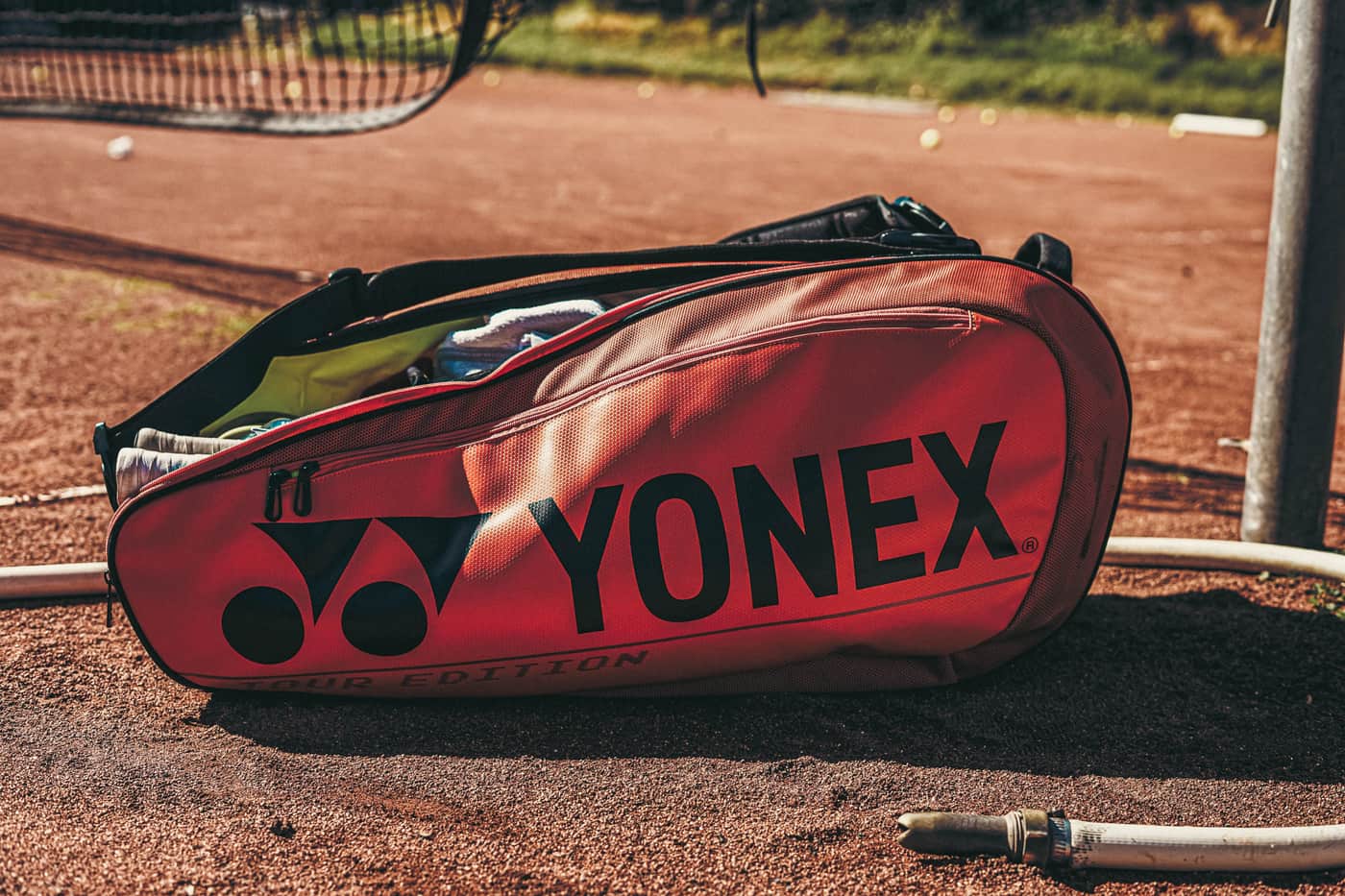
A six-racquet tennis bag is the right answer — here is where the price difference actually goes.
Top pick: HEAD Tour Racquet Bag M
| Shape | Sweet spot | Balance | Suits |
|---|---|---|---|
| Round | Centered, large | Head light | Beginners, control players |
| Teardrop | Slightly high, medium | Medium | Improvers and all-rounders |
| Diamond | High, small | Head heavy | Advanced attackers |
Padel Market's beginner guidance is blunt about this and we agree with it: start round, 350-360 g, head light, with a soft EVA core and a soft fiberglass or soft-carbon face. Every one of those choices trades top-end power for a bigger, more central sweet spot, and at the start you will hit far more off-center balls than you expect.
The beginner rackets roundup works entirely within that band. When you have outgrown it, the intermediate roundup moves into hybrids and firmer cores.
Most padel is played on sanded artificial turf. That surface behaves like a shallow layer of loose grit over a hard base — grippy until it suddenly is not. A clay-style herringbone or a hybrid sole clears the sand instead of riding on it, and the difference in confidence when you plant is immediate.
Padel Market splits the category three ways: herringbone for heavily sanded turf, omni for drier or carpet-style courts, and hybrid for everything in between. If you play at more than one club, buy hybrid. The padel shoes roundup has the models.
Padel balls are pressurized like tennis balls but slightly smaller and softer, and they go dead faster than people expect. Padel Browser reports the Dunlop Pro Padel holding up for five to six full matches before the bounce softens, and rates the HEAD Padel Pro+ as holding pressure longest among the pressurized options after its 2026 core reformulation. Full comparison on the padel balls page.
For bags, a standard six-racquet tennis bag is the sensible buy — padel rackets are shorter than tennis frames, so a six-pack swallows two rackets, shoes, and a change of kit with room left. See padel bags.
Padel and pickleball get mentioned in the same breath constantly and they are not remotely the same game. A padel court is 20 m by 10 m with glass walls in play; a pickleball court is 13.4 m by 6.1 m and open. We wrote padel vs pickleball because almost nobody explains what that means for the gear you have to buy. Padel vs tennis covers the transition from a tennis background.
No. Padel rackets are solid, stringless, perforated and capped at 45.5 cm in length by the rules. A tennis racket is not legal and would be unmanageable near the walls anyway.
Padel Market's beginner guidance is 350-360 g with a head-light balance. Lighter than about 350 g gets unstable against hard shots; heavier fatigues the shoulder over a long match.
They look nearly identical but padel balls are slightly smaller and less pressurized, so they bounce lower. Tennis balls are technically playable and immediately feel too lively off the walls.
Longer than people fear, as long as you stop hitting the wall and the floor with it. How long a padel racket lasts covers core fatigue and what actually kills a frame.
Every source above was retrieved while writing this page. Specifications are quoted from the listing or manufacturer page cited, not from memory.