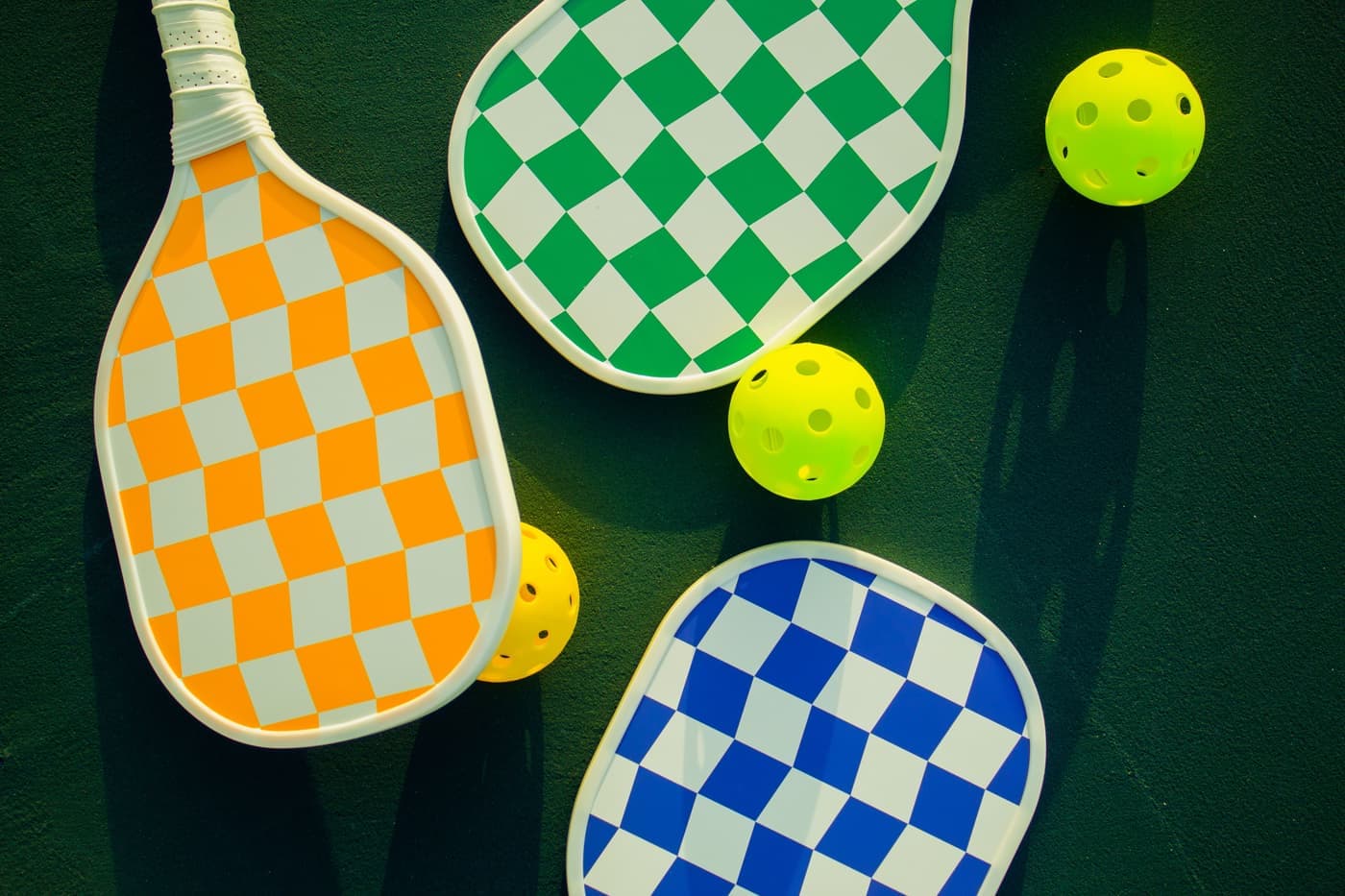
Padel vs pickleball
Padel vs pickleball: which one should you actually play?
Official court sizes, the walls, the kitchen — and exactly what gear each sport asks you to buy.
Top pick: Babolat Contact
Compare
Every comparison here ends with the part other sites skip: which of your current gear carries over, and what you will have to buy.

There are now five or six racquet sports competing for the same weeknight, and the internet is full of comparisons that tell you the court dimensions and then stop. That is the least useful half of the answer. What you want to know is whether the sport suits you, and what it will cost you in equipment to find out.
So every comparison on this hub has a gear consequences section. If your tennis shoes work on a padel court, we say so. If they do not, we say which ones do and link to them.
Padel vs pickleball
Official court sizes, the walls, the kitchen — and exactly what gear each sport asks you to buy.
Top pick: Babolat Contact
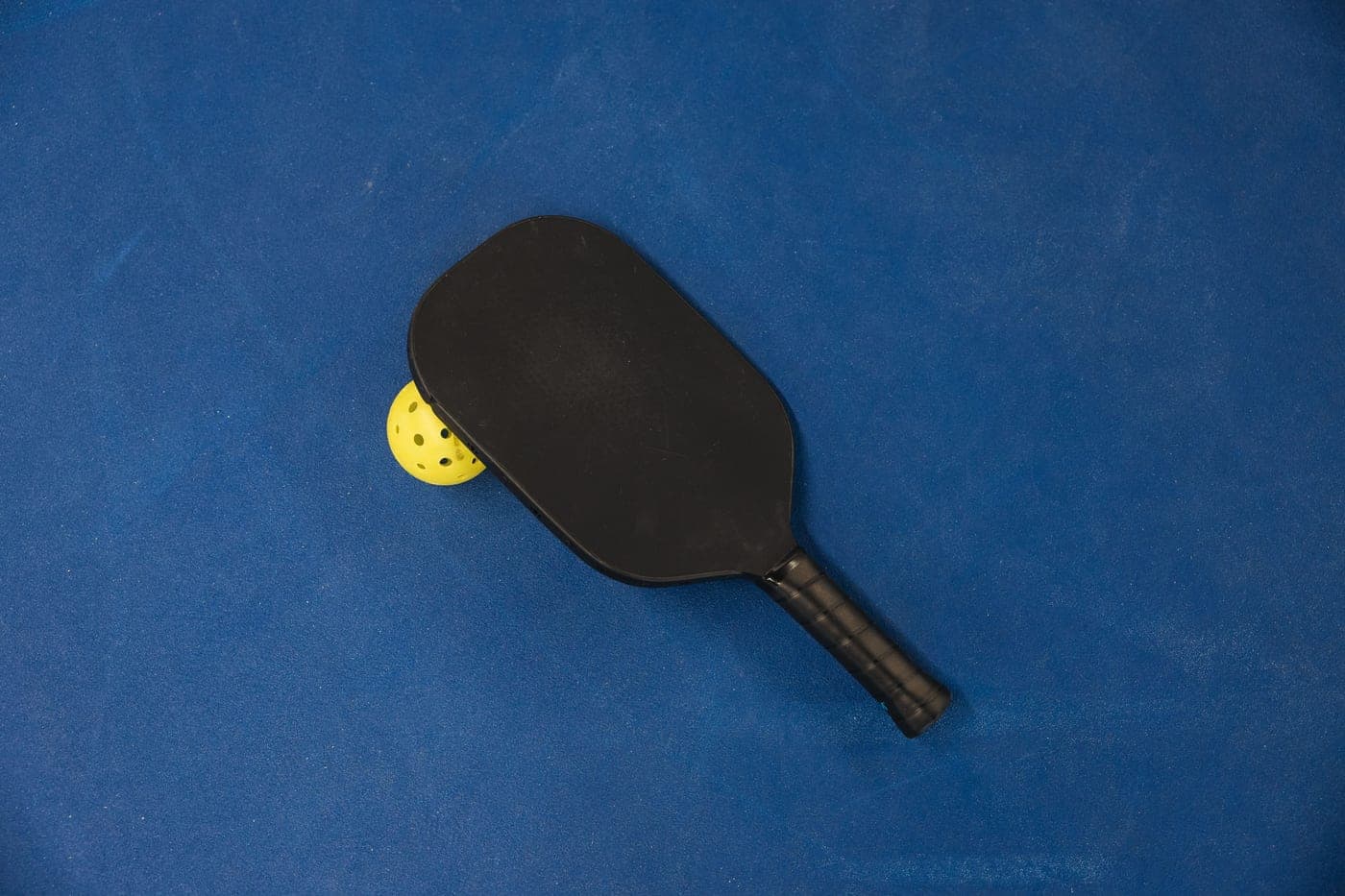
Tennis vs pickleball
Your volley transfers, your swing does not — and the paddle specs that suit a tennis background.
Top pick: HEAD Radical Elite
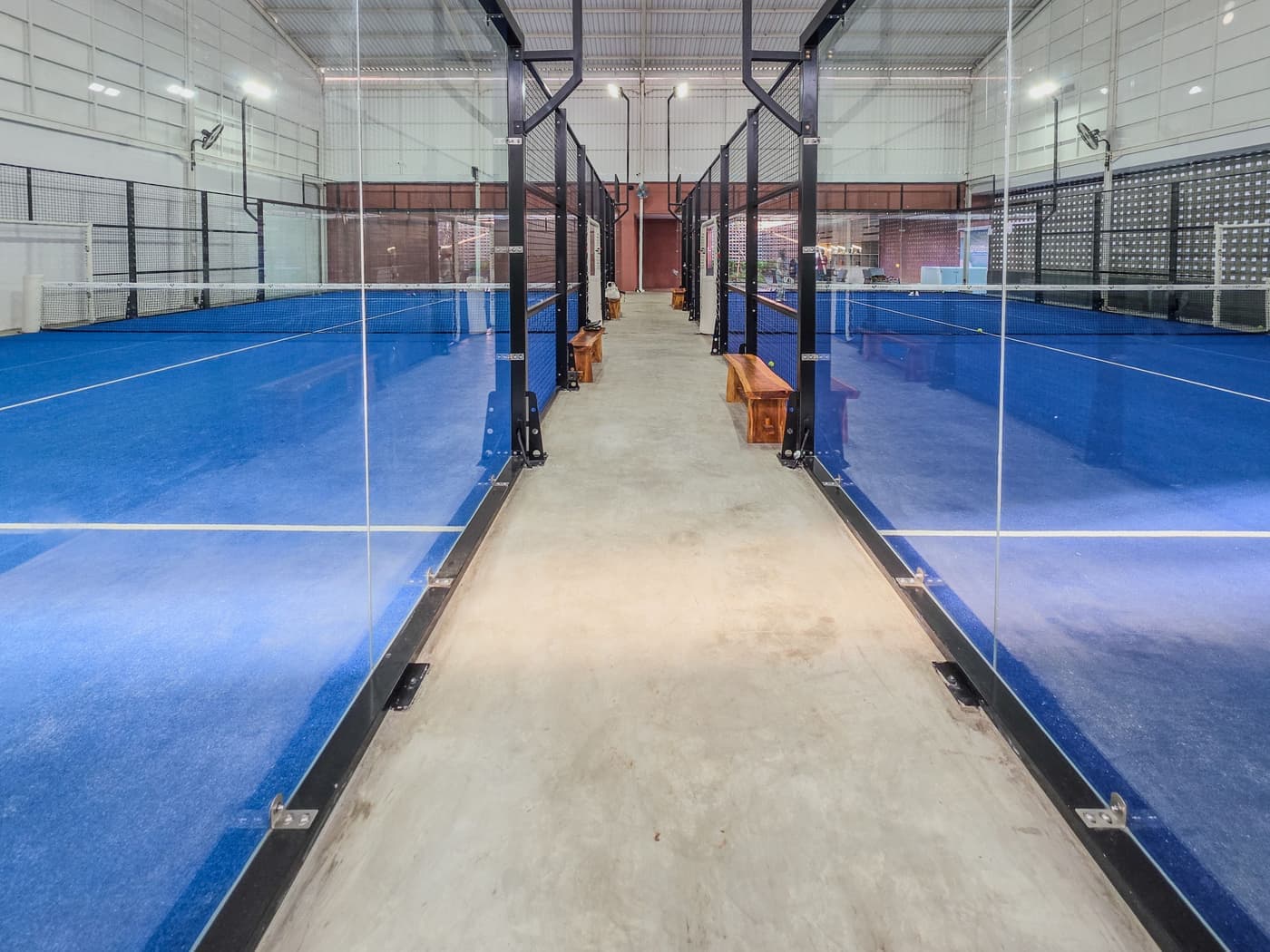
Padel vs tennis
The walls rewrite what a winner is — what transfers from tennis, and what you have to buy.
Top pick: Babolat Contact

Padel vs squash
One sport where the wall is the target, one where it is a consequence — and what transfers.
Top pick: Babolat Contact

Padel vs platform tennis
The closest pairing in racquet sports — glass versus wire, pressurized versus sponge, warm versus cold.
Top pick: Babolat Contact
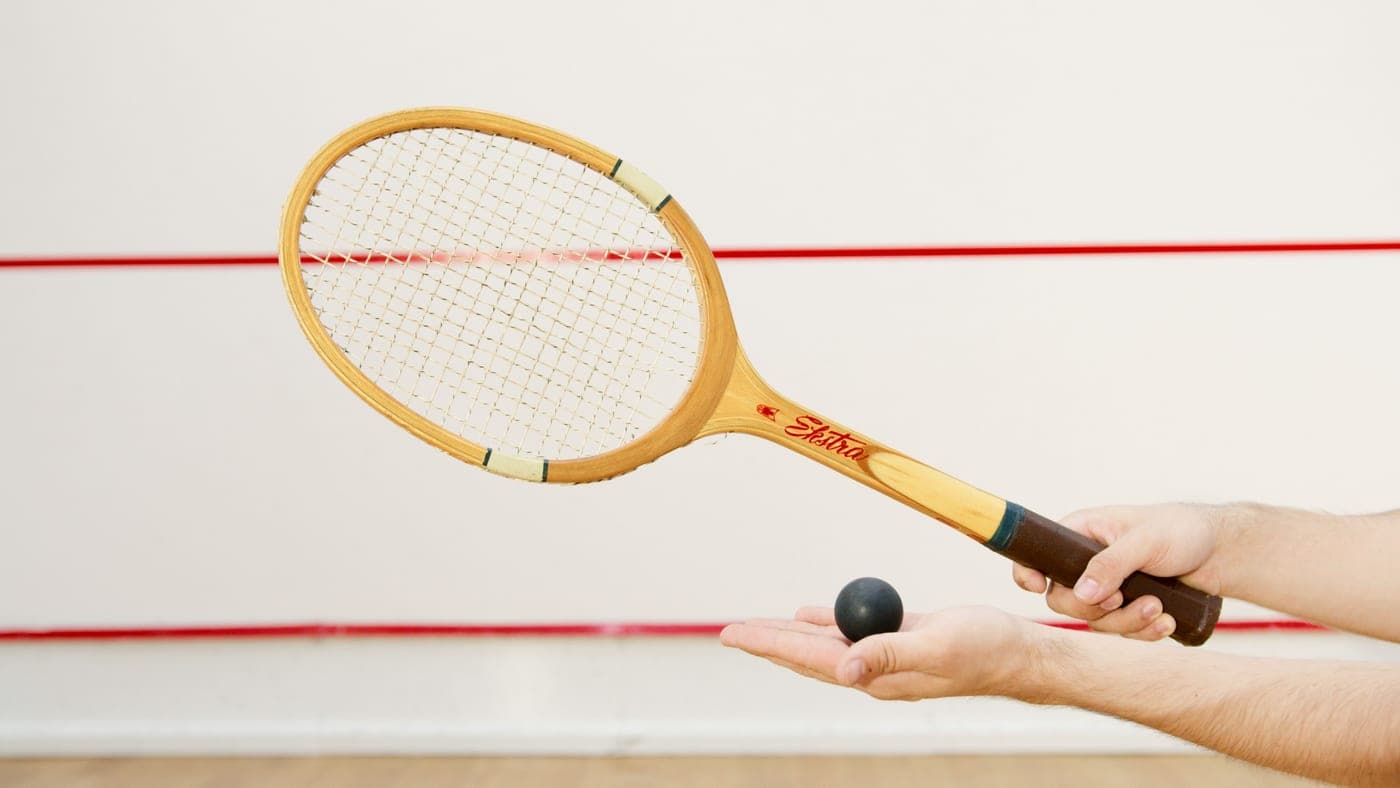
Padel vs racquetball
A live ceiling and no net versus a net and tennis scoring — and what transfers between them.
Top pick: Babolat Contact
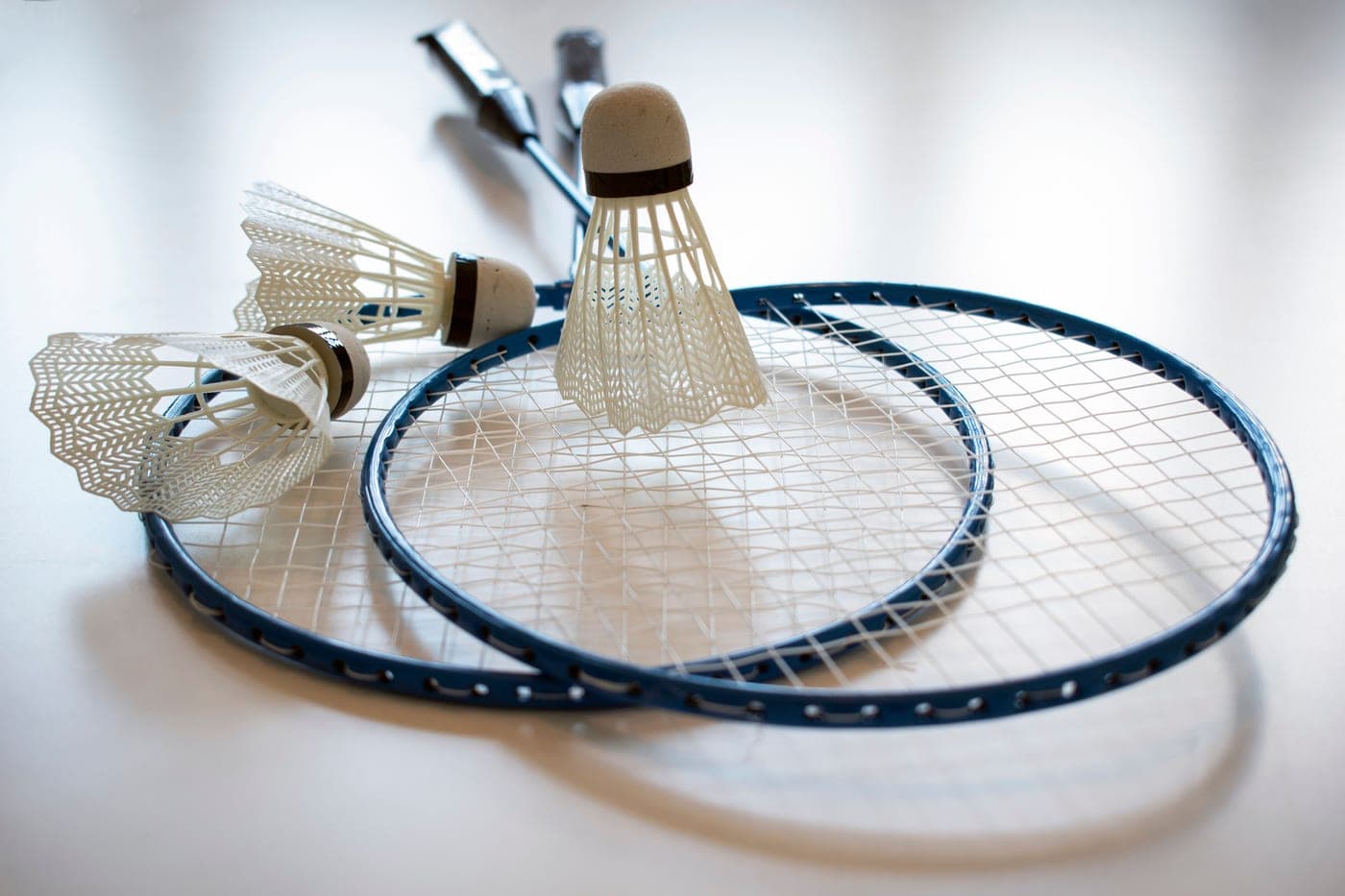
Tennis vs badminton
A third of the racket weight and a projectile that never bounces — and what still transfers.
Top pick: Wilson Clash 100 v3
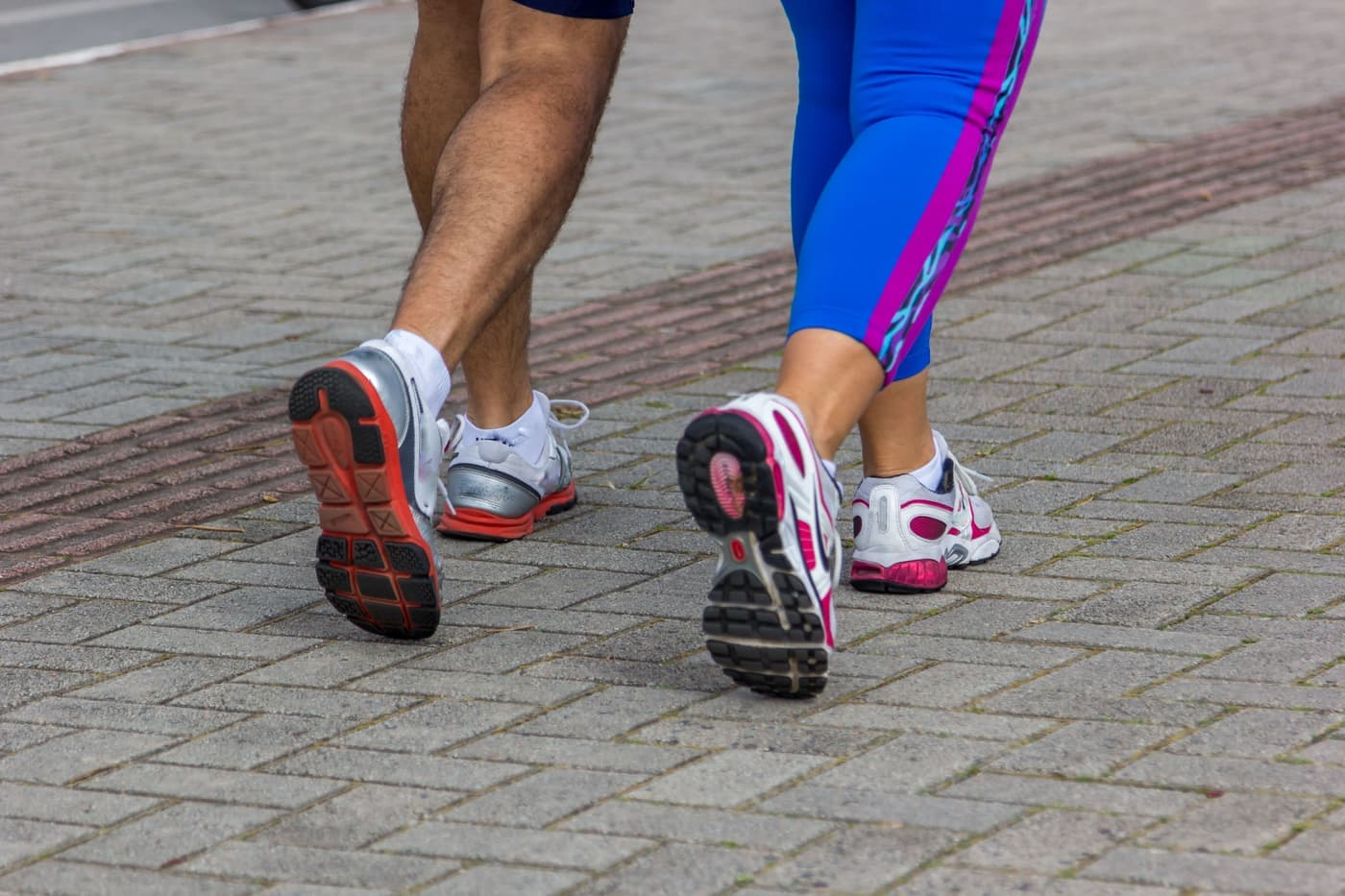
Tennis vs running shoes
Built for opposite load cases — the measured differences, and the objections answered.
Top pick: ASICS GEL-Resolution X
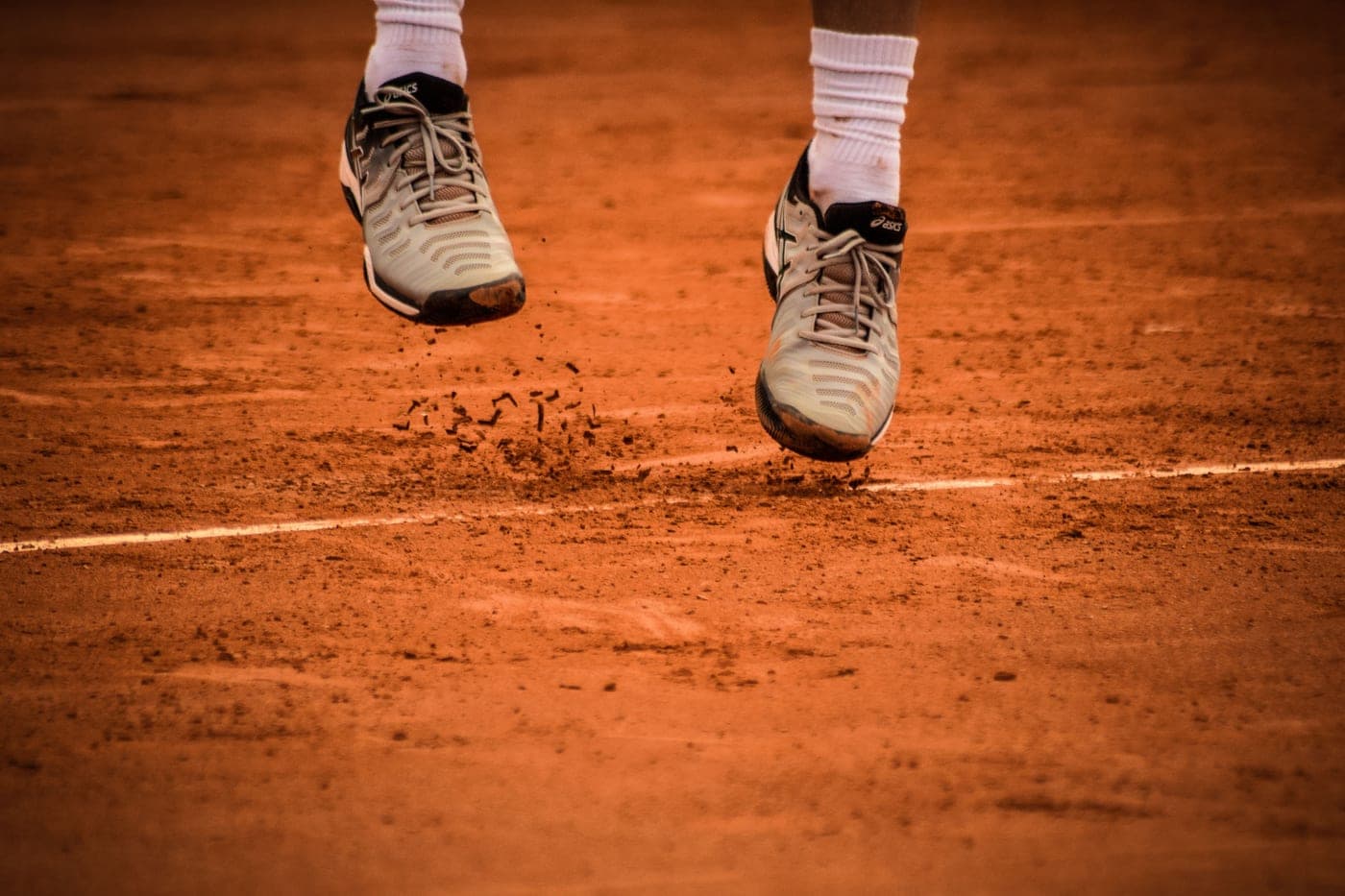
Padel vs tennis shoes
Sanded turf versus acrylic — when tennis shoes are fine for padel and when they are a hazard.
Top pick: ASICS GEL-Resolution X Padel
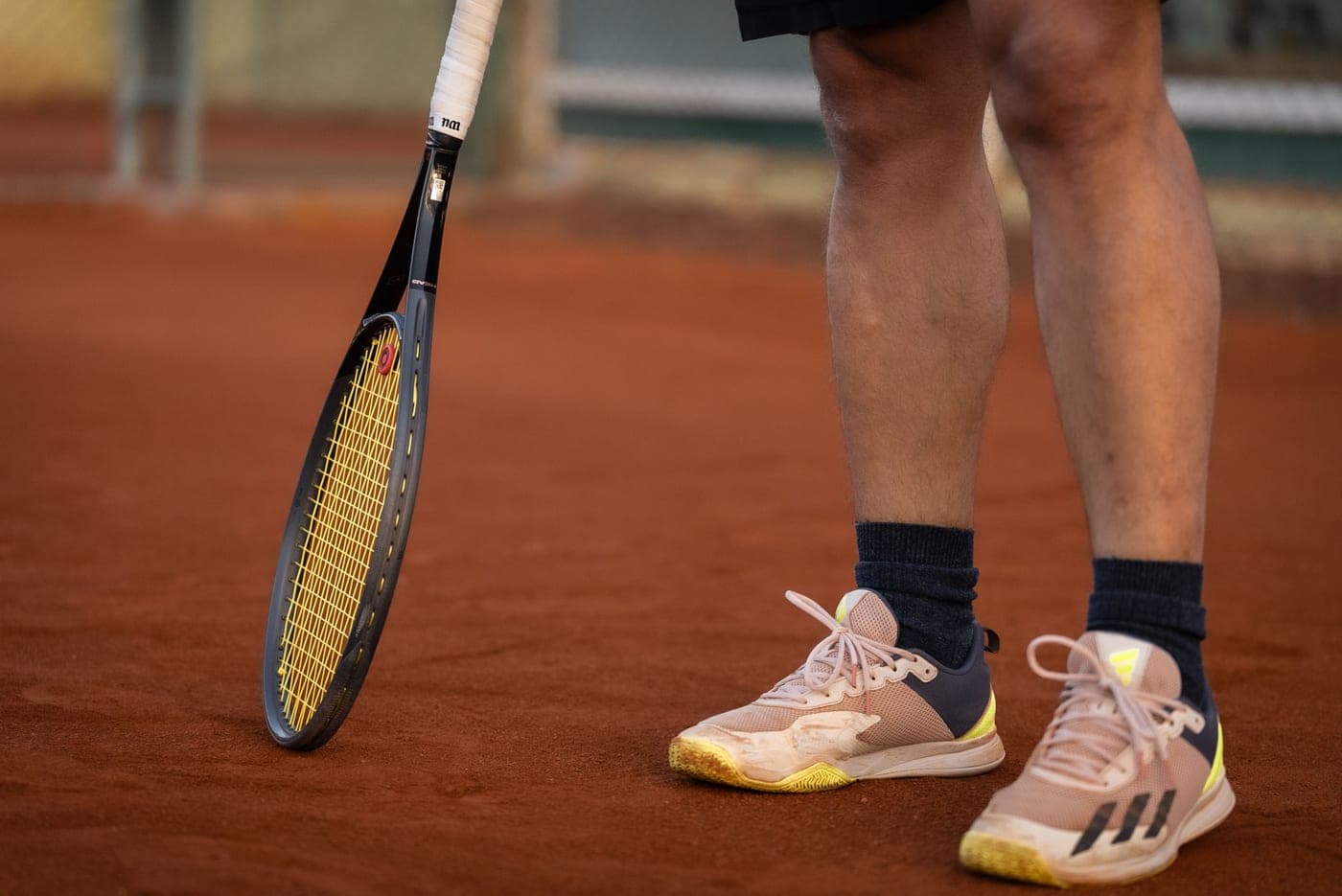
Tennis vs pickleball shoes
Same surface, same movement — your tennis shoes are correct, with one caveat about court size.
Top pick: ASICS Court FF 3
| Sport | Court size | Walls in play | Format |
|---|---|---|---|
| Tennis | 23.77 m x 8.23 m singles | No | Singles or doubles |
| Padel | 20 m x 10 m | Yes — glass and mesh | Doubles almost always |
| Pickleball | 13.4 m x 6.1 m | No | Singles or doubles |
A padel court is nearly five times the area of a pickleball court, and the walls mean a ball that passes you is still live. That single rule is why padel rallies are long and why the sport is doubles-first. Pickleball's small court plus its non-volley kitchen zone pushes play to the net and makes the soft game decisive.
Footwear is the most consequential cross-sport question and the one people resolve with a shrug. Lateral loading, outsole pattern and torsional rigidity are not interchangeable across surfaces.
Pickleball, by a wide margin. The court is small, the ball moves slowly, the paddle is light, and you can rally in your first session. Padel is second — the walls keep the ball in play, which forgives a lot.
Tennis singles covers the most ground per point. Padel produces the longest rallies because the walls keep points alive. Pickleball is the least physically demanding of the three, which is a large part of its appeal.
Tennis and pickleball shoes overlap substantially on hard courts. Padel on sanded turf really does want a clay-pattern or hybrid sole — see padel shoes vs tennis shoes.
No. The walls are playable in both, but padel is underarm-served doubles with a solid stringless racket on a 20 m by 10 m court, and squash is singles with a strung racket and a soft ball in a much smaller box.
Every source above was retrieved while writing this page. Specifications are quoted from the listing or manufacturer page cited, not from memory.