Comparison
Padel shoes vs tennis shoes: it comes down to the surface
The chassis of a padel shoe and a tennis shoe are close relatives. The sole is not, and on sanded turf the sole is the part that decides whether you stay upright.
By Janet H.Updated
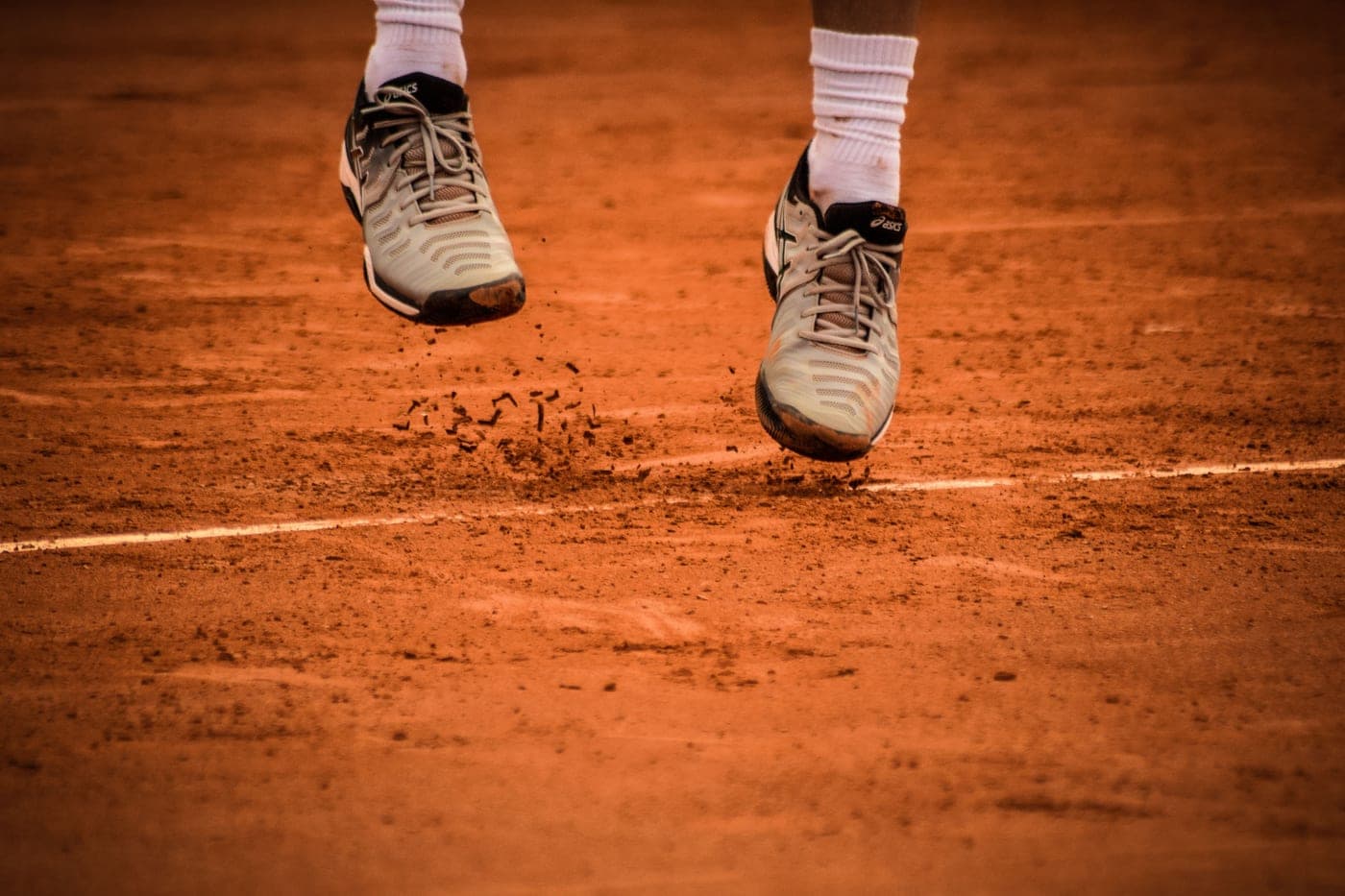
The short answer
Most padel is played on sand-dressed artificial turf, which needs a clay-style herringbone or hybrid sole that bites through the sand. A hard-court tennis outsole is dense and shallow by design and rides on top of it, gripping until it suddenly does not. On dry, lightly sanded or carpet-style courts, an all-court tennis shoe is genuinely fine.
Disclosure — we earn a commission on qualifying purchases made through links on this page, at no extra cost to you. It never changes which product we rank first. How this site is funded.
Our picks
| # | Product | Best for | Score | Price |
|---|---|---|---|---|
| 1 | 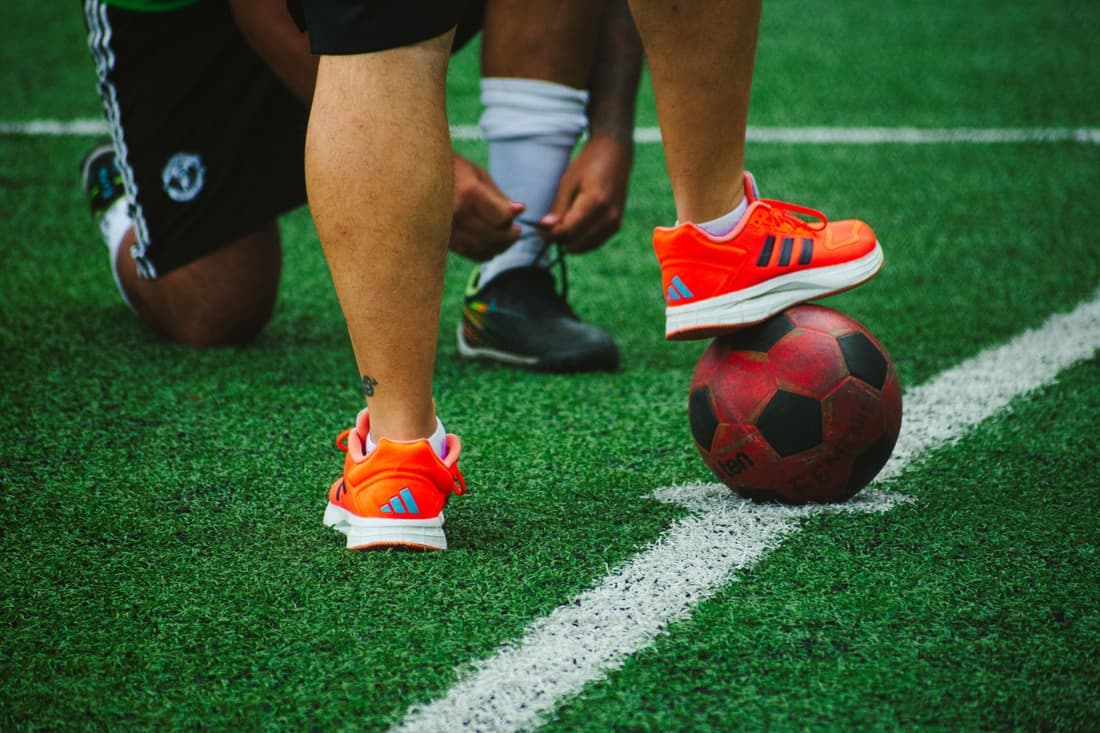 ASICS GEL-Resolution X PadelTop pick for padel | Regular padel at any club | 8.85 criteria | |
| 2 | Bullpadel Hack Vibram 26VMost durable on sand | Three or more sessions a week | 8.55 criteria | |
| 3 | 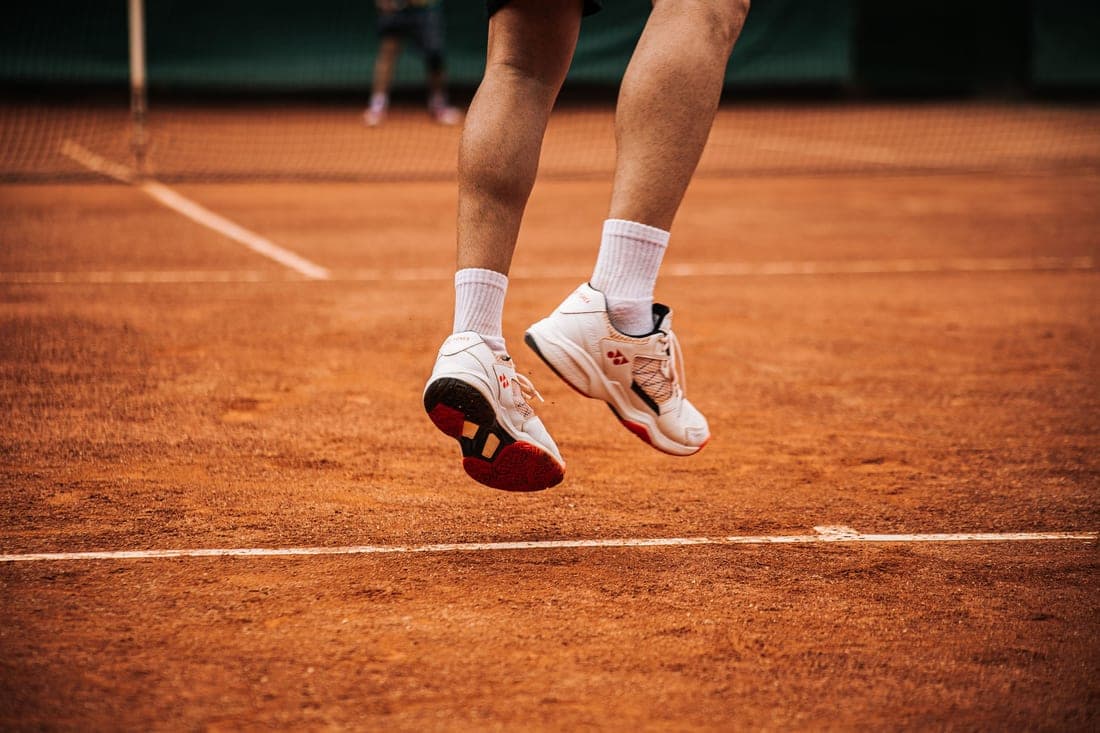 ASICS Court FF 3Best tennis shoe to use for both | Occasional padel on a dry court | 8.35 criteria |
The picks in detail
01ASICS GEL-Resolution X Padel
Top pick for padelBest for: Regular padel at any club
Padel Market describe this as offering superior lateral support with a reinforced GEL system in the high-impact zones, on a hybrid sole, aimed at intermediate to advanced players.
The hybrid sole is what makes it the default recommendation rather than a specialist one. Padel club surfaces vary — some heavily sanded, some nearly bare, some carpet-style — and a hybrid behaves predictably across all of them.
It shares its chassis with the tennis GEL-Resolution line, which is the most structurally rigid court platform we have seen measured.
Our score
- Lateral stability
- 9.5
- Cushioning
- 9.0
- Outsole durability
- 8.5
- Fit accommodation
- 8.0
- Lightness
- 5.5
- Overall
- 8.8
Verified specs
- Sole
- Hybrid
- Cushioning
- GEL, reinforced in high-impact zones
- Aimed at
- Intermediate to advanced
Specs as published by Padel Market, checked September 2026.
Buy if
- You play padel regularly
- You play at more than one club
- You want maximum lateral support
Pass if
- You are trying padel once
- You want the lightest shoe
- You play only on dry carpet-style courts
02Bullpadel Hack Vibram 26V
Most durable on sandBest for: Three or more sessions a week
Padel Market single this out for exceptional grip and abrasion resistance, and the reason is a Vibram outsole — a compound better known from hiking and climbing.
Sand acts as a grinding medium between sole and base layer, which is why padel eats outsoles faster than tennis does. If you play three or more times a week, the premium is arithmetic rather than indulgence.
For a once-a-week social player it is more shoe than the problem requires.
Our score
- Lateral stability
- 9.0
- Cushioning
- 8.0
- Outsole durability
- 10.0
- Fit accommodation
- 8.0
- Lightness
- 6.0
- Overall
- 8.5
Verified specs
- Sole
- Vibram
- Strength
- Grip and abrasion resistance
- Aimed at
- Advanced and competitive players
Specs as published by Padel Market, checked September 2026.
Buy if
- You play three or more times a week
- You wear soles out quickly
- You want maximum grip on sand
Pass if
- You play once a week
- You want the cheapest workable option
- You want a lighter shoe
03ASICS Court FF 3
Best tennis shoe to use for bothBest for: Occasional padel on a dry court
If padel is an occasional thing and your club's courts are dry or lightly sanded, a good all-court tennis shoe genuinely is fine, and this is the best-measured one: RunRepeat score it 93 with an 85.3 HC outsole and the widest forefoot they have recorded at 101.8 mm.
We would rather give you an honest threshold than sell you a second pair of shoes. Play padel once a month on a dry court and this is enough.
Play it weekly on heavily sanded turf and it is not. The failure mode is not gradual — it is grip that holds and then releases without warning.
Our score
- Lateral stability
- 8.5
- Cushioning
- 8.0
- Outsole durability
- 8.5
- Fit accommodation
- 9.5
- Lightness
- 6.5
- Overall
- 8.3
Verified specs
- RunRepeat score
- 93 — Best Overall, hard court
- Heel stack
- 28.8 mm
- Forefoot stack
- 20.6 mm
- Toebox width (widest)
- 101.8 mm
- Outsole hardness
- 85.3 HC
- Dremel wear
- 0.4 mm cavity
Specs as published by RunRepeat, checked September 2026.
Buy if
- You play tennis mostly and padel occasionally
- Your club's courts are dry or lightly sanded
- You want one shoe for both
Pass if
- You play padel weekly
- Your courts are heavily sanded
- You have rolled an ankle before
The surface is the whole argument
A tennis hard court is acrylic paint over concrete or asphalt — a fixed, abrasive, uniform surface. A padel court is artificial grass dressed with silica sand: a loose layer sitting on a hard base.
Those two surfaces ask opposite things of an outsole. Hard court wants a dense compound with shallow tread that resists abrasion. Sanded turf wants deeper, more open tread that bites through the loose layer to the base and then sheds what it picked up.
Use a hard-court sole on sanded turf and you get the classic failure: grip feels fine until a lateral load exceeds what the shallow tread can hold through the sand, at which point the foot goes without warning.
Three sole patterns
| Sole | Best surface | Traction | Suits |
|---|---|---|---|
| Clay / herringbone | Heavily sanded turf | Very high lateral | Intermediate to advanced |
| Omni | Dry or carpet-style courts | Versatile | Beginner to intermediate |
| Hybrid / mixed | All court types | Balanced | All levels |
The practical rule: if you know your club's surface, buy the specialist pattern. If you play at several venues or do not know, buy hybrid. Versatility is worth more than a specialist edge for almost every recreational player.
What does carry over
Above the sole, padel and tennis shoes are close relatives, and the best padel shoes are frequently built on tennis chassis — the ASICS GEL-Resolution Padel shares its platform with the tennis version.
- Torsional rigidity and heel counter structure matter identically in both sports.
- Lateral containment in the upper is the same requirement.
- Cushioning is arguably needed more in tennis, because a hard court is less forgiving than turf over a base.
- Toe protection matters in both — padel involves a lot of backward movement to the glass.
The durability difference
Sand between the sole and the base layer acts like a slow belt sander. Padel players generally get through outsoles faster than tennis players expect, which is the entire commercial argument for Vibram-soled models.
Two cheap things extend sole life meaningfully: do not walk to the club in your padel shoes, and brush packed sand out of the herringbone occasionally. Packed tread is exactly the failure the pattern exists to prevent.
Buy one pair or two?
Our honest threshold: if you play padel less than about twice a month and your club's courts are dry, one good all-court tennis shoe covers both sports. Above that, buy padel-specific shoes.
That is the same advice we would give in reverse: do not play tennis in padel shoes on a hard court. The deeper tread wears fast and does not grip acrylic evenly.
Common questions
Can I wear tennis shoes for padel?
Occasionally and on a dry, lightly sanded court, yes. Regularly on heavily sanded turf, no — hard-court tread is shallow and dense by design and rides on top of the sand, producing grip that holds and then releases without warning.
What sole do I need for padel?
Clay-style herringbone for heavily sanded turf, omni for dry or carpet-style courts, hybrid for everything in between. Padel Market categorize them that way, and hybrid is the right default if you play at more than one club.
Are padel shoes just clay court tennis shoes?
Close. The best padel shoes are often built on tennis chassis with padel-appropriate soles, and a clay tennis shoe works on sanded turf. The difference is that padel-specific models also account for the backward movement to the glass.
Why do padel shoes wear out so quickly?
The silica sand dressing acts as a grinding medium between the sole and the base layer. That is why Bullpadel's Vibram-soled models exist and why they are worth the premium above about three sessions a week.
Can I wear padel shoes for tennis?
Not ideally. Deep herringbone tread on abrasive acrylic hard court wears away quickly and grips inconsistently. Surface-specific soles are specific in both directions.
Read next
Sources
- 01Padel Market — Best Padel Shoes buyer's guide
- 02RunRepeat — Best Hard Court Tennis Shoes
- 03RunRepeat — Best Tennis Shoes
Every source above was retrieved while writing this page. Specifications are quoted from the listing or manufacturer page cited, not from memory.