Buying guide
Best all-court tennis shoes in 2026
All-court is a compromise by design. The question is not whether it gives something up — it does — but whether what it gives up matters for how you actually play.
By Janet H.Updated
The short answer
The ASICS Court FF 3 is the best all-court option, scoring 93 in RunRepeat's hard-court testing with an 85.3 HC outsole and the widest forefoot they measured. For a lower budget, the K-Swiss Hypercourt Express 2 scores 86 at $110 and is listed for wide feet.
Disclosure — we earn a commission on qualifying purchases made through links on this page, at no extra cost to you. It never changes which product we rank first. How this site is funded.
Our picks
| # | Product | Best for | Score | Price |
|---|---|---|---|---|
| 1 | 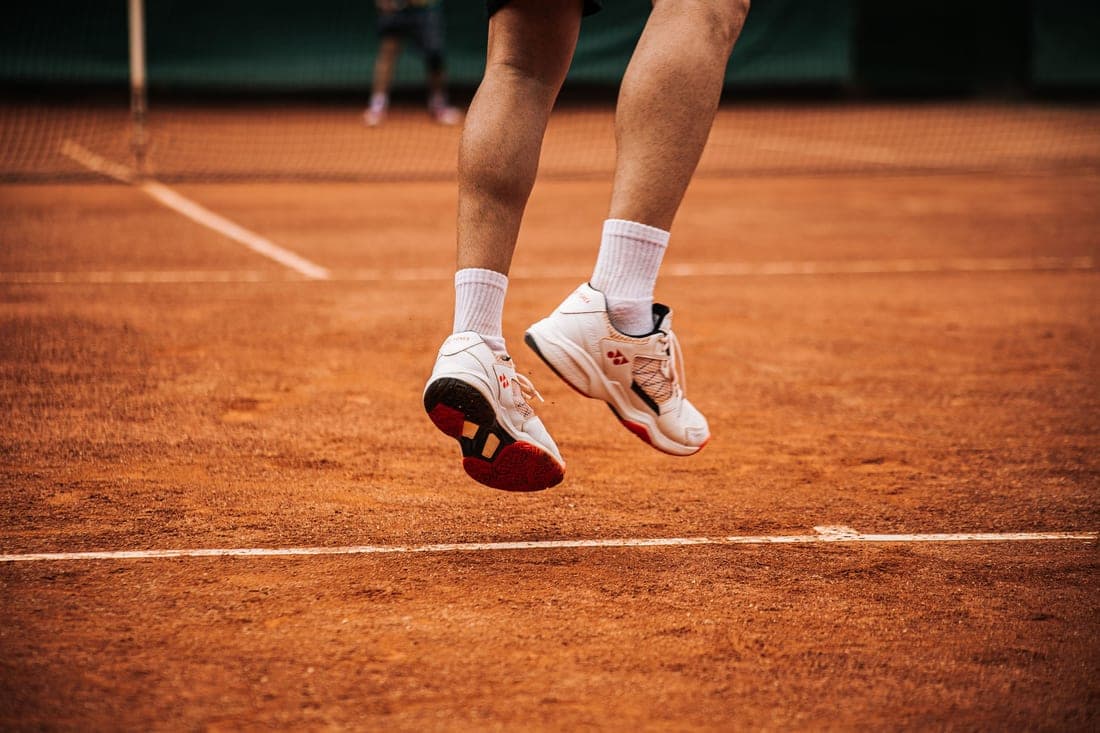 ASICS Court FF 3Top pick | One pair for everything | 8.95 criteria | |
| 2 | adidas SoleMatch Control 2Best mid-price option | Mid-price all-court | 8.25 criteria | |
| 3 | 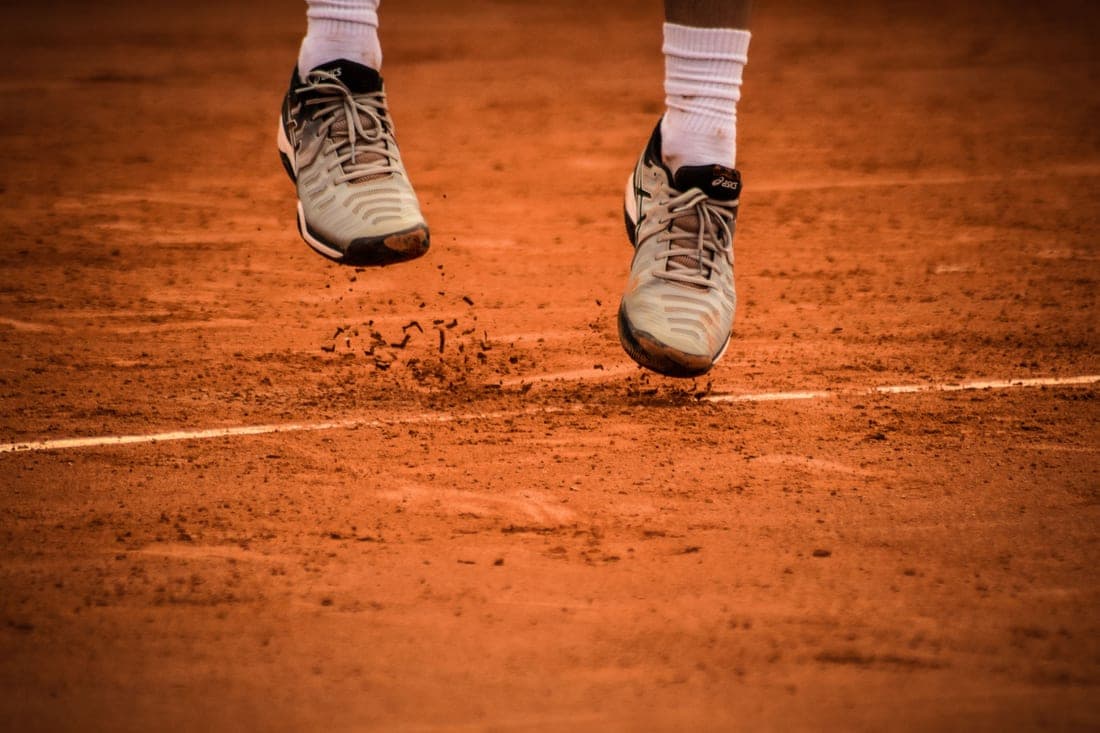 K-Swiss Hypercourt Express 2Best value | Budget all-court | 8.25 criteria | |
| 4 | ASICS GEL-Challenger 15Most supportive budget option | All-court with real structure | 8.05 criteria |
The picks in detail
01ASICS Court FF 3
Top pickBest for: One pair for everything
An all-court shoe has to survive hard courts, because that is where the abrasion is. The Court FF 3 does: 85.3 HC outsole hardness and only 0.4 mm of cavity in RunRepeat's Dremel test, on the highest-scoring shoe in their hard-court set at 93.
Its 101.8 mm forefoot also makes it the most broadly wearable shoe here, which matters more for an all-court pair than for a specialist one — you will be in it for every session rather than for one surface.
It has no outsole guarantee, which RunRepeat call out. On a shoe you intend to use for everything, that is worth knowing before you buy rather than after.
Our score
- Lateral stability
- 8.5
- Cushioning
- 8.0
- Outsole durability
- 8.5
- Fit accommodation
- 9.5
- Lightness
- 6.5
- Overall
- 8.9
Verified specs
- RunRepeat score
- 93 — Best Overall, hard court
- Heel stack
- 28.8 mm
- Forefoot stack
- 20.6 mm
- Toebox width (widest)
- 101.8 mm
- Outsole hardness
- 85.3 HC
- Dremel wear
- 0.4 mm cavity
Specs as published by RunRepeat, checked September 2026.
Buy if
- You want one pair and play on mixed surfaces
- You have a wider forefoot
- You want the best-measured all-round option
Pass if
- You play one surface exclusively
- You want an outsole warranty
- You want the lightest shoe available
02adidas SoleMatch Control 2
Best mid-price optionBest for: Mid-price all-court
RunRepeat score it 84 and list it in their wide-feet catalog. The SoleMatch line is adidas's explicit all-court family, sitting below the Barricade in weight and structure and above their entry shoes in build.
That middle position is genuinely what an all-court buyer wants: enough outsole to survive hard courts, enough tread geometry to be usable on clay, and enough accommodation to fit most feet.
The catalog listing publishes the score and the width classification rather than the full lab breakdown, so we are not quoting measurements beyond those.
Our score
- Lateral stability
- 8.0
- Cushioning
- 7.5
- Outsole durability
- 7.5
- Fit accommodation
- 9.0
- Lightness
- 7.5
- Overall
- 8.2
Verified specs
- RunRepeat score
- 84
- Width fit
- Listed in RunRepeat's wide-feet catalog
Specs as published by RunRepeat, checked September 2026.
Buy if
- You want an all-court shoe without flagship money
- You have a wider forefoot
- You play mostly hard court with occasional clay
Pass if
- You want maximum outsole life
- You need flagship stability
- You want published lab measurements
03K-Swiss Hypercourt Express 2
Best valueBest for: Budget all-court
An 86 score at $110 — about 13% below the category average price according to RunRepeat — makes this the most efficient purchase on the page.
It is lighter than average and appears in the wide-feet catalog, so it is an easy shoe to wear for a club player who is not trying to solve a specific biomechanical problem.
It will not match a flagship on outsole hardness. If you are on court four times a week on abrasive hard courts, spend more; if you are on twice a week across surfaces, this is enough shoe.
Our score
- Lateral stability
- 7.5
- Cushioning
- 7.0
- Outsole durability
- 7.5
- Fit accommodation
- 9.0
- Lightness
- 8.0
- Overall
- 8.2
Verified specs
- RunRepeat score
- 86 — Best Budget, hard court
- Price
- $110, 13% below category typical
- Weight
- Lighter than average
- Width fit
- Listed in RunRepeat's wide-feet catalog
Specs as published by RunRepeat, checked September 2026.
Buy if
- You play once or twice a week
- You want a proper court shoe without flagship spend
- You have wider feet
Pass if
- You play very frequently
- You wear outsoles out quickly
- You need maximum ankle support
04ASICS GEL-Challenger 15
Most supportive budget optionBest for: All-court with real structure
RunRepeat score it 83 and name it their best beginner hard-court shoe, but the structural numbers are what earn it a place here: 5/5 for midsole stiffness and 5/5 for heel counter stiffness. That is flagship-grade structure at a non-flagship price.
It also appears in the wide-feet catalog, which extends how many people it works for.
The cost is weight — RunRepeat describe it as notably heavier than average. For a player who wants support more than speed, that is a fair exchange.
Our score
- Lateral stability
- 9.0
- Cushioning
- 7.5
- Outsole durability
- 7.5
- Fit accommodation
- 8.5
- Lightness
- 5.5
- Overall
- 8.0
Verified specs
- RunRepeat score
- 83 — Best for Beginners
- Midsole stiffness
- 5/5
- Heel counter stiffness
- 5/5
- Weight
- Notably heavier than average
- Width fit
- Listed in RunRepeat's wide-feet catalog
Specs as published by RunRepeat, checked September 2026.
Buy if
- You want support without flagship spend
- You are new to court shoes
- You have wider feet
Pass if
- You want a light, quick shoe
- You want maximum cushioning
- You play one surface exclusively
What all-court actually means
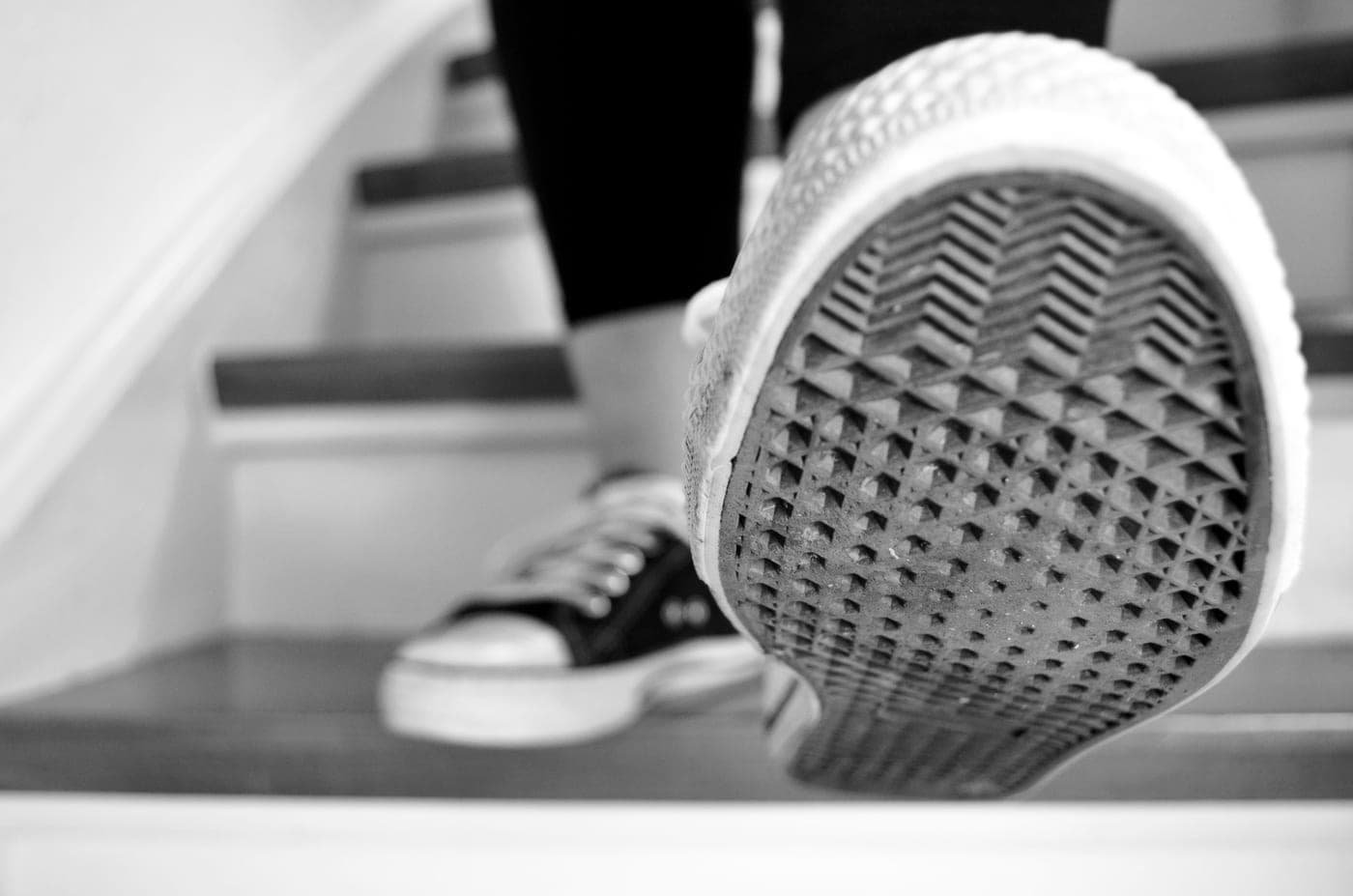
An all-court outsole uses a modified herringbone: the zig-zag ridges are there for grip and shedding, but they are shallower and denser than on a clay shoe and the compound is harder. That combination survives hard-court abrasion while still functioning acceptably on loose surfaces.
| Surface | All-court performance | The specialist alternative |
|---|---|---|
| Hard court | Very good — this is what it is built for | Marginal gain at best |
| Clay / Har-Tru | Acceptable if the tread is not worn flat | Noticeably better grip and shedding |
| Indoor hard | Very good | None needed |
| Indoor carpet | Check the facility's non-marking rule | Dedicated carpet sole |
| Grass | Poor | Studded grass shoe, if you can find one |
The honest summary is that all-court is really a hard-court shoe with a usable clay compromise. If you play predominantly clay, buy clay — see best clay court tennis shoes.
When one pair is the right answer
- You play under three times a week. A second pair will age out before it wears out.
- You play mostly hard court with a few clay outings. The compromise costs you almost nothing.
- You travel to play. One pair in the bag is a genuine practical advantage.
- You are new to the sport. Buy one good pair and learn what you actually need before specializing.
Conversely, once you are on court four or more times a week, two pairs alternated will outlast two pairs used consecutively — midsole foam recovers between sessions, and a day off does measurable good.
The pickleball and padel question
All-court tennis shoes are the standard answer for pickleball on outdoor hard courts. The movement pattern — short, sharp, lateral — is close enough to tennis that nothing needs to change, and it is emphatically better than a running shoe. See tennis shoes vs pickleball shoes.
Padel is a different matter. Most padel is played on sanded artificial turf, which asks for a clay-style or hybrid sole rather than an all-court one. Padel shoes vs tennis shoes explains why, and best padel shoes has the models.
Common questions
Are all-court tennis shoes good on clay?
Acceptable rather than good. RunRepeat's guidance is that recreational players can use all-court shoes on clay as long as the tread is not flat and smooth, but a dedicated clay outsole grips and sheds noticeably better.
Can I use all-court tennis shoes for pickleball?
Yes, and on outdoor hard courts they are the standard choice. The movement pattern is close enough to tennis that nothing needs changing.
Is it worth having two pairs of tennis shoes?
Once you play four or more times a week, yes — alternating pairs lets the midsole foam recover between sessions, which extends the usable life of both. Below that frequency, one good pair is fine.
What is the difference between all-court and hard court shoes?
Less than the marketing suggests. All-court uses a modified herringbone tread that works acceptably on loose surfaces; hard-court models optimize the compound and pattern purely for abrasion resistance. On hard courts the difference is small.
Read next
Sources
- 01RunRepeat — Best Hard Court Tennis Shoes
- 02RunRepeat — Best Tennis Shoes
- 03RunRepeat — Wide tennis shoes catalog
Every source above was retrieved while writing this page. Specifications are quoted from the listing or manufacturer page cited, not from memory.