Review
Babolat Pure Aero 98 2026 review
The Aero platform's control version. A thinner beam and one extra cross string are all it takes to turn a spin frame into something you can aim.
By Janet H.Updated

The short answer
The Pure Aero 98 2026 is a 98 sq in frame at 323 g strung with a 322 swingweight, a 66 RA, a thin 21/23/22 mm beam and a 16x20 pattern. It keeps the Aero family's aerodynamic beam shape while dialing back both of the line's usual power sources.
Disclosure — we earn a commission on qualifying purchases made through links on this page, at no extra cost to you. It never changes which product we rank first. How this site is funded.
Our picks
| # | Product | Best for | Score | Price |
|---|---|---|---|---|
| 1 | 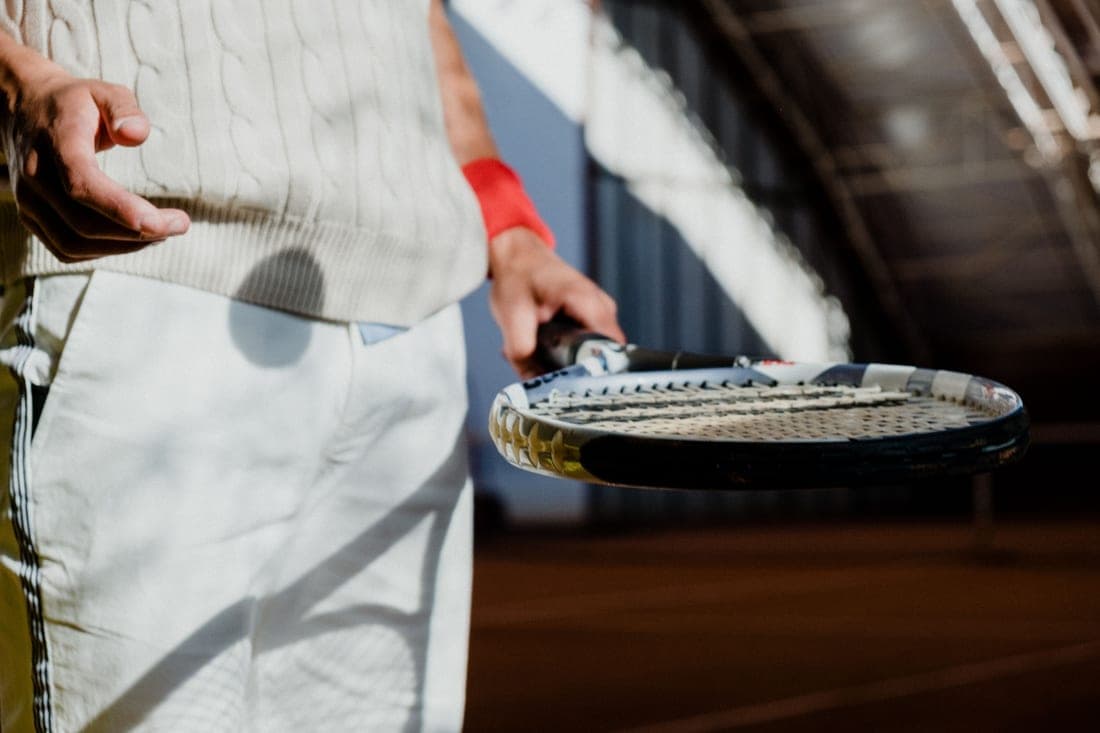 Babolat Pure Aero 98 2026Our verdict | Heavy spin players who miss long | 8.45 criteria |
The picks in detail
01Babolat Pure Aero 98 2026
Our verdictBest for: Heavy spin players who miss long
Two changes from the standard Pure Aero formula do all the work. The beam drops to 21/23/22 mm, which is dramatically thinner than the line's usual profile, and the pattern tightens to 16x20 rather than 16x19. Both reduce launch, which is exactly what a spin player who misses long needs.
What it keeps is the aerodynamic beam shape, which is what lets you swing the frame fast enough to generate the racket-head speed topspin requires. That is the part people mistake for the spin itself.
At 323 g with a 322 swingweight and 6 points head light, the mass distribution is genuinely player-oriented. This is a control frame from the Aero family, not a club frame in a pro paint job.
Our score
- Power
- 8.0
- Control
- 8.5
- Forgiveness
- 7.0
- Arm comfort
- 7.0
- Maneuverability
- 7.5
- Overall
- 8.4
Verified specs
- Head size
- 98 sq in
- Strung weight
- 11.4 oz / 323 g
- Balance
- 6 pts head light
- Swingweight
- 322
- Stiffness (RA)
- 66
- Beam
- 21 / 23 / 22 mm
- String pattern
- 16x20
- Length
- 27 in
Specs as published by Tennis Warehouse, checked September 2026.
Buy if
- You play with heavy topspin and want more precision
- You are coming down from a 100 sq in Aero
- You want a fast-swinging control frame
Pass if
- You have arm sensitivity
- You hit flat
- You want maximum sweet-spot area
The specification
Tennis Warehouse list it at 98 sq in, 11.4 oz / 323 g strung, 6 points head light, 27 inches, with a 322 swingweight, a 66 RA, a 21/23/22 mm beam and a 16x20 pattern in graphite, built as a two-piece frame with no shared holes.
Why one extra cross string matters
The difference between 16x19 and 16x20 sounds trivial and is not. Adding a cross string tightens the spacing of the whole bed, which restricts how far the mains can slide sideways before snapping back.
Snapback is the physical mechanism behind topspin, so restricting it reduces spin — and it also reduces launch angle, because a bed that deforms less returns the ball flatter. For a player generating plenty of spin already, trading a little of it for a measurably lower launch is a good exchange.
For a player who is not generating much spin, it is a bad one. That is the whole selection criterion for this frame.
The aerodynamic beam, explained honestly
The Aero name refers to the beam's cross-sectional shape, which is profiled to reduce drag as the frame moves through the air. The claim is that it lets you swing faster for the same effort, and therefore generate more racket-head speed.
We are not in a position to verify how much difference that makes — we do not have a wind tunnel or a swing-speed rig, and we will not assert a figure we cannot cite. What we can say is that the geometry is real and consistent across the line, and that racket-head speed is genuinely the dominant term in spin generation.
The comfort cost
At 66 RA this is the stiffest of the three control frames we cover. The Blade 98 is 61, the Speed Pro is 61, and the gap is noticeable on off-center contact.
That is the trade this frame makes: it is a control racket built on geometry — thin beam, tight pattern — rather than on flex. If you want the same control ground covered more softly, the Blade 98 is the alternative.
Alternatives
| If you want | Consider | Why |
|---|---|---|
| More comfort | Wilson Blade 98 v10 | 61 RA, 21.5 mm box beam, 16x19 |
| More spin | Yonex VCORE 100 8th Gen | 65 RA, wide grommets, 100 sq in |
| More control | HEAD Speed Pro 2026 | 18x20 in a 100 sq in head |
| More forgiveness | HEAD Extreme MP 2026 | 100 sq in, 318 swingweight, spin grommets |
| More power | Babolat Pure Drive 2025 | 23/26/23 beam, 69 RA |
How this review was written
We did not hit with this product. Racket & Rally does not run a physical test lab, and nothing on this page is written as though we did.
What this review contains instead: the published specification from the retailer listing cited at the foot of the page, an explanation of what those numbers mean for different players, and a clear statement of who the product suits and who it does not. Every figure is quoted from a source we retrieved. Our full selection criteria set out the method.
Common questions
Is the Pure Aero 98 a control racket or a spin racket?
Both, deliberately. It keeps the Aero line's aerodynamic beam for racket-head speed while using a thinner 21/23/22 mm profile and a tighter 16x20 pattern to bring the launch angle down.
Pure Aero 98 or Pure Aero 100?
The 98 is the control version — thinner beam, tighter pattern, smaller head. Choose it if your spin game works but your targeting does not. The 100 sq in versions are more forgiving and higher-launching.
Is the Pure Aero 98 comfortable?
Less so than its direct rivals. At 66 RA it is five points stiffer than both the Blade 98 and the Speed Pro, and it earns its control through geometry rather than flex.
Does a 16x20 pattern reduce spin?
Slightly, yes — an extra cross string restricts how far the mains slide and snap back, and snapback is the mechanism behind topspin. In exchange you get a lower, more repeatable launch angle.
Read next
Sources
- 01Tennis Warehouse — Babolat Pure Aero 98 2026
- 02Tennis Warehouse — Wilson Blade 98 16x19 v10
- 03Tennis Warehouse — HEAD Speed Pro 2026
Every source above was retrieved while writing this page. Specifications are quoted from the listing or manufacturer page cited, not from memory.