Buying guide
Best Wilson Clash alternatives in 2026
At 54 RA the Clash has no true equal, so an honest alternatives page has to tell you what you give up. Here is the one specification each of these frames moves, and what it costs.
By Janet H.Updated
The short answer
The HEAD Speed MP UL 2026 is the closest alternative to the Wilson Clash 100 v3: a 61 RA in the same 100 sq in, 16x19, 27-inch shape, and the lowest stiffness reading of any non-Clash frame here. If you want more free depth, the Yonex EZONE 100 delivers it at 68 RA. If you want more margin for error, the Clash 108 v3 is the in-family answer.
Disclosure — we earn a commission on qualifying purchases made through links on this page, at no extra cost to you. It never changes which product we rank first. How this site is funded.
Our picks
| # | Product | Best for | Score | Price |
|---|---|---|---|---|
| 1 | 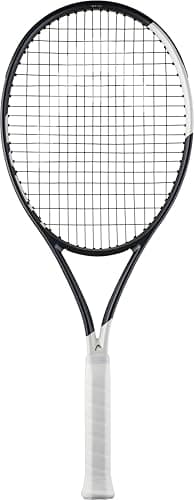 HEAD Speed MP UL 2026Closest match | The closest swap on flex | 8.65 criteria | $199.20 · View on Amazon Price as of November 28, 2026 · was $249.00, 20% off |
| 2 | 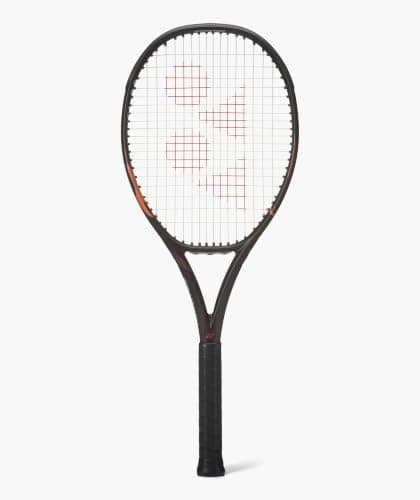 Yonex EZONE 100 (2025)Most power | Clash owners who want free depth | 8.55 criteria | |
| 3 | 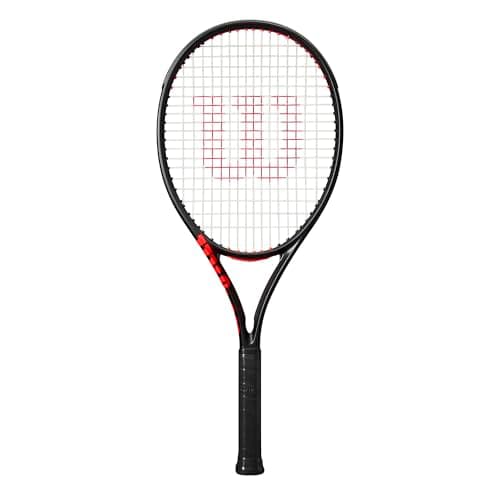 Wilson Clash 108 v3Best value | More margin for error, same family | 8.45 criteria | |
| 4 | 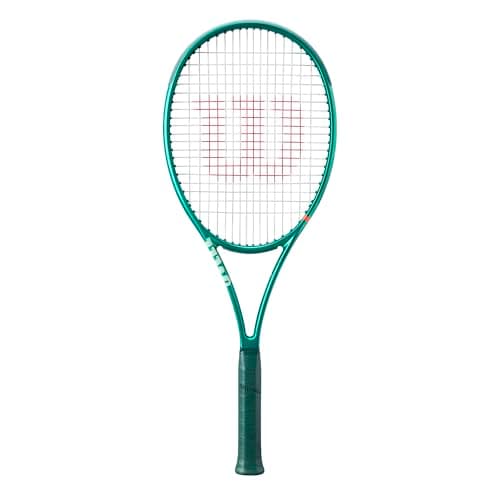 Wilson Blade 98 16x19 v10Best for control | Keeping the flex, adding precision | 8.35 criteria | |
| 5 | 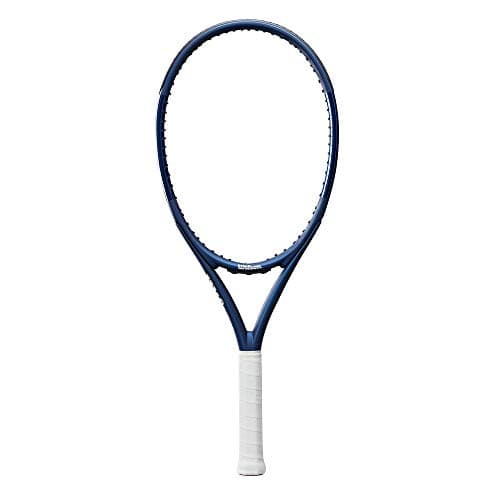 Wilson Triad ThreeMost comfort technology | Arm pain the Clash has not solved | 8.05 criteria | |
| 6 |  Yonex VCORE 100 (8th Gen)Best for spin | More spin and more plow-through | 8.25 criteria |
The picks in detail
01HEAD Speed MP UL 2026
Closest matchBest for: The closest swap on flex
The Clash's defining number is its stiffness, so the closest alternative is the frame that gets nearest to it in the same shape. Tennis Warehouse publish the Speed MP UL 2026 at 61 RA in a 100 sq in head with a 16x19 pattern and a 27-inch length - identical geometry to the Clash 100 v3, seven stiffness points firmer. Nothing else in this comparison is within ten points of the Clash, which tells you how unusual a 54 RA frame actually is.
What you also get is a much easier racket to swing. It is 9.8 oz / 278 g strung with a 291 swingweight, which is 34 g and 17 swingweight points below the Clash - so for a player who likes the Clash's softness but keeps arriving late on the forehand, or who fades physically in a third set, this solves a second problem at the same time. A 23 mm uniform beam is also thinner than the Clash's 24.5 mm, which is part of why it stays soft at a lower weight.
The honest costs are mass and balance. Taking 34 g out takes mass from behind the ball, so it gets pushed around more by a genuinely hard hitter, and the 2-points-head-light balance against the Clash's 7 points means it will not feel the same in your hand even though it weighs less - more of the weight sits toward the hoop. If you want the Clash's flex and its weight, the Blade below is the closer read; if you want the lightest route in, our [best lightweight tennis rackets](/tennis-rackets/best-lightweight) page explains the swingweight arithmetic properly.
Our score
- Power
- 7.0
- Control
- 7.5
- Forgiveness
- 8.0
- Arm comfort
- 8.5
- Maneuverability
- 9.5
- Overall
- 8.6
Verified specs
- Head size
- 100 sq in
- Strung weight
- 9.8 oz / 278 g
- Balance
- 2 pts head light
- Swingweight
- 291
- Stiffness (RA)
- 61
- Beam
- 23 mm uniform
- String pattern
- 16x19
- Length
- 27 in
Specs as published by Tennis Warehouse, checked September 2026.
Buy if
- You want the lowest stiffness available outside the Clash line
- You keep being late on the ball with a 308 swingweight
- You want the same 100 sq in, 16x19 shape
Pass if
- You play against heavy hitters and need mass
- You want the Clash's head-light balance
- Seven RA points is not a trade you want to make
Price as of November 28, 2026 · was $249.00, 20% off
02Yonex EZONE 100 (2025)
Most powerBest for: Clash owners who want free depth
The single most common complaint from Clash players is that depth has to be earned - a soft frame returns less energy to the ball, so a half-committed swing lands short. This is the frame that fixes that while keeping the shape: Tennis Warehouse publish the EZONE 100 at 100 sq in, 11.2 oz / 318 g, 4 points head light, a 315 swingweight, 16x19 and 68 RA.
The weight is within 6 g of the Clash and the swingweight within 7 points, so the amount of racket you are holding barely changes - which is what makes this a swap rather than a different kind of racket. The change is in the response: a 24.5/26.5/23 mm beam on a 68 RA layup gives back far more energy at contact, and on serve in particular that shows up as pace you did not have to generate.
The honest cost is the reason you may have bought a Clash in the first place. Going from 54 RA to 68 RA is fourteen points in the specification most directly tied to how much impact shock reaches your arm, and that is not a small move - if a sore elbow or shoulder is in your history, this is the wrong page entry for you and the Triad or the Clash 108 below are the right ones. Our [Clash vs Pure Drive](/compare/wilson-clash-vs-babolat-pure-drive) comparison sets out the same trade in its sharpest form, and there is a full [Yonex EZONE 100 review](/reviews/yonex-ezone-100-2025).
Our score
- Power
- 8.5
- Control
- 7.5
- Forgiveness
- 8.0
- Arm comfort
- 7.5
- Maneuverability
- 7.5
- Overall
- 8.5
Verified specs
- Head size
- 100 sq in
- Strung weight
- 11.2 oz / 318 g
- Balance
- 4 pts head light
- Swingweight
- 315
- Stiffness (RA)
- 68
- Beam
- 24.5 / 26.5 / 23 mm
- String pattern
- 16x19
- Length
- 27 in
Specs as published by Tennis Warehouse, checked September 2026.
Buy if
- Your shots land short when you do not swing fully
- You want to keep the Clash's weight and swingweight
- Your arm has never given you trouble
Pass if
- Arm comfort is why you bought the Clash
- You want a softer feel at contact
- You already hit the ball long
03Wilson Clash 108 v3
Best valueBest for: More margin for error, same family
Sometimes the thing you want changed is not the feel but the size of the sweet spot, and the answer is in the same family. The Clash 108 v3 is 108 sq in against 100, 10.4 oz / 295 g against 312 g, and 58 RA against 54 - so it keeps almost all of the line's softness while adding eight square inches of hoop and a quarter-inch of extra length at 27.25 inches, which buys free depth on the serve without asking for a faster swing.
It is also the lowest-priced frame on this page by a clear margin, which makes it the obvious first move for a Clash 100 owner who wants more forgiveness rather than a different brand. If you are shopping the Clash line for the first time and you play club doubles once or twice a week, this is arguably the frame to start with and the 100 is the one to graduate to.
Two honest costs. The balance is 1 point head light against the Clash 100's 7 points, and with a 312 swingweight that means it feels heavier in the hoop and slower to turn around on a fast exchange at the net, despite weighing less on the scale. And a 108 sq in head is less precise: the bigger the hoop, the harder it is to place a ball exactly where you aimed it. Our [best oversize tennis rackets](/tennis-rackets/best-oversize) page covers that trade across the category.
Our score
- Power
- 8.0
- Control
- 6.5
- Forgiveness
- 9.5
- Arm comfort
- 9.0
- Maneuverability
- 8.0
- Overall
- 8.4
Verified specs
- Head size
- 108 sq in
- Strung weight
- 10.4 oz / 295 g
- Balance
- 1 pt head light
- Swingweight
- 312
- Stiffness (RA)
- 58
- Beam
- 24.5 mm uniform
- String pattern
- 16x19
- Length
- 27.25 in
Specs as published by Tennis Warehouse, checked September 2026.
Buy if
- You want a bigger sweet spot without leaving the Clash feel
- You want free depth on the serve
- You want the cheapest way into the line
Pass if
- You want a quick frame at the net
- You value precision over margin
- You want the 7-points-head-light balance you are used to
04Wilson Blade 98 16x19 v10
Best for controlBest for: Keeping the flex, adding precision
This is the alternative for the player whose Clash feels good and aims badly. Tennis Warehouse publish the Blade 98 v10 at 61 RA - the same reading as the Speed MP UL, and the second-softest frame in this comparison - on a 21.5/21.5/20.5 mm box beam with a 98 sq in head, 11.4 oz / 323 g, a 322 swingweight and a 16x19 pattern. A thin box beam flexes rather than rebounding, so the ball stays on the string bed a fraction longer and goes where you pointed it.
It also keeps the Clash's weight, which the lighter options on this page do not: 323 g against 312 g, with 11 more swingweight points. For an improving player who is starting to get pushed around at 308, that extra mass is the upgrade rather than the cost. This is the swap that moves you toward a club-competitive frame without going anywhere near a stiff one.
Three honest costs. A 98 sq in head is two square inches smaller than the Clash and the drop in forgiveness on an off-center ball is real. A 322 swingweight asks for a prepared swing - if you are often rushed, you will feel it as lateness. And a box beam gives you less free depth than the Clash's 24.5 mm uniform beam does, so you have to swing fully to get the ball deep. Read our [Wilson Blade 98 v10 review](/reviews/wilson-blade-98-16x19-v10) before committing, and [best tennis rackets for control](/tennis-rackets/best-for-control) for the rest of the category.
Our score
- Power
- 7.0
- Control
- 9.0
- Forgiveness
- 7.0
- Arm comfort
- 8.0
- Maneuverability
- 7.0
- Overall
- 8.3
Verified specs
- Head size
- 98 sq in
- Strung weight
- 11.4 oz / 323 g
- Balance
- 4 pts head light
- Swingweight
- 322
- Stiffness (RA)
- 61
- Beam
- 21.5 / 21.5 / 20.5 mm
- String pattern
- 16x19
- Length
- 27 in
Specs as published by Tennis Warehouse, checked September 2026.
Buy if
- You want to aim the ball, not just hit it
- You want to keep the Clash's weight or add a little
- You have time to prepare your swing
Pass if
- You need a large sweet spot
- You are often late on the ball
- You rely on the frame for depth
05Wilson Triad Three
Most comfort technologyBest for: Arm pain the Clash has not solved
If you bought a Clash for your elbow and it is still sore, the next step is not a softer layup - the Clash is already the softest mainstream layup - it is a frame that isolates the handle from the hoop. That is what the Triad construction does, and Tennis Warehouse carry the Triad Three in their Comfort category rather than in a performance line, which is an accurate description of what it is for.
For a player whose priority is staying on court rather than hitting a bigger ball, this is the most targeted thing Wilson sells, and it keeps you in the brand whose feel you already know. It is also the frame to look at before you consider giving the sport up over an elbow.
The honest cost is information, and it is significant on a page built out of published specifications. The listing we cite gives a category and a price band and does not publish a stiffness reading, a strung weight, a swingweight or a beam width - so unlike every other card here, we cannot tell you where it sits against the Clash's 54 RA and 308 swingweight, and we are not going to estimate. Treat it as the specialist option to demo rather than to buy unseen. The other specialist answer, ProKennex's Ki Q+ 15 with its loose kinetic mass in the frame corners, has no live listing we can send you to at all, which is why it has no card here. Our [best tennis rackets for tennis elbow](/tennis-rackets/best-for-tennis-elbow) page covers the whole category, and [tennis elbow vs golfer's elbow](/guides/tennis-elbow-vs-golfers-elbow) covers identifying what you actually have.
Our score
- Power
- 7.5
- Control
- 6.0
- Forgiveness
- 9.0
- Arm comfort
- 9.5
- Maneuverability
- 7.5
- Overall
- 8.0
Verified specs
- Category
- Listed by Tennis Warehouse under Comfort
- Price band
- Listed at $269 by Tennis Warehouse
Specs as published by Tennis Warehouse, checked September 2026.
Buy if
- A soft frame has not been enough for your arm
- You want comfort engineering, not just low stiffness
- You can demo one before buying
Pass if
- You want published specifications before you spend
- You want a performance frame you can grow into
- Your arm is fine and you want more power or control
06Yonex VCORE 100 (8th Gen)
Best for spinBest for: More spin and more plow-through
A Clash generates less spin than a modern spin frame because a soft, uniform beam does not snap the strings back the way a thick, stiff one does. This is the frame to look at if that is your complaint and you still care about your arm: Tennis Warehouse publish the VCORE 100 at 65 RA, which is the lowest stiffness of any dedicated spin frame in this registry, with a 100 sq in head, 11.2 oz / 318 g and a 325 swingweight on a 24/26/23 mm beam.
The 325 swingweight is the highest number on this page and it is doing real work. More mass resistance at the hoop means more plow-through, so a deep heavy ball comes back deep instead of short - which is precisely the situation where a 308-swingweight Clash gets overpowered. Against a hard hitter this is the most capable frame in the comparison.
Two honest costs. Eleven RA points is a meaningful step up in stiffness from the Clash, so this is not the move if comfort is the whole reason you are on this page. And a 325 swingweight is physically demanding over three sets and punishing when you are rushed - it wants a full shoulder turn every time. Our [best tennis rackets for power and spin](/tennis-rackets/best-for-power-and-spin) page ranks the rest of that field, and [best tennis rackets for advanced players](/tennis-rackets/best-for-advanced) is where frames of this swingweight normally live.
Our score
- Power
- 7.5
- Control
- 8.0
- Forgiveness
- 8.0
- Arm comfort
- 8.0
- Maneuverability
- 7.0
- Overall
- 8.2
Verified specs
- Head size
- 100 sq in
- Strung weight
- 11.2 oz / 318 g
- Balance
- 4 pts head light
- Swingweight
- 325
- Stiffness (RA)
- 65
- Beam
- 24 / 26 / 23 mm
- String pattern
- 16x19
- Length
- 27 in
Specs as published by Tennis Warehouse, checked September 2026.
Buy if
- You want more bite than the Clash gives you
- You get overpowered by heavy hitters
- You swing low to high and brush the ball
Pass if
- Arm comfort is your only priority
- You are often rushed on the ball
- You play mostly doubles at the net
What the Wilson Clash is known for
An alternatives page should start by saying what the original gets right, because that is the thing you are trying not to lose. The Clash is known for one specification above all others, and it is not a marketing number.
Tennis Warehouse publish the Clash 100 v3 at 54 RA. That is the stiffness reading, and in a sport where most 100 sq in frames sit between 64 and 70, fifty-four is an outlier - it is the softest mainstream racket you can buy without giving up a standard midplus shape. The rest of the frame is deliberately normal: 100 sq in, 11 oz / 312 g strung, 7 points head light, a 308 swingweight, a 24.5 mm uniform beam, a 16x19 pattern and a 27-inch length.
The reason that combination was difficult to build is that flex and stability usually trade against each other. A frame that bends absorbs shock, and a frame that bends also twists and loses the ball. The Clash's construction is Wilson's answer to that problem, and whatever you think of the feel, the 54 RA figure in a frame that still holds a 308 swingweight is a genuine engineering result rather than a repositioning of an existing mold.
The four reasons people look for an alternative
Across autocomplete, the forums and the questions we get, the requests sort into four buckets, and each one has a different answer on this page.
- 01Not enough free depth. A 54 RA frame returns less energy to the ball, so a short swing lands short. The answer is the Yonex EZONE 100 - almost the same weight and swingweight, fourteen stiffness points firmer, and far more pace for the same effort.
- 02Too much racket. A 312 g frame with a 308 swingweight is more than some players want, especially late in a match. The answer is the HEAD Speed MP UL 2026 at 278 g and a 291 swingweight, which is also the closest frame here on stiffness at 61 RA.
- 03Not precise enough. A 100 sq in head on a flexible uniform beam is forgiving rather than exact. The answer is the Wilson Blade 98 v10 - the same 61 RA, a thin box beam, 98 sq in and 11 more swingweight points.
- 04Price, or a bigger sweet spot. Both point the same way: the Clash 108 v3, which keeps the family's softness at 58 RA with eight more square inches of hoop and a quarter-inch of extra length, at the lowest price on this page.
The fifth reason, and the one worth being blunt about: if you are shopping because your arm hurts and the Clash has not fixed it, no frame on this page is softer than the one you own. That problem has a different shape, and the section below deals with it.
The specs side by side
The Clash 100 v3 is the top row, as the reference. Every figure is as published by Tennis Warehouse on that frame's own product page.
| Racket | Head size | Strung weight | Swingweight | Stiffness (RA) | What changes vs the Clash 100 v3 |
|---|---|---|---|---|---|
| Wilson Clash 100 v3 (reference) | 100 sq in | 11 oz / 312 g | 308 | 54 | - |
| HEAD Speed MP UL 2026 | 100 sq in | 9.8 oz / 278 g | 291 | 61 | 34 g and 17 swingweight points lighter |
| Yonex EZONE 100 2025 | 100 sq in | 11.2 oz / 318 g | 315 | 68 | Far more free depth, 14 RA firmer |
| Wilson Clash 108 v3 | 108 sq in | 10.4 oz / 295 g | 312 | 58 | 8 sq in more head, 0.25 in longer |
| Wilson Blade 98 16x19 v10 | 98 sq in | 11.4 oz / 323 g | 322 | 61 | Box beam precision, 2 sq in smaller |
| Wilson Triad Three | Not published | Not published | Not published | Not published | Isolated-handle comfort construction |
| Yonex VCORE 100 8th Gen | 100 sq in | 11.2 oz / 318 g | 325 | 65 | Spin layup and 17 more swingweight |
The stiffness column is the one that explains this page. There is no 54 RA alternative, because there is no other mainstream frame built that way - the closest two readings here are 58 inside the Clash family and 61 outside it. That is the honest headline: every swap on this page except the Clash 108 costs you at least seven stiffness points, and what you buy with them is weight, depth, precision or spin.
What the Clash still does better
Three things the original holds against this field. Check them against your own priorities before switching.
- The 54 RA reading itself. Nothing else here is within seven points, and stiffness is the frame specification most directly connected to how much impact shock travels into the wrist, elbow and shoulder. If that is your reason for owning it, the Clash is already the answer.
- Flex with a real swingweight. A 308 swingweight on a 312 g frame means the Clash bends without being flimsy, so it holds its line against pace better than most soft frames do. The lighter alternatives here give that back.
- A 7-points-head-light balance. That is a genuinely maneuverable setup at this weight, which is why the Clash suits doubles and net play better than its spec sheet suggests. Two frames on this page are less head light, and you will feel it when you have to react.
Nothing on this page is here because the Clash is a bad racket - it is one of the few genuinely original frames of the last decade. These six exist because 54 RA has costs, and because not every player is shopping for the thing the Clash is best at. If you are weighing it against the frame it is most often compared to, our Wilson Clash vs Babolat Pure Drive head-to-head is the page for that, and Babolat Pure Drive alternatives runs this exercise from the other direction.
If arm pain is why you are shopping
This deserves its own section because it is the most common reason people buy a Clash, and because the usual advice - get a softer racket - has already been taken by anyone reading this page.
Three things change impact shock, and the frame is only one of them. Strings matter more than most players expect: a stiff polyester at a high tension can undo a soft frame, while a multifilament or a soft synthetic gut at a lower tension does the opposite. Tennis string types, tennis string tension and best tennis strings for tennis elbow cover that properly, and it is far cheaper than a new frame. Dead strings also transmit more shock than fresh ones - how often to restring a tennis racket has the interval.
If all of that is already in place, the next step is construction rather than stiffness: the Wilson Triad Three above isolates the handle from the hoop, and ProKennex's Ki Q+ 15 uses loose kinetic mass inside the frame to damp shock - a genuinely different approach, and the reason that frame has a following among players managing chronic elbow trouble, though we have no live listing to send you to for it. And no racket cures an injury on its own: technique, volume of play and grip size all contribute. Tennis racket grip size is the cheapest of those to check, and tennis elbow vs golfer's elbow will tell you which problem you are solving.
How to pick your alternative
One pass, in order, stopping at the first line that matches you.
- 01If your arm is the reason you are shopping, do not buy anything on this page yet - change strings first, and look at the Wilson Triad Three only if that fails.
- 02If the Clash feels like too much racket late in a match, buy the HEAD Speed MP UL 2026: the closest frame here on stiffness, and 17 swingweight points easier to swing.
- 03If your shots land short unless you swing fully, buy the Yonex EZONE 100 - the same weight class with far more free depth, at fourteen RA points.
- 04If you want more spin and more plow-through and your arm is sound, buy the Yonex VCORE 100 - 65 RA with the highest swingweight here.
- 05If you miss by small margins and want to aim the ball, buy the Wilson Blade 98 v10 - 61 RA on a box beam, with a little more weight than the Clash.
- 06If you want a bigger sweet spot, or simply the cheapest way to stay in the line, buy the Wilson Clash 108 v3.
Demo before you commit if your club allows it: all six of these are common enough that a demo rack will have most of them, and a frame that reads well on paper can still feel wrong in the hand. Settle grip size first - tennis racket grip size has the measurement - and if none of the four reasons above is really your reason, how to choose a tennis racket walks the decision from the beginning.
How these picks were made
Racket & Rally does not run a test lab. Nothing on this page is written as though we had worn, swung or measured anything ourselves, because we have not. What we do is read the published specifications, the independent lab results and the retailer listings cited at the foot of the page, set them against each other, and say which differences change something you will actually notice.
Every product here was confirmed on sale when its registry entry was built, and every claim traces to one of the sources listed at the bottom. Our full selection criteria set out the method, and the editorial policy covers corrections and how often pages are revisited. Where a brand or a listing does not state a figure, we say that rather than filling the gap.
Common questions
What is the closest racket to the Wilson Clash 100?
The HEAD Speed MP UL 2026 on the specification that matters most: 61 RA against the Clash's 54, in the same 100 sq in head with the same 16x19 pattern and the same 27-inch length. Nothing else outside the Clash family is within seven stiffness points. The difference is weight - 278 g and a 291 swingweight against 312 g and 308.
Is there a more powerful alternative to the Wilson Clash?
Yes, and it is the usual swap: the Yonex EZONE 100, published at 318 g with a 315 swingweight and a 68 RA. The weight and swingweight land within a few points of the Clash, so the racket in your hand feels like a similar amount of frame - what changes is how much energy comes back off the string bed. The cost is fourteen stiffness points.
What is a cheaper alternative to the Wilson Clash?
Inside the line, the Clash 108 v3 - 58 RA, 108 sq in, 295 g, and the lowest-priced frame on this page. Outside it there is no genuinely soft budget frame to recommend: entry-price rackets are stiff because stiff layups are cheap to make, with the HEAD Ti.S6 at 71 RA and the Babolat Boost Drive at 65. If budget is the hard constraint, read best tennis rackets under $100 with that trade in mind.
Clash 100 or Clash 108 - which should I buy?
The 100 if you want precision and a head-light, maneuverable frame; the 108 if you want a bigger sweet spot and free depth on the serve. The 108 is 8 sq in larger, 17 g lighter, a quarter-inch longer and 4 RA firmer, and its 1-point-head-light balance makes it feel heavier in the hoop despite the lower scale weight. Club doubles players who play once or twice a week usually get more out of the 108.
Is the Wilson Clash good for tennis elbow?
It is the softest mainstream frame on the market at 54 RA, and stiffness is the racket specification most directly linked to impact shock - so it is a sensible frame to own if you have had symptoms. But no racket cures an injury on its own: strings, tension, grip size, technique and how much you play all matter. Best tennis rackets for tennis elbow covers the frames and tennis elbow vs golfer's elbow covers identifying the problem.
Which Clash alternative gives the most control?
The Wilson Blade 98 16x19 v10. It holds a 61 RA - close to the Clash by the standards of this field - on a 21.5/21.5/20.5 mm box beam with a 98 sq in head, 323 g and a 322 swingweight. A thin box beam flexes rather than rebounding, which is what makes the ball land where you aimed it. The cost is a smaller sweet spot and a more demanding swingweight.
Is the Wilson Clash good for beginners?
It works for a developing player: a 100 sq in head and a soft, forgiving response are both beginner-friendly, and 312 g with a 7-points-head-light balance is manageable. The catch is that a flexible frame gives less free depth, so a beginner with a short swing may find the ball landing short. The Clash 108 v3 or a lighter frame is often the better first racket - see best tennis rackets for beginners.
Should I change rackets or just change strings?
Change strings first if the complaint is feel, comfort or a dead response - a soft multifilament at a lower tension changes impact feel substantially for a fraction of a new frame's cost, and worn strings alone account for more lost performance than most players realize. Change frames when the thing you want moved is a published specification - stiffness, weight, swingweight, head size - that strings cannot move.
Read next
Sources
- 01Tennis Warehouse - Wilson Clash 100 v3 specifications
- 02Tennis Warehouse - Wilson Clash 108 v3 specifications
- 03Tennis Warehouse - HEAD Speed MP UL 2026 specifications
- 04Tennis Warehouse - Yonex EZONE 100 2025 specifications
- 05Tennis Warehouse - Wilson Blade 98 16x19 v10 specifications
- 06Tennis Warehouse - Yonex VCORE 100 8th Gen specifications
- 07Tennis Warehouse - ProKennex Ki Q+ 15 specifications
- 08Tennis Warehouse - beginner and comfort racket category
Every source above was retrieved while writing this page. Specifications are quoted from the listing or manufacturer page cited, not from memory.