Buying guide
Best ASICS GEL-Resolution alternatives in 2026
The Resolution is the stability benchmark, and the complaints about it are always the same three: too heavy, too narrow, not enough under the forefoot. Each shoe here fixes exactly one of them.
By Janet H.Updated
The short answer
The ASICS Court FF 3 is the closest alternative to the GEL-Resolution: RunRepeat score it 93 against the Resolution X's 90, with the same 5/5 torsional rigidity and more forefoot cushioning. If weight is the complaint, the Solution Speed FF 4 is 80 g lighter. If cushioning is, the CT-Rally v2 measured 116 SA at the heel against the Resolution's 98 SA.
Disclosure — we earn a commission on qualifying purchases made through links on this page, at no extra cost to you. It never changes which product we rank first. How this site is funded.
Our picks
| # | Product | Best for | Score | Price |
|---|---|---|---|---|
| 1 | 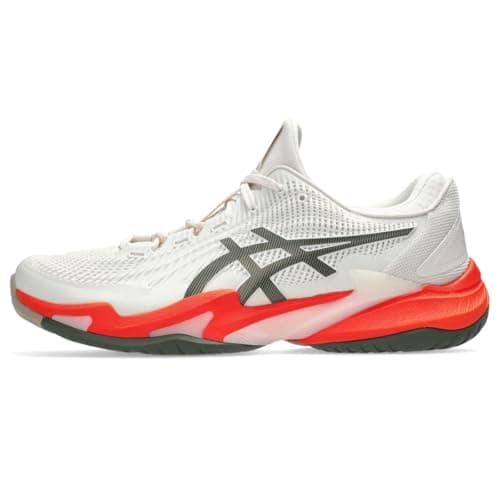 ASICS Court FF 3Closest match | Resolution owners who dislike the collar or the sizing | 8.75 criteria | |
| 2 | 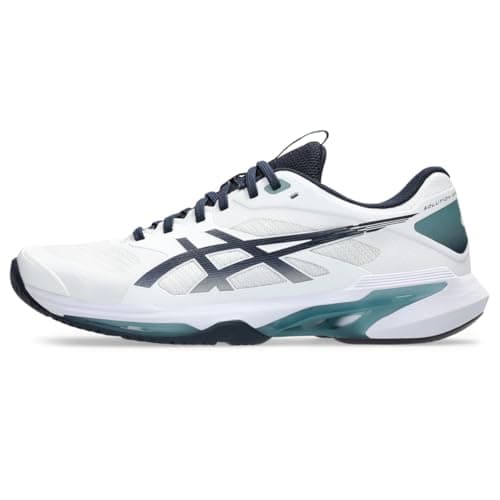 ASICS Solution Speed FF 4Lightest alternative | Resolution owners who find it too much shoe | 8.55 criteria | |
| 3 | 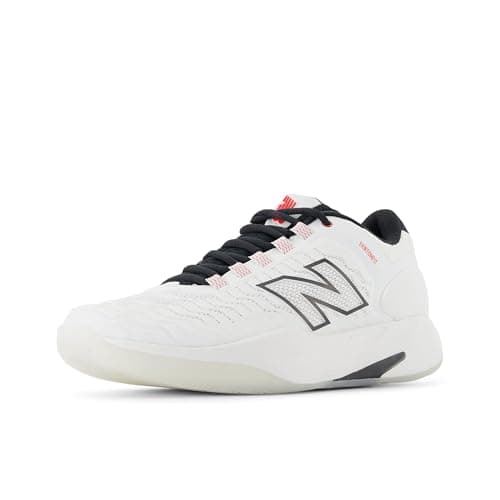 New Balance Fresh Foam X CT-Rally v2Most cushioning | Joints that complain after a long match | 8.55 criteria | $127.79 · View on Amazon Price as of November 28, 2026 · was $149.99, 15% off |
| 4 | 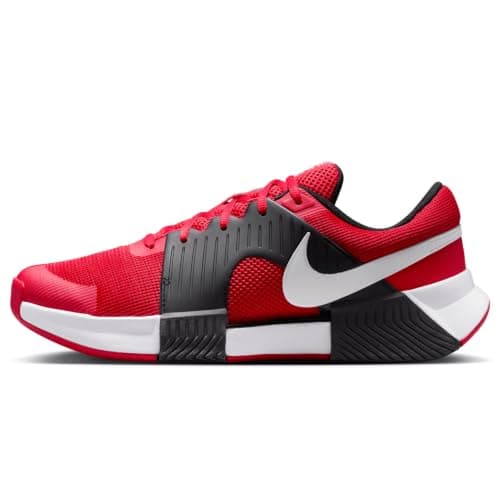 Nike Zoom GP Challenge 1Most rebound | Keeping the structure, changing the ride | 8.35 criteria | |
| 5 | 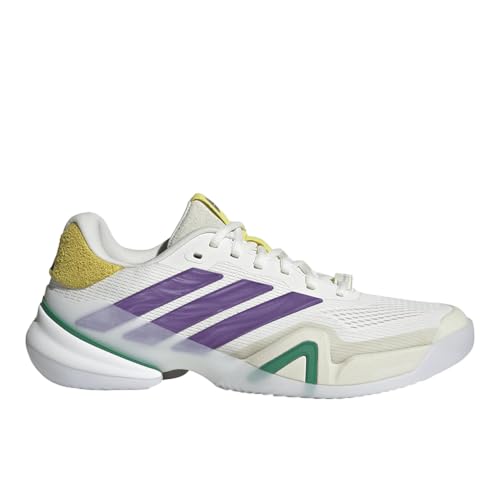 adidas Barricade 14Best court feel | Stability players who want to feel the court | 8.05 criteria | $99.89 · View on Amazon Price as of November 28, 2026 · was $109.94, 9% off |
| 6 | 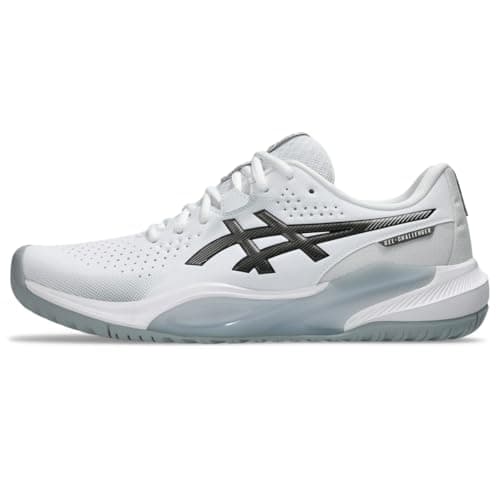 ASICS GEL-Challenger 15Best value | The stiff chassis without the flagship price | 7.95 criteria |
The picks in detail
01ASICS Court FF 3
Closest matchBest for: Resolution owners who dislike the collar or the sizing
RunRepeat name this shoe themselves as the first place to look if you are unsure about the Resolution X's raised collar or its fit and sizing - more expensive, they write, but it feels equally stable. The lab work supports that rather than just the sentiment. Torsional rigidity scored the maximum 5/5 against a 4.5 category average, which is the same full mark the Resolution X earns, and at 93 this is their top-scoring tennis shoe outright. You are not stepping down in structure to get a different upper, which is what usually happens when a player leaves a stability flagship.
Two measurements show where the money goes. The forefoot returned 77 SA of shock absorption, which RunRepeat describe as unusually high, on a 32.2 mm heel and 21.8 mm forefoot stack for a 10.4 mm drop - a thicker heel than the Resolution X's 30.8 mm, so this is the more cushioned of the two rather than the firmer. And the toebox scored 5/5 for durability against a 3.7 average: twelve seconds of Dremel at 5,000 rpm did not get halfway through the shell. If you drag a toe on serve, that is the part of a court shoe that fails first and the most expensive one to lose.
Three honest costs, all of them measured. RunRepeat list "not for wide feet" as a con - the one-piece Mono-Sock upper measures 92.2 mm at its widest point, which is exactly average, and 66.2 mm at the big toe, a few millimeters narrower than average - and they send wide-footed players back to a Resolution rather than to this. The heel lining is the other weak spot, scoring 2/5 for padding durability after four seconds of the same abrasion test. And energy return is below average at 42.1 percent heel and 42.5 percent forefoot against a 50.2 percent average, so it plays planted rather than springy. At 14.3 oz / 406 g it is also only 11 g lighter than the shoe you are replacing: this swap changes the upper and the cushioning, not the weight.
Our score
- Lateral stability
- 9.5
- Cushioning
- 8.0
- Outsole durability
- 8.5
- Fit accommodation
- 5.0
- Lightness
- 5.0
- Overall
- 8.7
Verified specs
- RunRepeat score
- 93 — Top pick, best tennis shoes
- Weight
- 14.3 oz / 406 g
- Heel / forefoot stack
- 32.2 mm / 21.8 mm
- Drop
- 10.4 mm
- Torsional rigidity
- 5/5 (average 4.5)
- Heel counter stiffness
- 4/5 (average 4.2)
- Shock absorption
- 100 SA heel / 77 SA forefoot
- Energy return
- 42.1% heel / 42.5% forefoot (average 50.2%)
- Outsole hardness
- 85.3 HC
- Toebox width
- 92.2 mm widest / 66.2 mm at the big toe
- Toebox durability
- 5/5 (average 3.7)
- Heel padding durability
- 2/5 (average 3.2)
- Fit note
- RunRepeat: not for wide feet
Specs as published by RunRepeat, checked September 2026.
Buy if
- The raised collar or the sizing is what you dislike
- You want more forefoot cushioning without losing 5/5 torsional rigidity
- You drag your toe and want a 5/5 toebox
Pass if
- You have wide feet or bunions
- Weight is your main complaint
- You want a springy, high-energy-return ride
02ASICS Solution Speed FF 4
Lightest alternativeBest for: Resolution owners who find it too much shoe
The most common complaint about the GEL-Resolution is weight, and this is the answer inside the same brand. RunRepeat measured the Resolution X at 14.7 oz / 417 g and the Solution Speed FF 4 at 11.9 oz / 337 g - 80 g off each foot, which over a three-set match is the difference you notice in your legs rather than in your hands. They score it 90 and award it best for speed.
What makes it a credible swap rather than merely a lighter shoe is grip. Traction measured 1.11, which RunRepeat put at 46 percent above the category average, and the abrasion test came in 0.3 mm shallower than average. Light court shoes normally buy their weight saving out of the outsole, and this one did not: you are giving up mass, not rubber. For a player whose Resolution is wearing out on the plant foot rather than feeling unstable, that combination is the one to want.
The honest cost is the chassis. This is ASICS' speed platform, not their stability platform, and our source does not publish torsional-rigidity or heel-counter numbers for it - so you are trading a measured 5/5 pair on the Resolution for figures that are not in evidence here. If you have ever rolled an ankle, do not make this swap on the basis of weight alone; our [tennis shoes for ankle support](/tennis-shoes/best-for-ankle-support) page ranks on exactly those two measurements instead.
Our score
- Lateral stability
- 7.5
- Cushioning
- 7.5
- Outsole durability
- 8.5
- Fit accommodation
- 7.5
- Lightness
- 8.5
- Overall
- 8.5
Verified specs
- RunRepeat score
- 90 — Best for Speed
- Weight
- 11.9 oz / 337 g
- Traction
- 1.11, 46% above average
- Dremel wear
- 0.3 mm less damage than average
Specs as published by RunRepeat, checked September 2026.
Buy if
- Weight is the specific thing you want changed
- You want grip and durability figures to stay high
- Your game is built on covering ground
Pass if
- Ankle history is the reason you bought a Resolution
- You want a published torsional-rigidity number
- You want more cushioning as well as less weight
03New Balance Fresh Foam X CT-Rally v2
Most cushioningBest for: Joints that complain after a long match
The Resolution X is not a harsh shoe - 98 SA at the heel is a solid figure - but it is not a plush one either, and for players whose knees or heels are the limiting factor the gap here is large. RunRepeat recorded 116 SA of heel shock absorption on the CT-Rally v2, the highest reading in their hard-court set, on a 33.3 mm heel stack against the Resolution's 30.8 mm. They score it 92 and name it best shock absorption.
The part that makes it a stability player's cushioning shoe rather than just a soft shoe is the torsional result: 5/5, the same score the Resolution X earns. Most shoes that add this much foam give the midfoot away, and this one kept it. That is the whole reason it sits above the softer options on this page for somebody coming off a Resolution.
Two honest costs. The forefoot is 20.2 mm with 78 SA of shock absorption, so almost all the gain is at the heel - if your pain is under the ball of the foot rather than the heel, this swap solves less than the headline figure suggests. And a 33.3 mm heel raises you further off the court, which asks more of the heel counter on a hard slide. Our source does not publish an outsole hardness or abrasion figure for it, so longevity is the unknown on this card. [Best tennis shoes for plantar fasciitis](/tennis-shoes/best-for-plantar-fasciitis) covers the heel-pain category in full.
Our score
- Lateral stability
- 8.5
- Cushioning
- 9.5
- Outsole durability
- 7.0
- Fit accommodation
- 7.5
- Lightness
- 7.0
- Overall
- 8.5
Verified specs
- RunRepeat score
- 92 — Best Shock Absorption
- Heel stack
- 33.3 mm
- Forefoot stack
- 20.2 mm
- Heel shock absorption
- 116 SA
- Forefoot shock absorption
- 78 SA
- Torsional rigidity
- 5/5
Specs as published by RunRepeat, checked September 2026.
Buy if
- Heel impact is what ends your matches
- You want to keep a 5/5 torsional figure
- You are coming off a thinner, firmer shoe
Pass if
- Your pain is in the forefoot
- You want maximum court feel
- You want published outsole-wear data
Price as of November 28, 2026 · was $149.99, 15% off
04Nike Zoom GP Challenge 1
Most reboundBest for: Keeping the structure, changing the ride
This is the swap for a player who likes everything the Resolution does and simply wants a livelier shoe under them. It is the one alternative here that matches the Resolution X on the measurement that defines it: a 5/5 torsional rigidity score, with a 4/5 heel counter. RunRepeat score it 88 and award it best energy return, and it also appears in their wide-feet catalog, so the fit is more accommodating than a tour-level Nike usually is.
Weight is the giveaway that this is a like-for-like structural trade rather than a lightening exercise: 14.71 oz / 417 g, which is the Resolution X's figure almost to the gram. Nothing about the amount of shoe under you changes. What changes is what the midsole gives back, which is the only variable on the card.
Three honest costs, and the first two are the ones you already have. It is just as heavy as the shoe you are replacing, so if weight is your complaint this page has two better answers above. Its heel counter is 4/5 against the Resolution's 5/5 - a small step down in the figure most tied to rearfoot lockdown. And it is the most expensive shoe on this page, the only one that sits above the premium band the others share, so you are paying more for a sideways move. The [best hard court tennis shoes](/tennis-shoes/best-for-hard-court) roundup sets it against the rest of the premium field.
Our score
- Lateral stability
- 9.0
- Cushioning
- 8.0
- Outsole durability
- 7.5
- Fit accommodation
- 8.5
- Lightness
- 5.0
- Overall
- 8.3
Verified specs
- RunRepeat score
- 88 — Best Energy Return
- Weight
- 14.71 oz / 417 g
- Torsional rigidity
- 5/5
- Heel counter stiffness
- 4/5
- Width fit
- Listed in RunRepeat's wide-feet catalog
Specs as published by RunRepeat, checked September 2026.
Buy if
- You want a springier ride and nothing else changed
- You want a published 5/5 torsional score
- Nike lasts have fitted you in the past
Pass if
- Weight is your complaint
- You want maximum rearfoot lockdown
- You are price sensitive
05adidas Barricade 14
Best court feelBest for: Stability players who want to feel the court
The Barricade is the other line in tennis built stability-first, so for a Resolution owner it is the natural cross-brand look - and the thing it changes is how far off the ground you stand. RunRepeat award it best court feel on a 26.3 mm heel and a 14.4 mm forefoot, which is 4.5 mm and 7.5 mm lower than the Resolution X at the two ends. A low, grounded platform gives you a much clearer sense of where your weight is, which is worth more than cushioning to players who slide into shots and push off hard.
It is also the cheapest route into a stability-first chassis on this page, because the Barricade line is deep enough that the current generation routinely sits below the Resolution's band. For a player who wants a second pair in rotation rather than a replacement, that matters: two pairs alternated outlast two pairs worn to death one after the other.
The honest cost is cushioning, and it is severe. Forefoot shock absorption measured 47 SA against a category average near 99 SA - less than half the protection under the ball of the foot, on the lowest forefoot stack here. If you have any forefoot or heel sensitivity this is the wrong shoe at any price, and the CT-Rally v2 above is the opposite end of the same decision. Our source does not publish a weight figure for it either, and Barricades have historically not been light.
Our score
- Lateral stability
- 9.0
- Cushioning
- 4.5
- Outsole durability
- 8.0
- Fit accommodation
- 7.0
- Lightness
- 6.0
- Overall
- 8.0
Verified specs
- RunRepeat award
- Best Court Feel
- Heel stack
- 26.3 mm
- Forefoot stack
- 14.4 mm
- Heel shock absorption
- 89 SA
- Forefoot shock absorption
- 47 SA
- Forefoot traction
- 0.84 friction coefficient (average 0.78 across 47 shoes), Lighttraxion outsole
- Platform width
- 116.8 mm forefoot / 93.6 mm heel (average 112.5 / 89.7)
- Torsional rigidity
- 13.4 Nm (average 18.1 Nm)
- Dremel wear
- 2.6 mm, the worst result in RunRepeat's category
Specs as published by RunRepeat, checked September 2026.
Buy if
- You want to feel the court rather than float above it
- You slide and push off aggressively
- You want a stability chassis below the premium band
Pass if
- You have forefoot or heel sensitivity
- You play long matches on concrete
- You want a light shoe
Price as of November 28, 2026 · was $109.94, 9% off
06ASICS GEL-Challenger 15
Best valueBest for: The stiff chassis without the flagship price
If price is the reason you are looking, this is the honest answer, and it is the only shoe here that keeps the two measurements that make a Resolution a Resolution. RunRepeat record 5/5 for midsole stiffness and 5/5 for heel counter stiffness - the structural pair - and they also list it in their wide-feet catalog, so width is not something you give up by spending less. They score it 83 and name it best for beginners, which undersells what it is: a stiff, supportive chassis at the bottom of the mid band.
For a club player who plays once or twice a week and resents what a flagship costs per month, this is the shoe that keeps the thing you were paying for. It is also the sensible second pair: keep the Resolution for match days and put the practice hours on this one.
Two honest costs. It is the lowest-scoring shoe on this page at 83, and RunRepeat describe it as notably heavier than average - so you are not solving the Resolution's weight problem here, you are accepting it at a lower price. And the published data thins out at this tier: no traction coefficient, no abrasion figure and no stack measurement, so outsole life is unknown. If weight is the complaint, go back up to the Solution Speed FF 4; if money is, this is the one. Our [best tennis shoes under $150](/tennis-shoes/best-under-150) page sets it against the rest of that bracket, and there is a full [GEL-Challenger 15 review](/reviews/asics-gel-challenger-15).
Our score
- Lateral stability
- 9.0
- Cushioning
- 6.5
- Outsole durability
- 7.5
- Fit accommodation
- 8.5
- Lightness
- 5.5
- Overall
- 7.9
Verified specs
- RunRepeat score
- 83 — Best for Beginners
- Midsole stiffness
- 5/5
- Heel counter stiffness
- 5/5
- Weight
- Notably heavier than average
- Width fit
- Listed in RunRepeat's wide-feet catalog
Specs as published by RunRepeat, checked September 2026.
Buy if
- Price is the specific thing you want changed
- You want a 5/5 heel counter and midsole
- You need a wider fit than the flagship offers
Pass if
- You want a light shoe
- You want published traction and wear figures
- You play four or more times a week
What the GEL-Resolution is known for
An alternatives page is only useful if it starts by naming what the original does well, because that is the thing you are trying not to lose. The ASICS GEL-Resolution has been the default stability court shoe for club and college players for a decade, and it earns that on measurements rather than on reputation.
RunRepeat's lab report on the current GEL-Resolution X scores it 90 and awards it best stability, and the figures behind that award are specific. Torsional rigidity: 5 out of 5. Heel counter stiffness: 5 out of 5. Those are the two measurements most directly tied to whether a shoe lets your foot twist under a hard change of direction, and the Resolution X takes full marks on both. The outsole read 90.4 HC on the durometer - harder than average - and gave up 0.6 mm of depth in the abrasion test. The stack is 30.8 mm at the heel and 21.9 mm at the forefoot for an 8.9 mm drop, with 98 SA of heel shock absorption. It weighs 14.7 oz / 417 g in a men's 9.
Read that list again and the trade is obvious: every one of those strengths is a consequence of building a shoe that holds the foot still, and holding the foot still takes material. The 417 g is not a design oversight, it is the bill for the two 5/5 scores. Which is why the complaints about the Resolution are always the same three, and why each shoe on this page changes one of them rather than all of them at once.
The four reasons people look for an alternative
Sorted by how often they come up, each with a different answer on this page.
- 01Weight. "Heavier than most tennis shoes" is one of RunRepeat's own four criticisms of it, and 14.7 oz / 417 g is the figure behind that. The players who notice are the ones covering the most ground. The answer is the ASICS Solution Speed FF 4 at 11.9 oz / 337 g - 80 g lighter, on the same brand's last, with a traction figure 46 percent above average so nothing is given back on grip.
- 02The upper, the sizing and the break-in. Three of RunRepeat's four criticisms are about living with the shoe rather than playing in it: unusual fit and sizing, a raised collar they call a mixed bag, and a long break-in period. The answer is their own: the ASICS Court FF 3, which holds the same 5/5 torsional rigidity score on a conventional containment upper - unless your issue is width, in which case see the note below.
- 03Cushioning. The Resolution X runs a firm midsole and its 98 SA heel figure is normal rather than plush. The answer is the New Balance Fresh Foam X CT-Rally v2 at 116 SA on a 33.3 mm heel stack, which keeps the 5/5 torsional score the Resolution has.
- 04Price. A flagship stability shoe costs flagship money. The answer is the ASICS GEL-Challenger 15, which holds the 5/5 midsole and heel-counter pair at the bottom of the mid band and gives up score, weight and published data to get there.
One reason that is NOT on that list, and should not be: width across the ball of the foot. RunRepeat put "perfect for wide feet" in the Resolution X's pros and name wide feet, bunions and a preference for a roomier fit among the players it suits - its toebox measures 96.9 mm at the widest point, among the widest figures they have ever recorded in a tennis shoe. The one genuine fit caveat is the other end of the same toebox: 66.6 mm at the big toe against a 69.3 mm average, which they say can feel snug. If that is where your shoe pinches, the widest big-toe figure in our registry belongs to the adidas GameCourt 2 at 72.9 mm, on our best tennis shoes under $100 page - an entry-tier shoe, with everything that implies.
And a last reason worth naming: the shoe is simply worn out and you fancy something else. That is a fine reason to read this page and a poor reason to leave the line - if the Resolution has been working, the cheapest good decision available is another pair of the same thing.
The specs side by side
The GEL-Resolution X is the top row, as the reference. Every figure is a RunRepeat lab measurement from the pages cited in Sources - and where they have not published one, the cell says so rather than guessing.
| Shoe | RunRepeat score | Weight (men's 9) | Heel / forefoot stack | What changes vs the GEL-Resolution X |
|---|---|---|---|---|
| ASICS GEL-Resolution X (reference) | 90 - Best Stability | 14.7 oz / 417 g | 30.8 / 21.9 mm | - |
| ASICS Court FF 3 | 93 - Top pick, best tennis shoes | 14.3 oz / 406 g | 32.2 / 21.8 mm | Conventional upper, 77 SA forefoot - not for wide feet |
| ASICS Solution Speed FF 4 | 90 - Best for Speed | 11.9 oz / 337 g | Not published | 80 g lighter, 1.11 traction coefficient |
| New Balance Fresh Foam X CT-Rally v2 | 92 - Best Shock Absorption | Not published | 33.3 / 20.2 mm | 116 SA heel against 98 SA |
| Nike Zoom GP Challenge 1 | 88 - Best Energy Return | 14.71 oz / 417 g | Not published | Same weight and 5/5 torsional, livelier midsole |
| adidas Barricade 14 | Best Court Feel | Not published | 26.3 / 14.4 mm | 7.5 mm lower forefoot, 47 SA forefoot |
| ASICS GEL-Challenger 15 | 83 - Best for Beginners | Heavier than average | Not published | 5/5 midsole and heel counter at a lower price |
The column to read is the last one. One shoe changes width, one changes weight, one changes cushioning, one changes the ride at identical weight, one changes stack height, one changes price. Nothing on this page changes two things at once, because a swap that moves two variables leaves you unable to say which one you were actually buying.
What the GEL-Resolution still does better
Three things the original holds against this field, and you should check them against your own priorities before switching.
- The measured structural pair. A 5/5 torsional rigidity score alongside a 5/5 heel counter stiffness score is published for the Resolution X alone in this comparison - the Court FF 3 matches the torsional mark but takes 4/5 at the heel. If your reason for buying a stability shoe is a history of rolled ankles, that pair is the whole product.
- Width at the ball of the foot. RunRepeat list "perfect for wide feet" among its pros, on a 96.9 mm widest-point measurement that is among the widest they have recorded in tennis, and they redirect wide-footed Court FF 3 shoppers to this shoe rather than the other way round. No alternative on this page improves on that.
- Outsole hardness and durability. The 90.4 HC durometer reading is the hardest here, hardness is what resists hard-court abrasion, and "unbeatable durability" and "fantastic outsole traction" are both in RunRepeat's pros for it.
- One chassis, two surfaces. The line runs a clay version as well, and its lab report carries a six-month outsole guarantee - so a player who splits a season between surfaces can keep the same fit and lockdown on both. None of the alternatives here offers the same pairing.
Worth saying plainly: nothing on this page is here because the GEL-Resolution is a bad shoe. It is the most measured stability shoe in tennis and it wins its category on the numbers. The six alternatives exist because stability has a price in grams, in width and in money, and not every player should pay all three.
If you play on clay
Everything above is read on hard-court terms, because that is where most of these shoes are sold and where the lab work is done. On clay the decision changes: the tread pattern does more for you than the chassis does, and a full herringbone outsole is not optional.
The clay version of this exact chassis is the ASICS GEL-Resolution 9 Clay, and its own lab report is the most thorough clay teardown in the category - a 0.82 traction coefficient, a 5/5 torsional score and a six-month outsole guarantee. We have not given it a card on this page because we have no live retail listing to send you to, and we do not link to shoes we cannot see in stock. The two clay options we can: the adidas Barricade 13 Clay, which puts the Barricade chassis on a clay outsole and is in RunRepeat's wide-feet catalog, and the ASICS Solution Speed FF 3 Clay, which is the speed platform's clay version and the lighter choice.
Our best clay court tennis shoes roundup ranks that field properly, and can you wear clay court shoes on hard court answers the question people ask next.
How to pick your alternative
One pass, in order, stopping at the first line that matches you.
- 01If your complaint is width across the ball of the foot, do not leave at all - RunRepeat call the Resolution X perfect for wide feet, and nothing here improves on its 96.9 mm.
- 02If the raised collar, the sizing or the break-in is what you dislike, buy the ASICS Court FF 3 - RunRepeat's own recommendation for exactly that complaint, at a higher 93 score with the same 5/5 torsional rigidity. Not if your feet are wide.
- 03If the weight is what you notice in the third set, buy the ASICS Solution Speed FF 4 - 80 g lighter with grip 46 percent above average.
- 04If your heels or knees end the match before your legs do, buy the New Balance CT-Rally v2 at 116 SA, and keep the 5/5 torsional score you already have.
- 05If you want the Resolution's structure with a livelier ride and weight is not your issue, buy the Nike Zoom GP Challenge 1 - 5/5 torsional at the same 417 g.
- 06If you want to feel the court and your forefoot is not sensitive, buy the adidas Barricade 14, and read the 47 SA figure twice before you do.
- 07If the price is the problem, buy the ASICS GEL-Challenger 15 - the 5/5 structural pair at the bottom of the mid band, at the cost of score, weight and data.
Two things to settle before you order, whichever way you go. Size in the width you actually are rather than the width you have been buying - best tennis shoes for wide feet and best tennis shoes for narrow feet both list the shoes whose fit is documented rather than assumed. And check what the pair you own has actually got left in it: when to replace tennis shoes is the cheapest page on this site to read first.
How these picks were made
Racket & Rally does not run a test lab. Nothing on this page is written as though we had worn, swung or measured anything ourselves, because we have not. What we do is read the published specifications, the independent lab results and the retailer listings cited at the foot of the page, set them against each other, and say which differences change something you will actually notice.
Every product here was confirmed on sale when its registry entry was built, and every claim traces to one of the sources listed at the bottom. Our full selection criteria set out the method, and the editorial policy covers corrections and how often pages are revisited. Where a brand or a listing does not state a figure, we say that rather than filling the gap.
Common questions
What is the closest shoe to the ASICS GEL-Resolution?
The ASICS Court FF 3, and RunRepeat make that recommendation themselves for players unsure about the Resolution X's raised collar or its sizing. They score it 93 against the Resolution X's 90, it holds the same 5/5 torsional rigidity, and it is more cushioned at the front with 77 SA in the forefoot. The costs are that it is narrow - they list "not for wide feet" as a con - and at 14.3 oz / 406 g it is barely lighter.
Is there a lighter alternative to the GEL-Resolution?
Yes. RunRepeat measured the GEL-Resolution X at 14.7 oz / 417 g and the ASICS Solution Speed FF 4 at 11.9 oz / 337 g - 80 g lighter per foot - with a 1.11 traction coefficient, 46 percent above the category average. The cost is that it sits on ASICS' speed chassis rather than their stability chassis, and no torsional-rigidity figure is published for it.
What is a cheaper alternative to the GEL-Resolution?
The ASICS GEL-Challenger 15. It keeps the two structural measurements that define the Resolution - 5/5 midsole stiffness and 5/5 heel counter stiffness - at the bottom of the mid price band, and it appears in RunRepeat's wide-feet catalog. It scores 83 rather than 90, it is heavier than average, and the published data on traction and outsole wear runs out at this tier.
Which GEL-Resolution alternative has the most cushioning?
The New Balance Fresh Foam X CT-Rally v2, at 116 SA of heel shock absorption on a 33.3 mm heel stack - the highest reading in RunRepeat's hard-court set, against 98 SA and 30.8 mm for the GEL-Resolution X. It also holds a 5/5 torsional rigidity score. Most of the gain is at the heel: the forefoot measures 20.2 mm and 78 SA.
Is the GEL-Resolution good for wide feet?
Yes - unusually so. RunRepeat put "perfect for wide feet" in its pros and name wide feet, bunions and a preference for a roomier fit among the players it suits, on a 96.9 mm widest-point toebox measurement that is among the widest they have recorded in tennis. The caveat is the big toe specifically: 66.6 mm against a 69.3 mm average, which they say can feel snug. The Court FF 3 is the shoe on this page NOT to buy for width - RunRepeat list "not for wide feet" as a con and send those players back to a Resolution. See best tennis shoes for wide feet.
Should I just buy the previous GEL-Resolution instead?
Often that is the cheapest good answer, and we would not argue with it - a last-generation flagship at clearance money beats a current mid-tier shoe for most club players. The catch is stock: sizes and widths disappear unpredictably, and we only feature listings we can see live, which is why last season's model does not have a card on this page. If you find your size, buy it.
Do I actually need a tennis-specific shoe?
Yes, if you play on a court. Court shoes are built for lateral load and abrasion in a way running shoes are not, and the failure mode is an ankle rather than a worn sole. Are court shoes different than running shoes sets out the construction differences, and tennis shoes vs running shoes covers the injury side.
How long should a court shoe like this last?
It depends on the surface and on you, which is why we quote outsole hardness and abrasion depth rather than a number of months - the GEL-Resolution X read 90.4 HC on the durometer and lost 0.6 mm of depth in the abrasion test, which is why "unbeatable durability" is in RunRepeat's pros for it. The honest signal is the shoe itself: when to replace tennis shoes lists what to look at.
Read next
Sources
- 01RunRepeat - ASICS GEL-Resolution X lab report
- 02RunRepeat - ASICS Court FF 3 lab report
- 03RunRepeat - best hard court tennis shoes
- 04RunRepeat - best tennis shoes
- 05RunRepeat - New Balance Fresh Foam X CT-Rally v2 lab report
- 06RunRepeat - ASICS GEL-Resolution 9 Clay lab report
- 07RunRepeat - wide tennis shoes catalog
Every source above was retrieved while writing this page. Specifications are quoted from the listing or manufacturer page cited, not from memory.